
Key Highlights
- Balochistan's recent violence highlights ongoing instability in the region.
- The province is crucial for the China-Pakistan Economic Corridor, impacting foreign investments.
- Pakistan faces pressure to balance promises to both China and the U.S. amid rising unrest.
Balochistan, a province in southwestern Pakistan, is characterized by its rugged terrain and complex socio-political landscape. The region has long been a focal point of conflict, where historical grievances and economic exploitation fuel ongoing violence. Recent attacks have intensified scrutiny on Pakistan's ability to maintain stability, particularly as it navigates relationships with major global powers like China and the United States.
The China-Pakistan Economic Corridor (CPEC) is a cornerstone of Pakistan's economic strategy, designed to enhance connectivity between western China and the Arabian Sea. This ambitious initiative includes a network of roads, ports, and energy projects aimed at fostering economic growth. However, the persistent threat of militant attacks targeting Chinese investments has raised alarms about the security of these projects. Each incident not only undermines investor confidence but also poses a challenge to Pakistan's assurances of safety and stability.
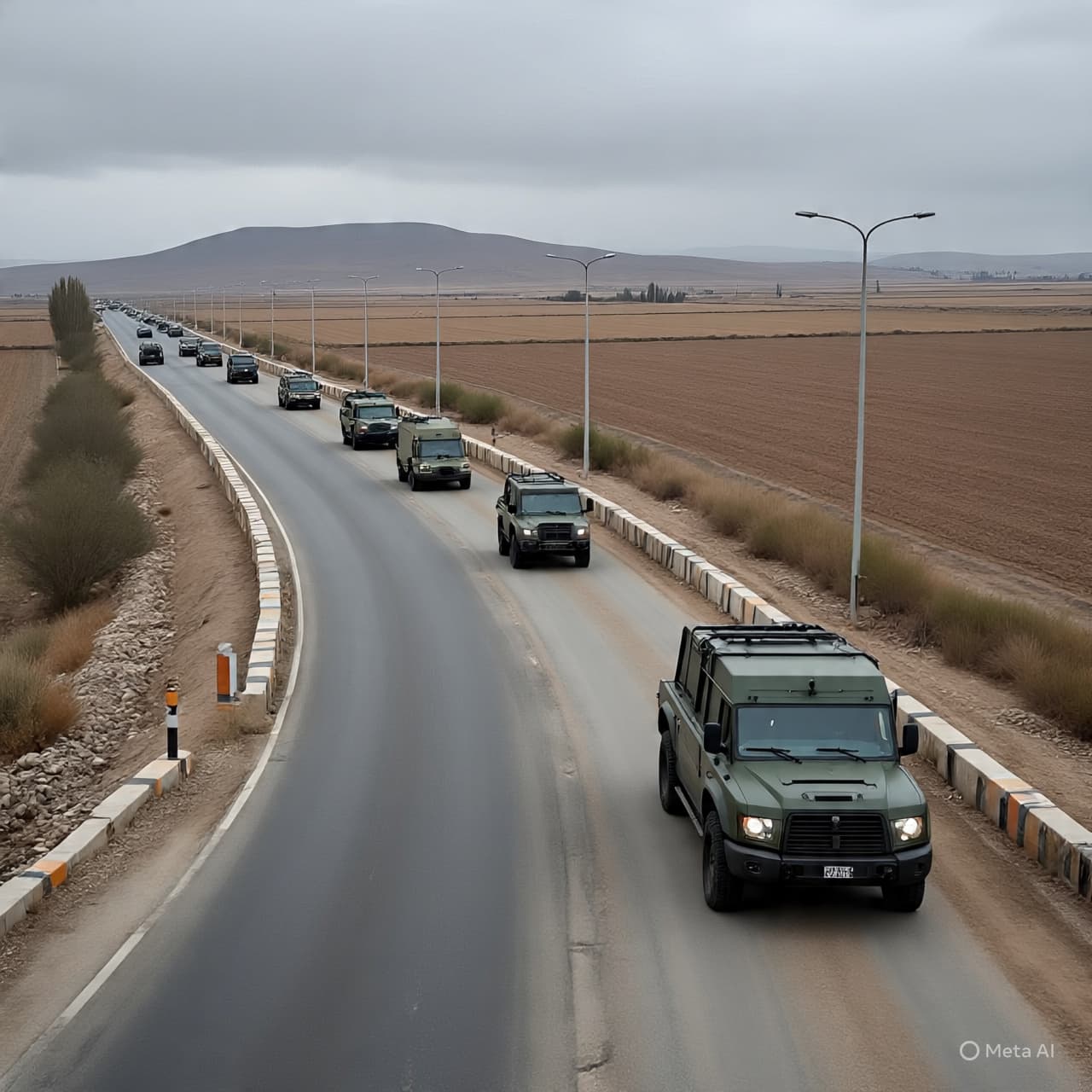
In recent months, the frequency of attacks has increased, prompting Pakistan to bolster security measures around CPEC projects. Military presence has been heightened, and security protocols for convoys transporting personnel and goods have been reinforced. Despite these efforts, the cycle of violence continues, revealing the deep-seated issues that plague the region. The militants' narrative of resistance against exploitation resonates with many locals, who feel marginalized by the benefits that accrue to the central government from Balochistan's rich resources.
Simultaneously, Pakistan is attempting to re-establish its significance in the eyes of the United States, particularly with the potential for a renewed Trump presidency. Islamabad's pitch includes promises of counterterrorism cooperation and regional stability, yet the ongoing unrest in Balochistan complicates this narrative. The province's instability serves as a stark reminder of the limits of state authority in a region marked by historical grievances and socio-economic neglect.
The intersection of China's economic ambitions and America's security interests in Balochistan creates a precarious situation for Pakistan. The government must convince both nations that it can manage the unrest effectively, ensuring that it does not disrupt global supply chains or escalate regional tensions. As Balochistan continues to be viewed as a peripheral region, its significance is increasingly recognized in the context of international relations and economic strategy.
In conclusion, the challenges facing Balochistan are emblematic of broader issues within Pakistan. The province's instability not only threatens local communities but also jeopardizes the country's international commitments. Until the underlying fractures are addressed, Pakistan's promises to its allies will remain tenuous, written on a landscape that is anything but stable.
Published by Banx Network. This article is part of the Banx decentralized media programme, powered by the BXE token on the XRP Ledger.



