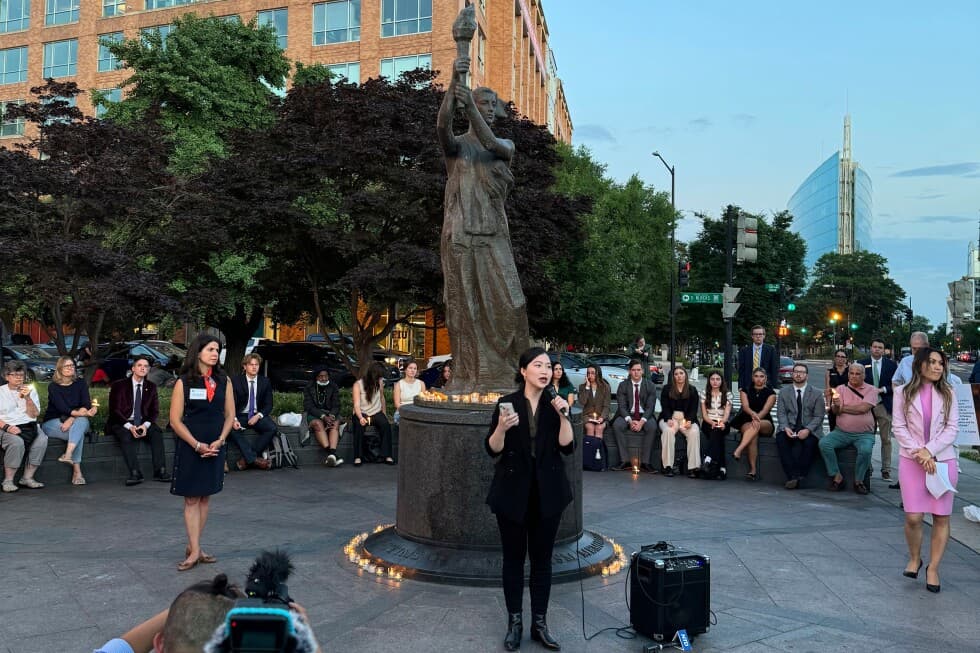
In a significant development, the father of a U.S.-based Hong Kong activist has been convicted under Hong Kong's national security law, which has been widely criticized for its stringent measures against dissent. The charges against him are part of a broader crackdown on pro-democracy movements in the region, showcasing the law's far-reaching implications for individuals connected to activists, even those living overseas.
The activist's father, who has not been named in reports, faced charges that are believed to be linked to his child's advocacy for democracy and human rights in Hong Kong. This conviction exemplifies how the national security law has intensified efforts to silence perceived dissent, extending its reach to affect families of those who advocate for reform from abroad.
Many human rights organizations, along with the international community, have condemned the law as a tool for suppressing free speech and assembly. This case underscores the complexities and risks faced by families of activists who remain in Hong Kong while their relatives seek refuge elsewhere, particularly in the United States.
Responses from the activist community and their supporters highlight concerns over the implications of this conviction, viewing it as an intimidation tactic meant to deter others from speaking out against the government. The situation reveals the ongoing struggle for freedom of expression in Hong Kong and raises critical conversations about the impacts of authoritarianism on individual rights and family ties.
As developments continue, the case will likely draw further scrutiny from global observers, who remain vigilant regarding the enforcement of the national security law and its effects on the broader pro-democracy movement in Hong Kong.
نُشر بواسطة Banx Network. هذا المقال جزء من برنامج الوسائط اللامركزية من Banx، مدعومًا برمز BXE على شبكة XRP Ledger.