
Key Highlights
- Eight fatalities confirmed due to volcanic eruption in Guatemala.
- Torrential rain mixed with volcanic ash triggered mudslides.
- Local communities face severe agricultural losses and infrastructure damage.
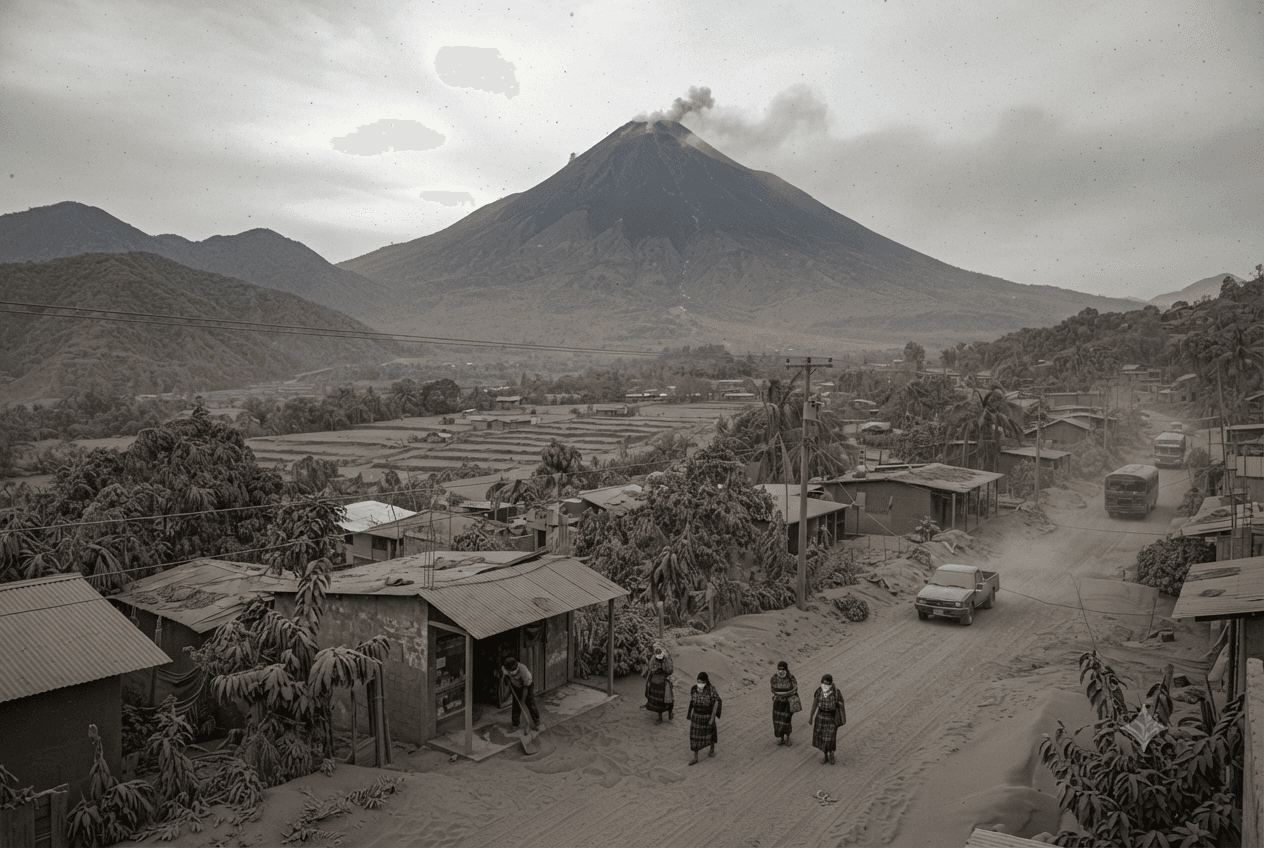
Guatemala City, Guatemala—A devastating volcanic eruption has struck rural farming communities in Guatemala, resulting in the tragic loss of eight lives. The disaster unfolded as heavy volcanic ash fall combined with torrential rain, leading to violent mudflows that swept down the mountains without warning. Farmers working in their fields were caught off guard, with many unable to escape the advancing torrents of volcanic debris. Local emergency coordinators quickly mobilized search operations across the ash-choked valleys to locate victims.
Rescue units reported that the bodies of the deceased were recovered from thick layers of grey volcanic silt and fallen branches. Medics treated several survivors for severe respiratory distress and thermal burns at field posts set up in the area. Relatives of the victims gathered near the disaster zone, anxiously awaiting news about their loved ones as search efforts continued.
The volcanic debris has severely impacted local rivers, causing overflow in natural drainage channels and ruining extensive agricultural plots, including coffee plantations that were nearing harvest. The heavy accumulation of ash has also led to the collapse of fragile tin-roofed shelters in several outlying hamlets. Transport routes remain blocked by deep mud deposits and fallen trees, complicating rescue and recovery efforts.
State officials have attributed the sudden debris flows to ongoing seismic instability in the region. Volcanologists have warned that the saturated ash deposits pose a continued risk of flooding. In response to the crisis, government ministries have promised immediate emergency food assistance to displaced farming families. Agricultural cooperatives have called for improved early warning systems to better protect remote agricultural zones from future disasters.
Survivors have sought refuge in community centers that have been converted into temporary evacuation shelters. However, supplies of drinking water are dwindling as municipal supply lines have been contaminated by ash. Public health workers are distributing protective face masks to prevent acute inhalation injuries among the affected population. Families are mourning their lost relatives while anxiously awaiting updates on missing community members.
Efforts to clear the main access roads, which are choked with thick mud, have been hampered by the severity of the situation. Heavy machinery is being deployed, but engineering units are also using manual shovels to cut through hardened volcanic deposits. Meteorological agencies have maintained high alert levels for adjacent active volcanic peaks, indicating that the situation remains precarious. Rescue coordinators have confirmed that operations will continue through the night as they strive to assist those affected by this tragic event.
This crisis has underscored the severe vulnerabilities in rural disaster preparedness frameworks. Local councils are facing mounting criticism for the lack of functional evacuation routes and adequate response plans. Geologists have begun surveying the upper slopes to assess the risks of secondary lahars, while rescue teams remain stationed along riverbanks as fresh storm clouds gather overhead, signaling that the threat may not yet be over.
Published by Banx Network. This article is part of the Banx decentralized media programme, powered by the BXE token on the XRP Ledger.



