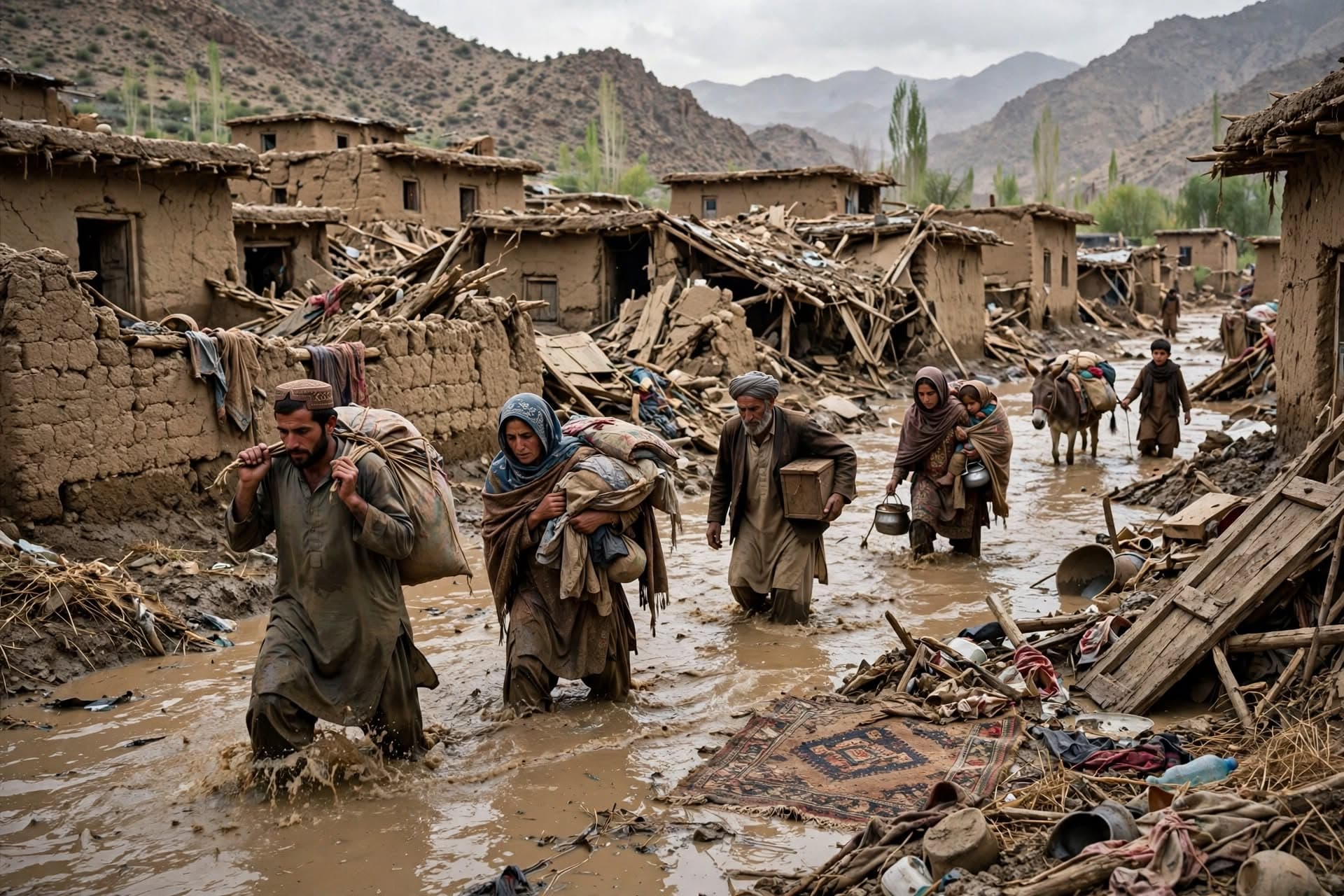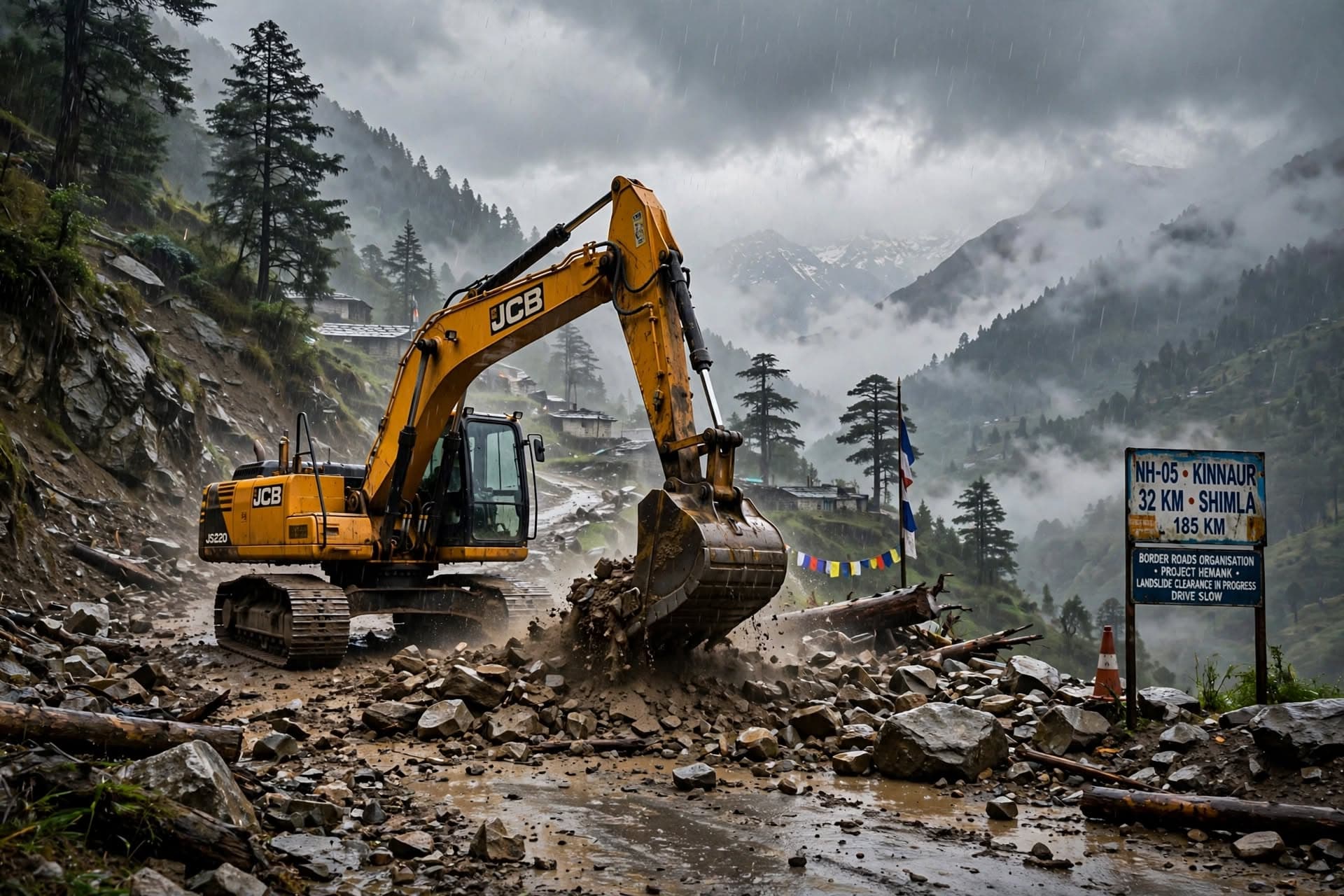
Shimla, India—Relentless torrential rainfall triggered sudden, devastating mudslides across the mountainous terrain of northern India early Sunday morning, collapsing multiple residential structures and claiming seven lives. Emergency response teams rushed to hill settlements as torrents of mud, boulders, and loose soil swept down steep inclines without warning. Local law enforcement sealed off affected mountain passes within two hours of the first major structural collapse. Heavy earthmoving machinery attempting to access remote disaster zones encountered roads totally blocked by dislodged timber and waterlogged sediment.
Contract excavation crews worked alongside state disaster personnel to dig through deep piles of earth buried over crushed timber dwellings. Soil saturation levels along vulnerable slopes reached critical limits following thirty-six hours of uninterrupted rain. The immediate impact crushed family homes while residents were still indoors, preventing rapid evacuation efforts. Heavy rain continues to saturate the earth, raising risks of secondary landslips along adjacent mountain corridors.
Regional medical centers received several critically injured survivors rescued by neighbors and local volunteers using hand tools. Local authorities confirmed seven fatalities as search teams extracted victims from beneath collapsed roofs and packed earth. Internal reports from local public works departments indicated that warnings regarding hillside soil instability along paved access routes had been submitted to district officials earlier this month. Authorities declined to comment on whether preventive evacuations had been considered before the slopes gave way.
Disaster management personnel established temporary shelters in nearby municipal buildings to house displaced villagers whose homes were destroyed or deemed structurally unsafe. Local power grids collapsed after uprooted trees snapped overhead transmission lines across three districts. Cellular communications remain spotty across high-altitude villages, severely complicating coordination between field rescue units and central administrative headquarters.
Local rescue workers used shovels and bare hands in areas where heavy excavators could not navigate narrow mountain paths. Water from swollen mountain streams flooded lower-lying roadways, turning access lanes into treacherous channels of thick slush. Medical staff in district hospitals set up specialized triage units to handle trauma cases and severe crushing injuries arriving from remote mountain hamlets.
Environmental experts pointed out that uncoordinated construction along steep embankments, combined with late-season monsoon rain, significantly weakened the natural binding strength of topsoil layers. Official oversight of land development in high-risk landslide zones had been relaxed over recent years to speed up regional transport projects. Local activist groups assembled at district administrative headquarters, demanding immediate public disclosure of soil safety evaluations conducted before road expansion works began.
Rescue teams spent the afternoon clearing secondary rockfalls using pneumatic drills and heavy rigging chains to reach isolated pockets of homes. Dense fog settled over the higher elevation passes near dusk, forcing aerial survey operations to halt temporarily due to low visibility. Ground crews remain deployed along active slip faces, monitoring shifting rock formations under continuous rainfall.
District officials remain inside emergency command hubs as meteorological teams warn of continued heavy precipitation over the next twenty-four hours. Soil stability sensors deployed across critical slopes continue to register dangerous movements across affected valleys.
Published by Banx Network. This article is part of the Banx decentralized media programme, powered by the BXE token on the XRP Ledger.