
Key Highlights
- Incident:A three-story building collapsed in Morang, Nepal, early Tuesday.
- Casualties:One fatality confirmed, two others severely injured.
- Causes:Poor construction standards and unregulated housing practices cited.
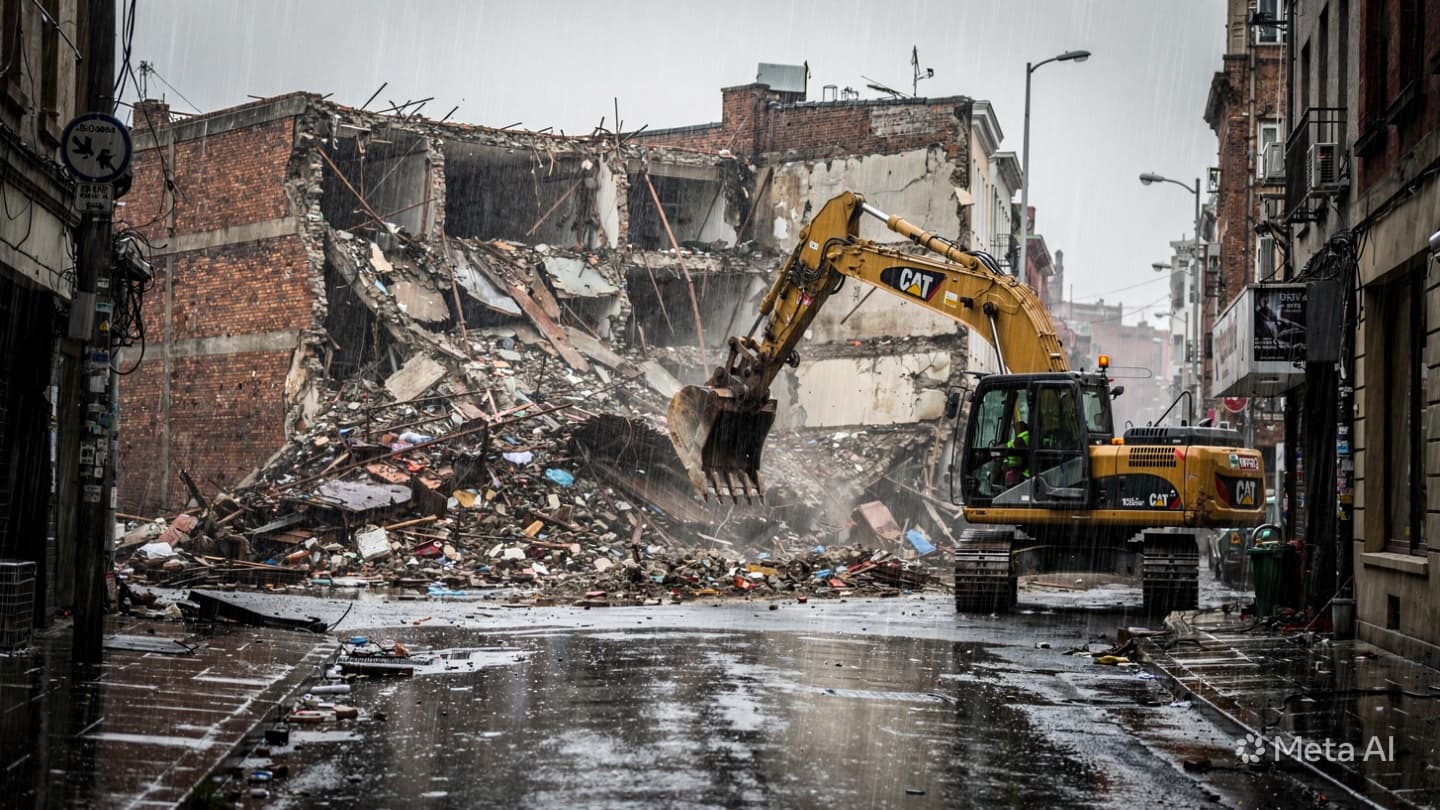
Biratnagar, Nepal—A tragic structural failure occurred early Tuesday morning when a three-story residential building in Morang collapsed, burying its occupants under tons of debris. The incident took place just after 04:00 local time in a densely populated neighborhood on the outskirts of Biratnagar. Emergency crews arrived to find the building completely flattened, with neighboring structures suffering significant damage. First responders worked tirelessly under floodlights to clear the wreckage, confirming one fatality at the scene.
The collapse followed three consecutive days of heavy rainfall, which saturated the ground and compromised the foundation of the decades-old building. Municipal records indicate that the property had never been retrofitted to comply with modern building codes. Neighbors reported hearing ominous structural groans throughout the night, culminating in a sudden, violent crash that shook the entire street.
The deceased has been identified by police as a 45-year-old tenant who was trapped on the ground floor when the upper levels collapsed. Two other residents sustained severe injuries and were rescued by local volunteers before official rescue units arrived. Paramedics provided immediate care on-site before transporting the injured to Koshi Hospital for emergency treatment.
Local engineers have long warned the municipal government about the dangers posed by unregulated housing in the area. Landlords often add unauthorized floors to aging, load-bearing brick walls to maximize rental income, while building inspectors rarely enforce demolition orders. This combination of bureaucratic inertia and political pressure from property owners has allowed these hazardous structures to remain occupied.
Rescue efforts have been hampered by the narrow alleyways leading to the site, making it difficult for heavy machinery to access the area. Workers have resorted to using sledgehammers and their bare hands to shift the debris, all while the risk of a secondary collapse looms large. The adjoining buildings are leaning precariously over the impact zone, prompting authorities to evacuate dozens of nearby households without prior notice.
In response to the incident, the mayor’s office issued a brief statement that deflected blame, asserting that the property owner had evaded mandatory safety audits for over five years. The chief district officer announced the formation of a rapid response committee to evaluate all buildings within a two-kilometer radius. However, local advocates have dismissed this move as a mere public relations exercise aimed at mitigating immediate public outrage.
Police have issued an arrest warrant for the landlord, who has reportedly gone missing since the incident. Investigators discovered that the owner had added a heavy concrete water tank to the roof just weeks prior, likely placing additional strain on the already weakened structure. Officers are actively searching known local addresses and monitoring transit hubs for the suspect.
Displaced families now gather on the flooded street corner, guarding whatever belongings they managed to salvage. As rain continues to fall, turning the rubble into a thick sludge of mud and plaster, municipal engineers are delaying decisions on whether to demolish the leaning adjacent structures. Heavy machinery remains idle at the end of the block as crews deliberate on how to proceed without risking another collapse.
Published by Banx Network. This article is part of the Banx decentralized media programme, powered by the BXE token on the XRP Ledger.



