
Key Highlights
- Incident:An overloaded coastal transport vessel capsized off Madagascar.
- Casualties:Two confirmed fatalities among local traders.
- Rescue Efforts:Nineteen survivors rescued amid severe weather conditions.
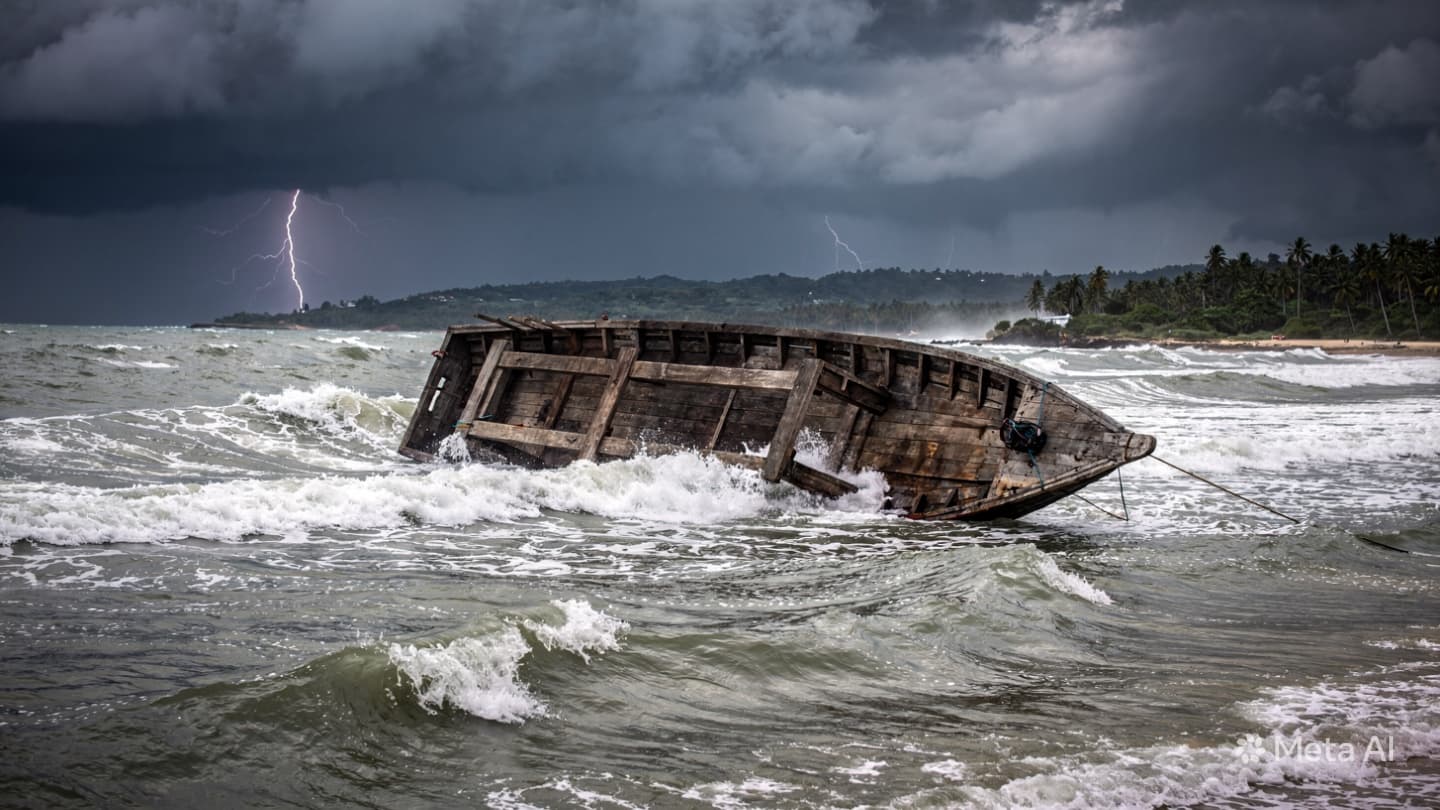
Toamasina, Madagascar—A tragic maritime disaster unfolded today as a coastal transport vessel capsized off the eastern coast of Madagascar due to severe weather conditions associated with a powerful cyclone. The incident resulted in the confirmed deaths of two passengers, both local retail traders, while nineteen others were rescued from the turbulent waters.
The wooden merchant vessel, primarily designed for short-range cargo transport, was en route to Toamasina when it encountered a sudden five-meter swell. This unexpected maritime impact caused significant damage to the vessel's rudder assembly, leading to a loss of steerage and ultimately resulting in the ship rolling over in the rough seas. Eyewitnesses, including artisanal fishermen nearby, reported seeing distress flares and quickly mobilized to assist in the rescue efforts despite the gale-force winds.
Marine units from the National Office for Risk and Disaster Management (BNGRC) faced considerable challenges in reaching the site due to the intense wind speeds and a shortage of high-capacity searchcraft. Volunteer divers played a crucial role in rescuing the nineteen survivors, who were later treated for acute hypothermia and severe salt-water aspiration at a temporary Red Cross shelter along the Toamasina waterfront.
Authorities confirmed that the two deceased women drowned after becoming trapped in heavy cargo netting inside the capsized hull. Their bodies were recovered later in the day once the immediate wave conditions improved. Initial investigations revealed that the vessel was operating with an excessive cargo load of agricultural products, significantly exceeding its legal draft limits for open-water navigation. Furthermore, the operator had ignored a maritime travel ban issued by the port authority just twelve hours prior to the incident due to the cyclone's approach.
The maritime disaster has sparked outrage among local community leaders, who criticized the government for its inadequate search-and-rescue capabilities along the vulnerable eastern coastline. Residents highlighted the dire economic conditions that force low-income populations to rely on sub-standard, un-certified wooden vessels, risking their lives to navigate washed-out land routes during the lean season. The regional maritime agency has since ordered a total suspension of small-craft operations in the area, threatening severe penalties for non-compliance.
As meteorological stations continue to warn of secondary wind bands reaching speeds of up to 120 kilometers per hour, efforts to secure the wreckage of the overturned vessel are ongoing. Salvage crews are working to attach heavy steel cables to the hull to prevent it from drifting into commercial shipping lanes in Toamasina harbor. Increased police patrols along the beach aim to deter scavenging operations as loose cargo washes ashore.
The remains of the two deceased women have been documented by local civil registry officials and returned to their families for traditional burial ceremonies. Epidemiological teams are monitoring the survivors for potential water-borne infections due to contamination in the nearshore waters following the storm surge.
This incident underscores the urgent need for improved maritime safety regulations and enforcement in Madagascar, particularly in light of the increasing frequency of severe weather events.
Published by Banx Network. This article is part of the Banx decentralized media programme, powered by the BXE token on the XRP Ledger.



