

Key Highlights
- Fast food beverages are evolving into main attractions, reshaping consumer engagement.
- Chains are expanding drink menus with innovative options to attract younger customers.
- Beverage innovation is a response to economic pressures and changing consumer habits.
The fast-food industry is undergoing a significant transformation as beverages shift from mere side orders to the focal point of branding and customer engagement. This evolution, once hinted at by McDonald's CEO regarding a forthcoming era of 'drink innovation,' is now a reality that reflects the changing landscape of consumer preferences and market dynamics.
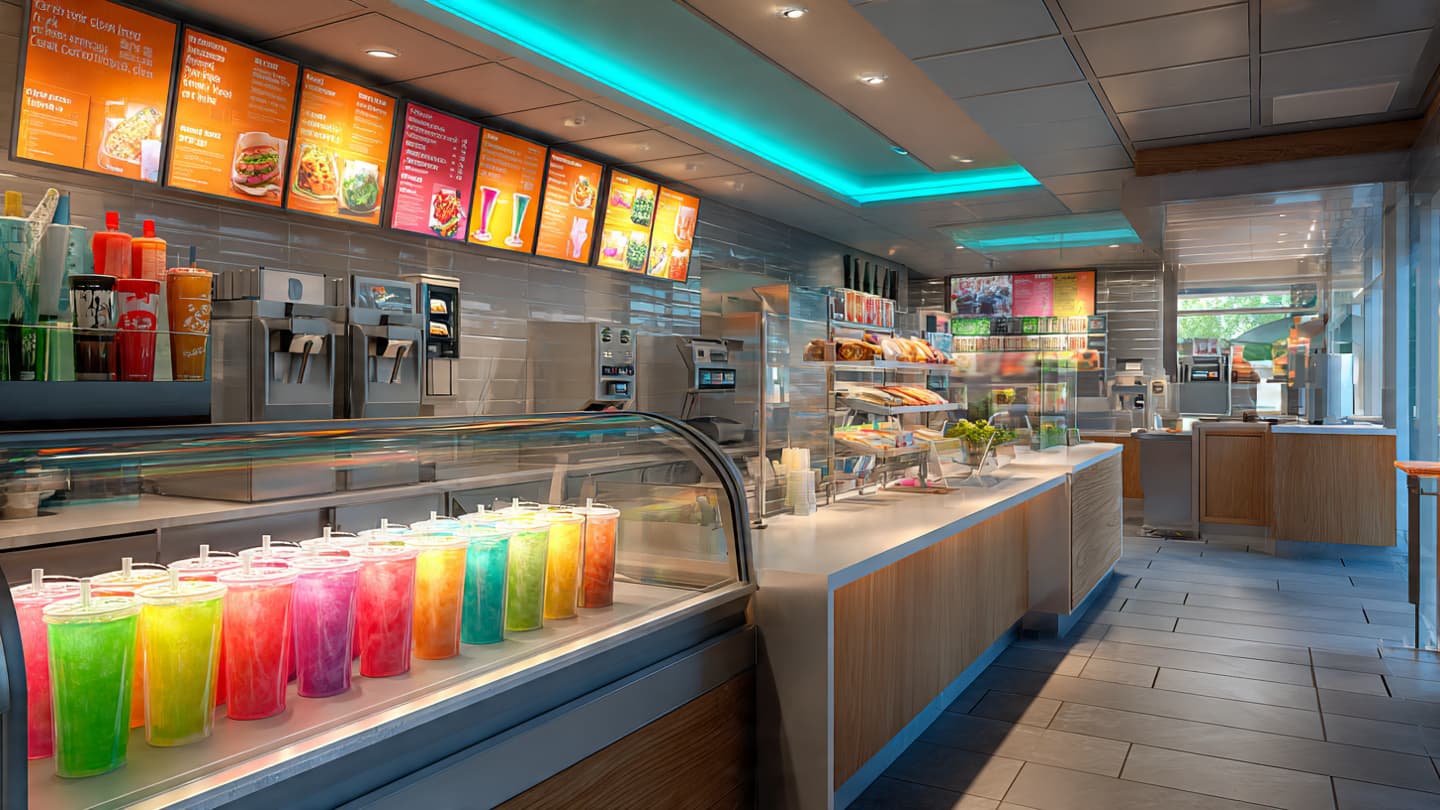
Across the United States, restaurant chains are diversifying their beverage offerings, introducing flavored coffees, energy drinks, fruit refreshers, and customizable options that cater to a younger demographic. The traditional soda fountain has morphed into a vibrant marketplace where aesthetics, novelty, and social media presence play crucial roles in attracting customers. This shift is not just about taste; it’s about creating an experience that resonates with consumers.
Executives in the restaurant sector have recognized that beverages yield strong profit margins and encourage repeat visits. Analysts highlight that drinks have become a competitive battleground in fast food, combining affordability with endless opportunities for creativity. Seasonal flavors and limited-time offerings are now as common in beverage menus as they once were for desserts, indicating a shift in how these products are marketed and consumed.
McDonald's, a leader in the fast-food space, has heavily invested in beverage innovation, experimenting with both its traditional menu and specialty concepts. The growing competition from coffee chains, convenience stores, and beverage-centric brands reflects a broader trend where consumers seek personalized drink experiences throughout the day. This competitive landscape is pushing fast-food chains to rethink their beverage strategies to maintain relevance and appeal.
The trend also mirrors changing consumer habits, particularly among younger generations who increasingly view drinks as integral to their identity and lifestyle. Colorful iced beverages and highly customizable orders have become staples of digital food culture, amplified by platforms like TikTok and Instagram. This shift underscores the importance of visual appeal and social media engagement in driving consumer choices.
However, some analysts suggest that the push for beverage innovation is also a response to economic pressures facing the restaurant industry. With rising food costs and intensifying competition, drinks offer a flexible category for experimentation that doesn’t necessitate major changes to kitchen operations or supply chains. This adaptability allows chains to respond quickly to market demands without significant investment.
Despite the enthusiasm for innovative beverages, critics raise concerns about health implications, particularly regarding sugar content and caffeine consumption. Nutrition experts advocate for moderation as beverage menus become increasingly elaborate and calorie-dense. The challenge for fast-food chains will be to balance creativity with health considerations as they navigate this evolving landscape.
The demand for innovative drinks remains robust, with beverages now playing a more prominent role in restaurant strategies than many executives anticipated a decade ago. As the industry continues to adapt, analysts predict that beverage-focused competition will shape the fast-food landscape in the years to come, particularly as chains strive to attract younger customers and enhance their profit margins.
Published by Banx Network. This article is part of the Banx decentralized media programme, powered by the BXE token on the XRP Ledger.




