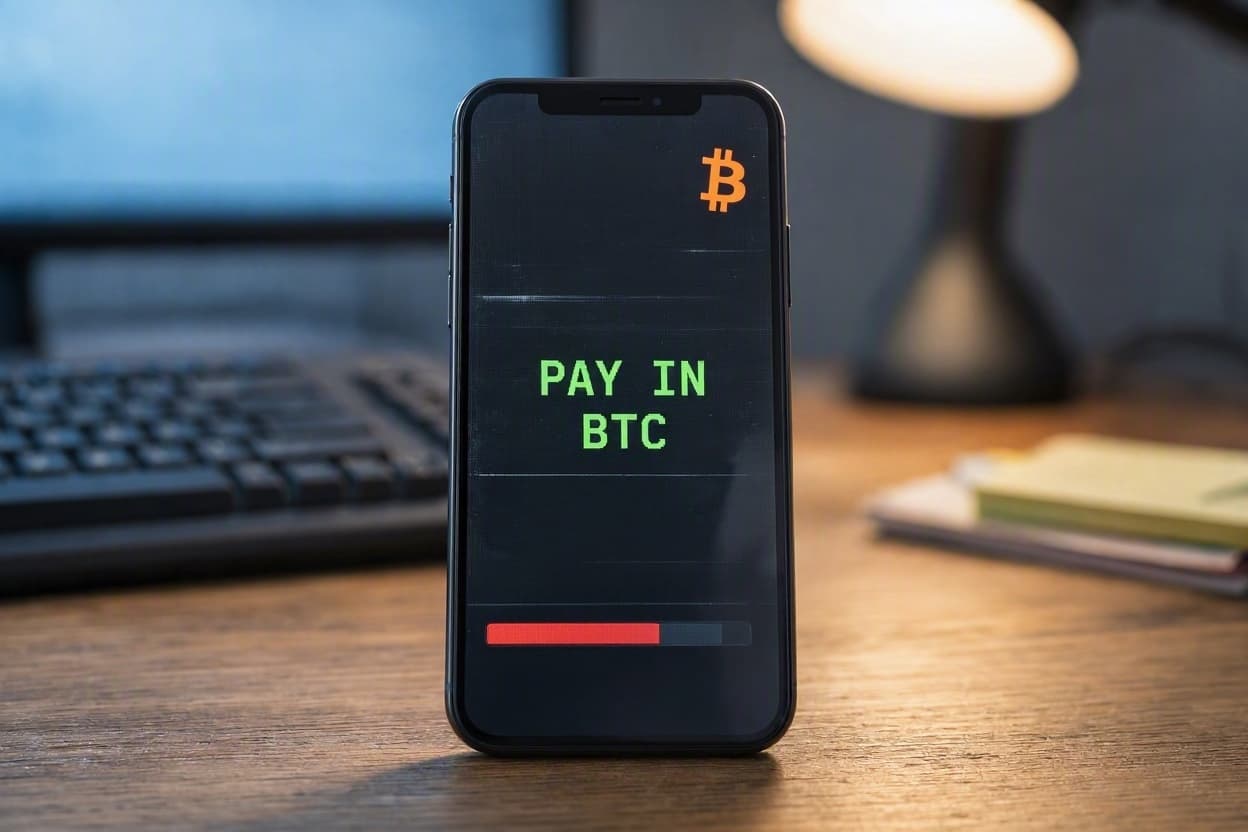
In the glittering landscape of Las Vegas, where dreams and dangers often intertwine, a family’s nightmare has taken a digital turn. Alisa Goods, a 63-year-old woman from New York, vanished while visiting the city in early August. Days after her disappearance, her family began receiving unsettling text messages from her phone, demanding payment in Bitcoin. This bizarre development has added a layer of technological mystery to an already heartbreaking search.
The messages, which appeared to come from Goods’ own device, requested cryptocurrency transfers, hinting at a kidnapping or ransom scenario. However, investigators are cautious, noting that such texts could be the work of scammers exploiting the situation or even automated bots. The use of Bitcoin, with its anonymity and irreversibility, makes it a preferred tool for criminals, complicating efforts to trace the source.
For Goods’ daughters, the messages are a source of both hope and terror. Hope that their mother is still alive, and terror that she may be in the hands of dangerous individuals. They have shared the details with law enforcement, hoping that digital forensics can provide clues to her whereabouts. The emotional toll is immense, as they navigate the uncertainty of each new notification.
Las Vegas police have launched a thorough investigation, reviewing surveillance footage and interviewing witnesses. The city’s vast network of cameras offers some promise, but the sheer volume of data and the transient nature of the population make the search challenging. Authorities are working closely with federal agencies to track the digital footprint of the Bitcoin demands.
Cybersecurity experts warn that ransom scams are increasingly sophisticated. They often mimic legitimate emergencies to prey on vulnerable families. In Goods’ case, the timing coincides with her disappearance, making the threat feel real. However, experts advise caution, noting that paying ransoms rarely guarantees safety and can fuel further criminal activity.
The community has rallied around the family, offering support and sharing information on social media. Vigils have been held, and volunteers have joined the search efforts. This outpouring of compassion highlights the human connection that persists even in a city known for its impersonal glamour. It serves as a reminder that behind every headline is a person loved by many.
As the investigation continues, the focus remains on finding Alisa Goods. Whether the Bitcoin demands are a genuine ransom plot or a cruel hoax, they underscore the evolving nature of crime in the digital age. Technology can be a tool for connection, but also for exploitation.
For now, the family waits for answers, holding onto the hope that Alisa will be found safe. The case serves as a cautionary tale about the vulnerabilities of modern life, where physical safety and digital security are increasingly intertwined. In the end, the search for truth continues, driven by love and the relentless pursuit of justice.
AI Image Disclaimer: Images accompanying this report are AI-generated artistic interpretations of digital communication symbols and Las Vegas landscapes, intended to visualize the context of the mystery without depicting real individuals or private messages.
Sources: CBS News, 8 News Now, Yahoo News, Facebook Community Posts
Published by Banx Network. This article is part of the Banx decentralized media programme, powered by the BXE token on the XRP Ledger.