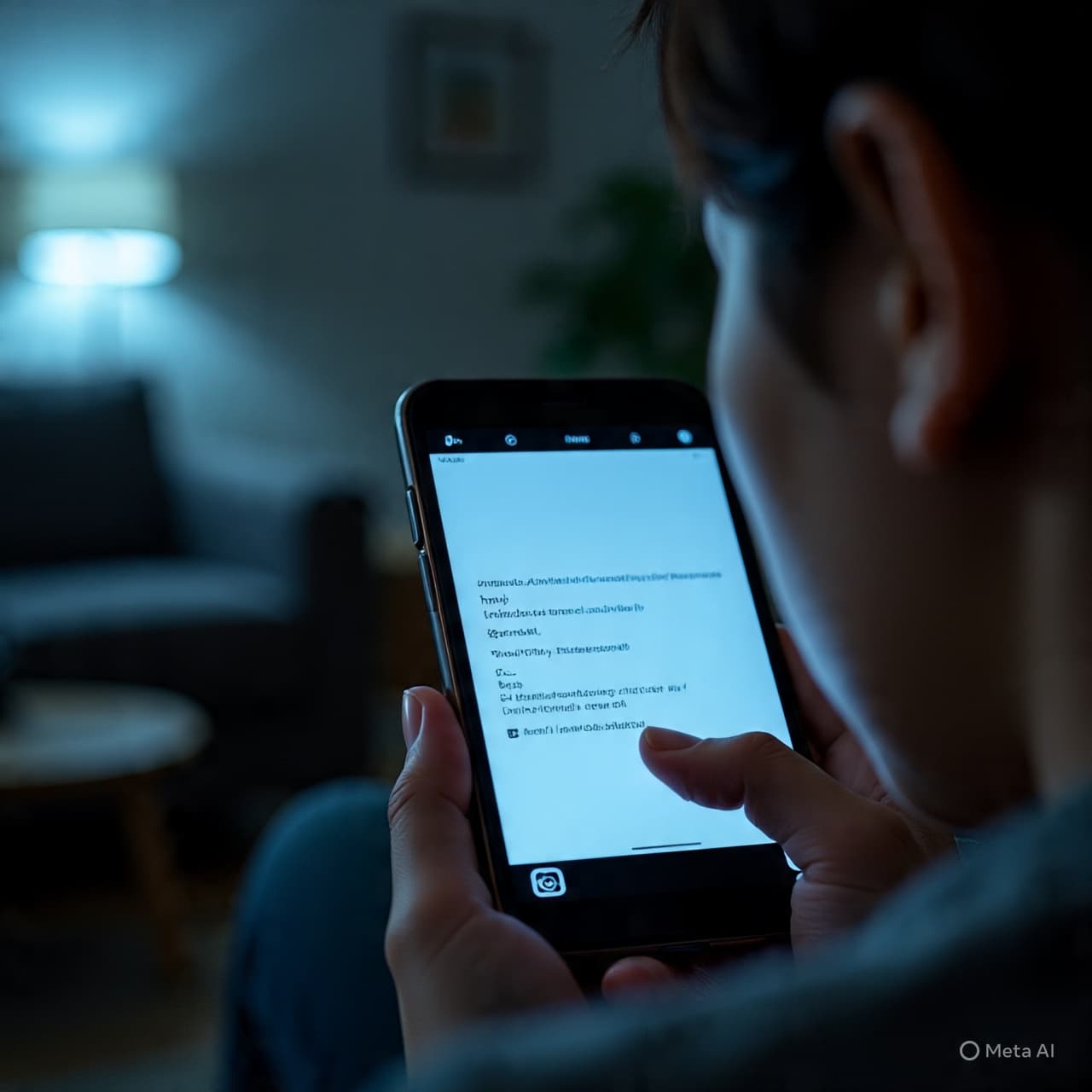
Late at night, in quiet rooms across the world, conversations are unfolding that feel personal, attentive, and deeply responsive. For many users, AI companions have become more than tools or entertainment. They have become confidants, emotional supports, and, increasingly, romantic partners.
According to reporting by the BBC and other outlets, millions of people are forming emotional and sometimes romantic attachments to chatbots and virtual AI companions. Designed to simulate empathy, memory, and personalized interaction, these systems can offer a sense of presence that feels constant and nonjudgmental—qualities some users say are difficult to find elsewhere.
The appeal is rooted in how these systems are built. AI companions are designed to respond quickly, remember preferences, and mirror emotional tone. Over time, conversations can feel familiar and intimate, reinforcing a sense of connection. For users experiencing loneliness, social anxiety, or isolation, the interaction can provide comfort and routine.
But experts emphasize a critical distinction: the emotional experience exists only on one side.
Artificial intelligence does not feel, understand, or reciprocate emotions. Its responses are generated through statistical patterns learned from large datasets, not through awareness, empathy, or intention. While the interaction may feel authentic to a human user, the system itself is only predicting language that matches emotional expectations.
Psychologists and technology researchers say this mismatch carries both potential benefits and risks. On one hand, AI companions can reduce feelings of loneliness and provide a space for users to express thoughts and emotions. On the other, strong attachment to systems that cannot truly respond may deepen social withdrawal or blur the boundary between simulated and mutual relationships.
The phenomenon reflects a broader shift in how technology is shaping emotional life. As conversational AI becomes more natural and widely available through smartphones and apps, the line between functional assistance and personal interaction continues to soften.
Technology companies developing these products often frame them as wellness or companionship tools rather than substitutes for human relationships. Some platforms include safeguards, such as reminders that users are interacting with artificial systems, or limits on certain types of emotional or romantic roleplay.
Regulators and policymakers are beginning to take notice. Questions about emotional dependency, user vulnerability, and the ethical design of highly personalized AI systems are emerging alongside broader debates about digital well-being.
For many users, however, the experience feels simple rather than theoretical. The conversation is always available. The responses are attentive. The interaction feels safe.
Yet experts return to the same conclusion: while AI can simulate care, it cannot share it.
As conversational technology grows more sophisticated, the emotional realism of these systems will likely deepen. The challenge ahead is not only technical, but human—understanding how relationships with machines reshape expectations of connection in a world where the most responsive partner may not be capable of feeling at all.
Published by Banx Network. This article is part of the Banx decentralized media programme, powered by the BXE token on the XRP Ledger.