
Key Highlights
- Fairlife, a Coca-Cola brand, has paused U.S. milk production due to a ransomware attack.
- The company confirmed that product quality and safety were not compromised.
- Production in Canada continues unaffected by the incident.
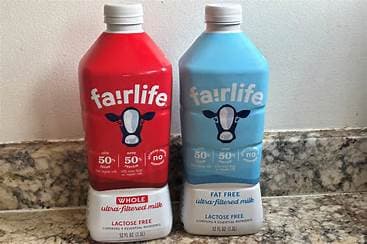
Fairlife, the dairy division of Coca-Cola, has announced a temporary halt to its milk production in the United States following a ransomware cyberattack that compromised parts of its operational systems. The company detected unauthorized access by a third party, prompting immediate action to secure its systems and investigate the breach.
In a statement, Coca-Cola emphasized that despite the cyber intrusion, the quality and safety of Fairlife products remain intact. The company has activated its incident response protocols and is collaborating with cybersecurity experts to assess the full extent of the breach and restore normal operations. Law enforcement has also been notified as part of the company's response strategy.
The ransomware attack highlights the increasing vulnerability of food production systems to cyber threats. As companies increasingly rely on digital technologies for operations, the risk of cyberattacks has escalated, prompting many to bolster their cybersecurity measures. Fairlife's proactive response aims to mitigate potential risks and ensure that its products continue to meet safety standards.
While production in the U.S. is paused, operations in Canada are continuing without interruption. This distinction is crucial for Fairlife, as it seeks to maintain supply chains and customer trust during this challenging period. The company has reassured consumers that it is taking all necessary steps to address the situation and prevent future incidents.
As the investigation unfolds, Fairlife is expected to provide updates on the status of its production and any further measures being implemented to enhance cybersecurity. The incident serves as a reminder of the importance of robust cybersecurity protocols in protecting not only corporate interests but also consumer safety in the food industry.
The broader implications of this attack may resonate across the industry, prompting other food and beverage companies to reevaluate their cybersecurity strategies. As digital threats continue to evolve, the need for vigilance and preparedness becomes paramount in safeguarding both operations and consumer trust.
Published by Banx Network. This article is part of the Banx decentralized media programme, powered by the BXE token on the XRP Ledger.



