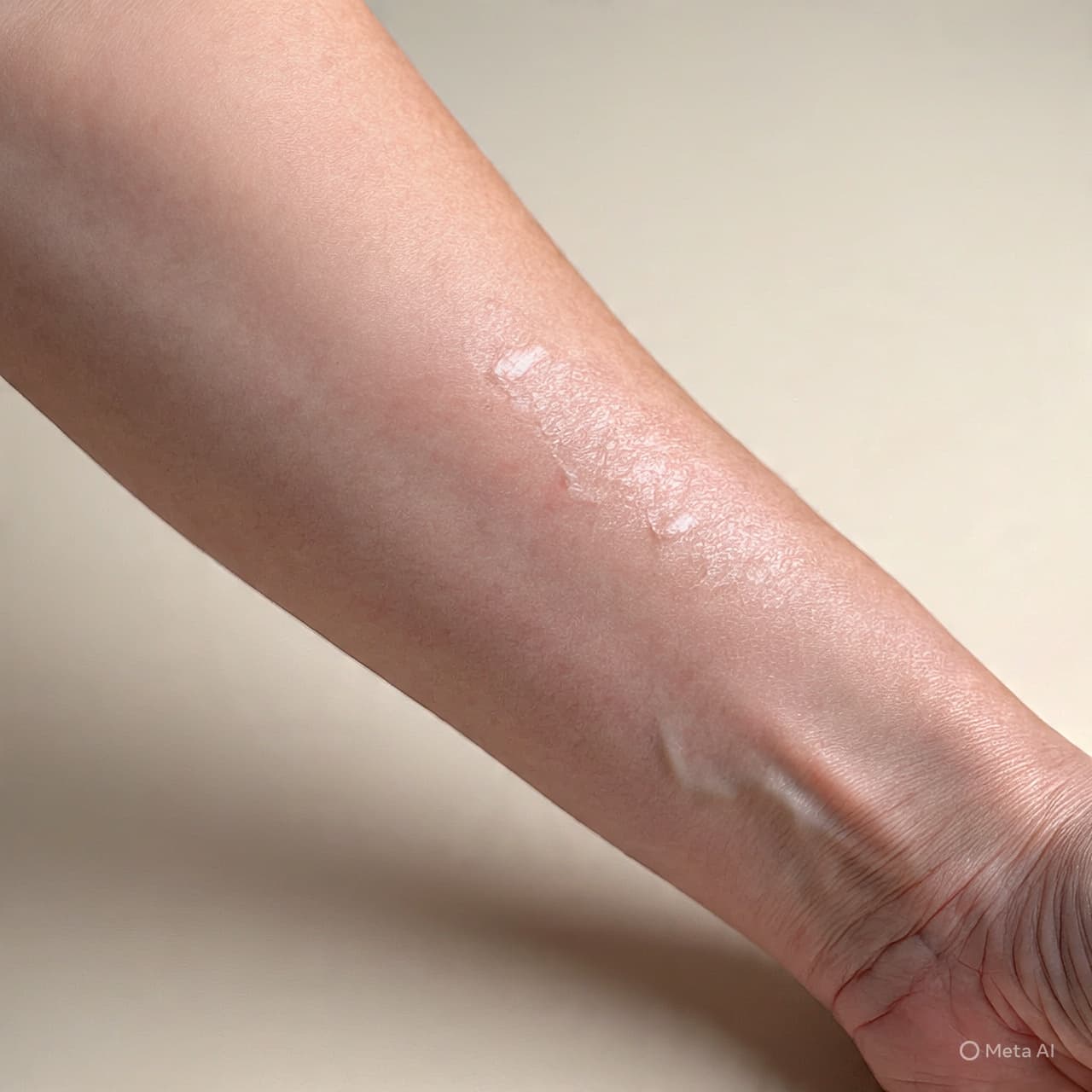
In the quiet language of our bodies, the sudden bloom of a bruise can feel like an unexpected brushstroke on an otherwise ordinary day. It starts softly a lavender whisper beneath the skin and lingers, like a memory pressed into tissue. When these marks appear with unusual ease, they invite a gentle curiosity: what deeper rhythm of health might be reflected here?
At the heart of the connection between nutrient intake and bruising is the tapestry of proteins and clotting factors that maintain the strength of blood vessels and support the body’s response to minor injury. Among these, vitamin C stands as a crucial artisan, shaping collagen the fibrous scaffold that reinforces capillary walls and skin integrity. Without adequate vitamin C, these tiny vessels may yield more readily to everyday pressures, allowing blood to seep into surrounding tissue and leave behind the familiar bluish hues of a bruise. Signs of deficiency may stretch beyond bruising to include symptoms such as slow wound healing and bleeding gums, though these may vary among individuals.
In a complementary role, vitamin K contributes to the orchestration of blood clotting. It is part of a complex cascade that ensures bleeding after minor injury is swiftly checked and resolved. When levels of vitamin K are lower than optimal whether from limited dietary intake or absorption challenges the clotting process may soften, and bruises can appear larger or last longer.
It is also important to acknowledge that easy bruising does not arise from vitamin inadequacies alone. The body’s resilience is sculpted by many rhythms: age-related changes in skin thickness, medications that influence clotting, and even conditions affecting red blood cells or platelet function can shape how easily bruises develop. The Mayo Clinic reminds us that in some circumstances, frequent or unexplained bruising may signal concerns deserving professional evaluation.
Understanding these delicate signals requires both care and perspective. Rather than hasty conclusions, noticing patterns where bruises appear, how long they persist, and whether they accompany other symptoms can support thoughtful choices about nutrition, lifestyle, and when to reach out for medical guidance. A simple step, such as enriching meals with fruit and leafy greens or discussing a blood test with a healthcare provider, may illuminate paths toward greater balance.
In this way, the gentle bloom of a bruise becomes more than a mark of contact; it becomes a hint of the intricate interplay between nourishment and well-being, inviting us to listen and respond with kindness to the subtle wisdom of our own bodies.
AI Image Disclaimer
Visuals are created with AI tools and are not real photographs.
Sources found:
1. Livestrong 2. MedicalDaily 3. Mayo Clinic 4. Welly.it 5. Vogue / Yahoo News UK
Published by Banx Network. This article is part of the Banx decentralized media programme, powered by the BXE token on the XRP Ledger.