

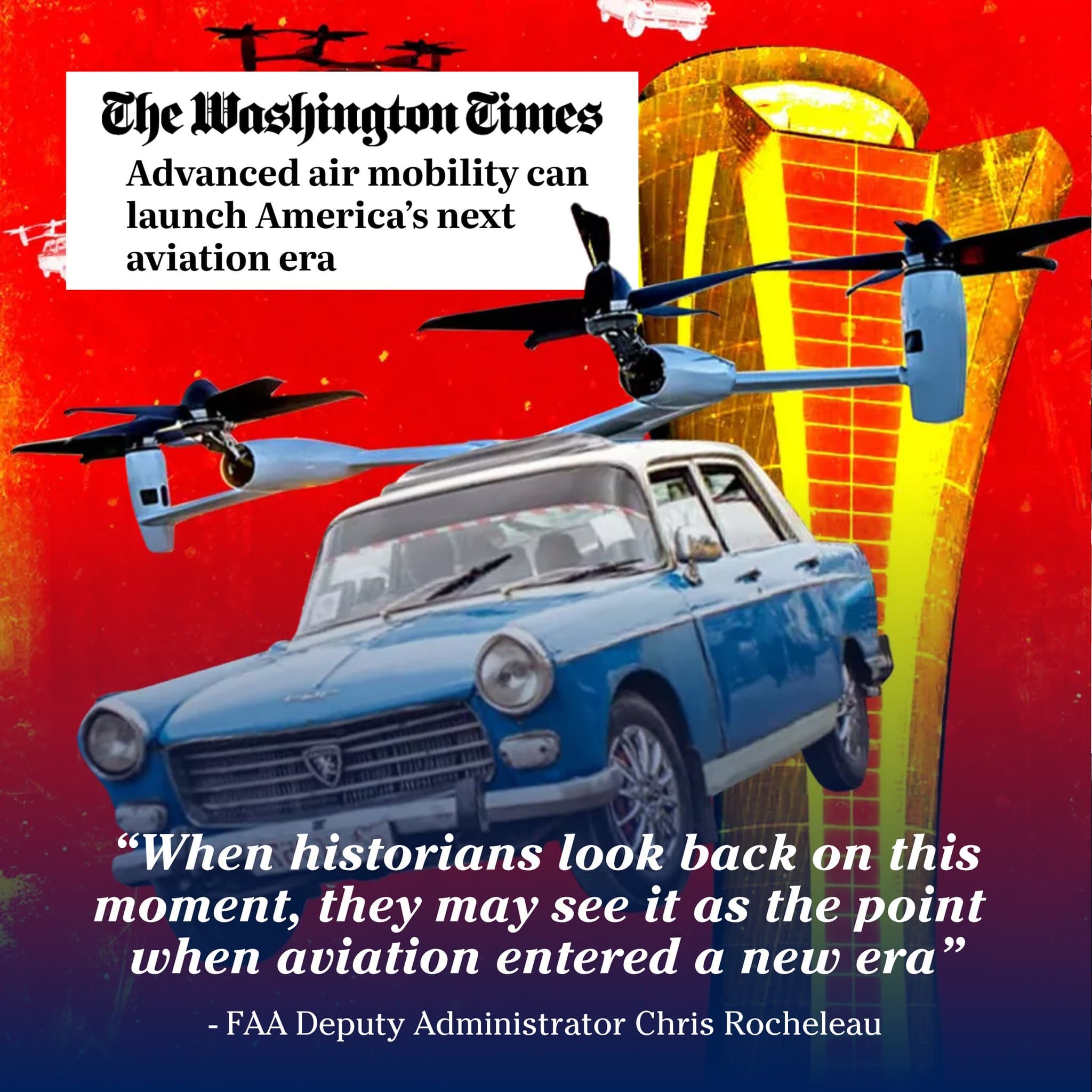
Key Highlights
- FAA Initiative:The Federal Aviation Administration is pushing forward with plans to integrate air taxis and cargo drones into the national airspace.
- Economic Impact:These technologies are expected to create new economic opportunities and improve logistics efficiency.
- Safety Standards:Regulators are collaborating with industry stakeholders to establish necessary safety standards for deployment.
The United States aviation sector is on the brink of a significant transformation as the Federal Aviation Administration (FAA) accelerates efforts to integrate advanced air mobility technologies into the national airspace. This initiative focuses on the development of electric air taxis and autonomous cargo drones, which are poised to revolutionize transportation in both urban and rural communities.
According to FAA officials, the integration of these technologies could lead to substantial reductions in travel times and enhanced logistics efficiency. Air taxis are envisioned to provide short-distance passenger transportation, while cargo drones may streamline package delivery and improve emergency response operations. The potential for these innovations to create new economic opportunities is considerable, as they could reshape how goods and people move across the country.
Industry stakeholders view this initiative as a pivotal moment for aviation, reminiscent of earlier breakthroughs that transformed commercial air travel. The FAA is working closely with manufacturers, technology developers, and local governments to establish safety standards and operational frameworks necessary for the widespread deployment of these technologies. This collaborative approach aims to ensure that the integration of air taxis and cargo drones is both safe and efficient.
Despite the promising outlook, several challenges remain. Certification requirements for new aircraft types, infrastructure development to support these technologies, and public acceptance are all critical factors that need to be addressed. The FAA leadership acknowledges these hurdles but remains optimistic about the momentum building in the sector.
As the United States enters this new chapter in aviation innovation, the FAA is committed to fostering an environment that encourages technological advancement while prioritizing safety. The agency believes that the successful integration of air taxis and cargo drones could redefine transportation over the coming decades, making it more efficient and accessible for all.
In conclusion, the FAA's push for air taxis and cargo drones represents a significant step forward in the evolution of aviation. As these technologies continue to develop, they hold the promise of transforming how we travel and receive goods, ultimately enhancing the quality of life for many Americans.
Published by Banx Network. This article is part of the Banx decentralized media programme, powered by the BXE token on the XRP Ledger.




