As the calendar turns toward mid-August 2026, anticipation builds across the Northern Hemisphere for one of nature’s most spectacular displays: a total solar eclipse. In just one week, the Moon will slide directly between the Earth and the Sun, casting a shadow that will plunge parts of the Arctic, Greenland, Iceland, and Spain into temporary darkness. For millions of observers, this event is not just an astronomical phenomenon but a moment of collective wonder, a reminder of the precise celestial mechanics that govern our sky.
The path of totality for this eclipse is unique, traversing high-latitude regions that are rarely treated to such a view. Unlike eclipses that cross populated continental masses, this one offers a stark, icy backdrop. Observers in Reykjavik, Iceland, and northern Spain will experience the full effect, while those in surrounding areas will witness a partial eclipse. The contrast between the bright summer sun and the sudden twilight creates a surreal atmosphere, often described by witnesses as both eerie and beautiful.
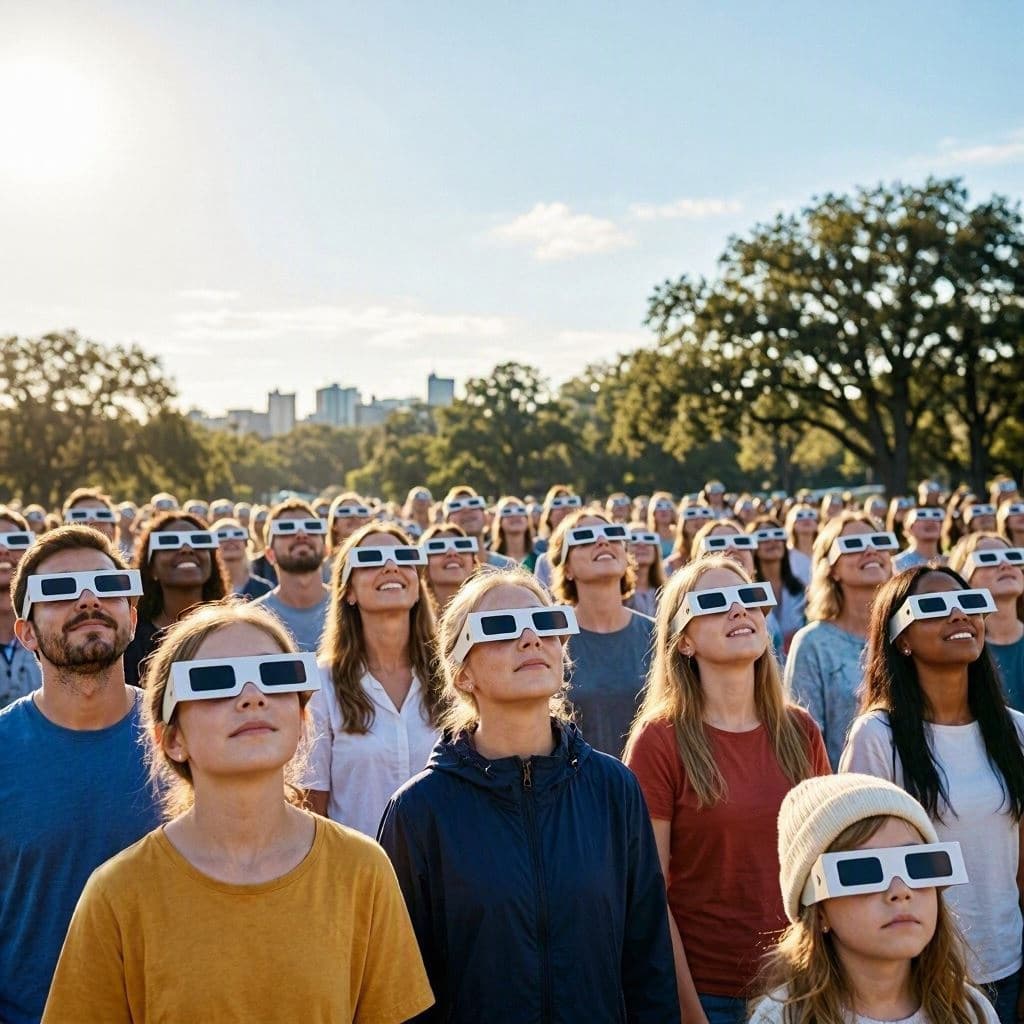
Preparations are underway in host communities, with tourism boards and local governments organizing viewing events and safety campaigns. Proper eye protection is essential, as looking directly at the Sun without filtered glasses can cause permanent damage. Authorities have distributed millions of solar viewers and set up public telescopes with safe filters to ensure that everyone can enjoy the spectacle without risk. Education is key to making the event accessible and safe for all ages.
For scientists, the eclipse provides a valuable opportunity to study the Sun’s corona, the outer atmosphere that is usually obscured by the bright solar disk. During totality, the corona becomes visible, allowing researchers to observe its structure, temperature, and magnetic fields in detail. Data collected during these brief minutes can help improve models of solar activity and space weather, benefiting technology and communication systems on Earth.
Social media and news outlets are preparing live coverage, streaming the event from multiple vantage points. For those unable to travel to the path of totality, these broadcasts offer a way to participate in the global experience. The shared excitement transcends borders, uniting people in a common appreciation for the cosmos. It is a moment when science and culture intersect, fostering a sense of global community.
Weather remains the wildcard, as cloud cover can obscure the view. Meteorologists are monitoring forecasts closely, providing updates to help observers choose the best locations. Despite the uncertainty, the enthusiasm remains undimmed. The promise of seeing the Sun’s corona with the naked eye is a powerful draw, worth the effort and planning.
With one week to go, the countdown to the August 12 total solar eclipse is on. Whether viewed from the icy shores of Iceland or through a live stream, the event promises to be a memorable celebration of astronomy. As we prepare to witness the sky darken, we are reminded of our place in the vast universe.
AI Image Disclaimer: Visuals associated with this article are AI-generated to illustrate the themes of astronomy and public engagement.
Sources: Time and Date NASA Eclipse Website The Guardian
Published by Banx Network. This article is part of the Banx decentralized media programme, powered by the BXE token on the XRP Ledger.