
Key Highlights
- Enhanced Tracking:Global maritime authorities have improved vessel tracking systems.
- Safety Improvements:New technologies aim to reduce risks in busy shipping lanes.
- Economic Backbone:Maritime trade remains crucial for the global economy despite uncertainties.
[Enhanced Tracking Systems]
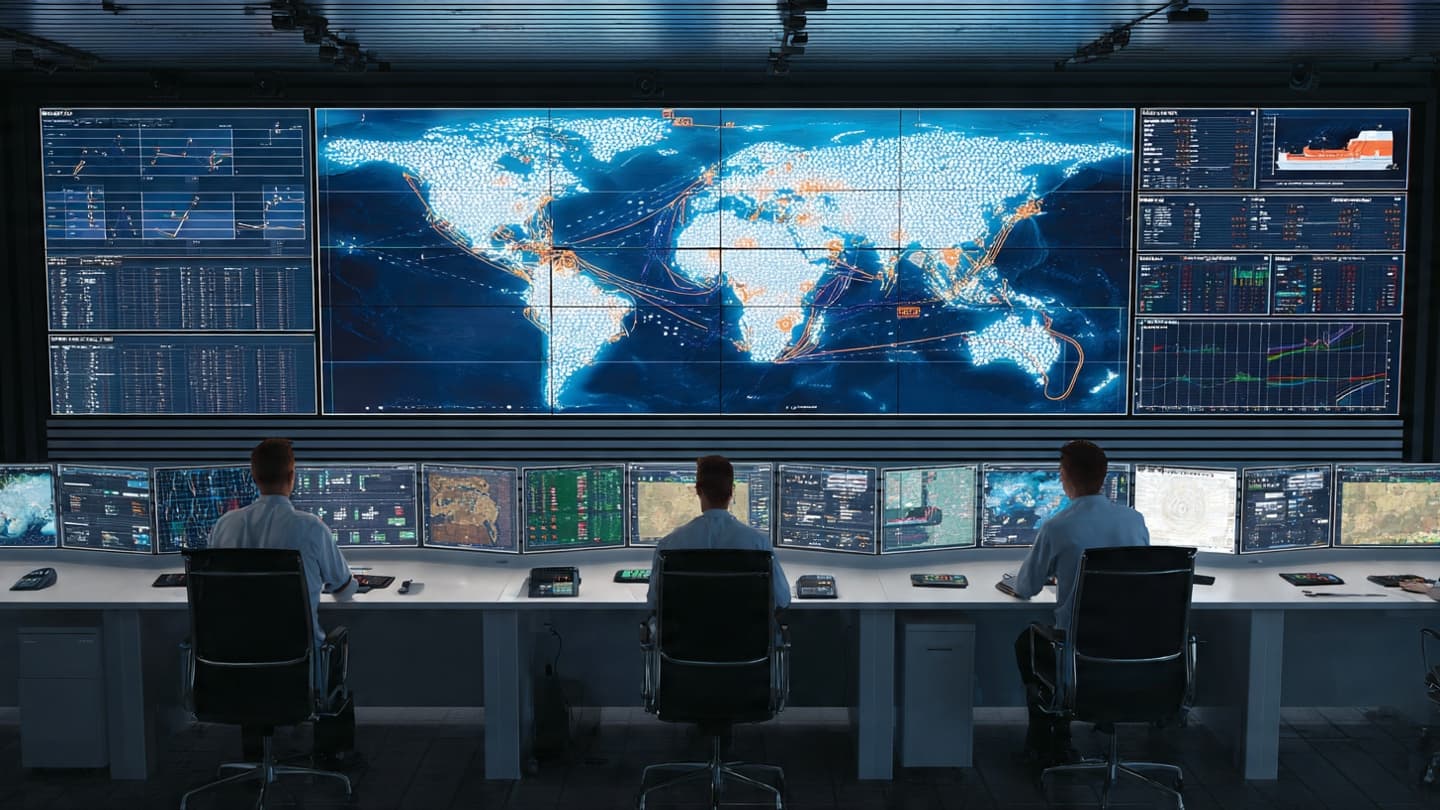
Maritime trade is a cornerstone of the global economy, relying not only on ships and ports but also on sophisticated systems that monitor their movements across vast oceans. In recent months, global maritime authorities have significantly expanded their surveillance and tracking capabilities across key shipping routes, enhancing safety and operational efficiency.
These advancements include satellite monitoring, real-time vessel tracking, and coordinated reporting networks. Such systems are designed to improve safety and reduce risks in busy sea corridors, which are often fraught with challenges. Experts in the field assert that enhanced monitoring helps alleviate uncertainty for shipping companies and insurers, particularly during periods of geopolitical tension that can disrupt trade flows.
[Impact on Logistics Firms]
Logistics firms are increasingly integrating these advanced tracking systems into their operations. By doing so, they aim to improve efficiency and response times in the event of disruptions. The ability to monitor vessels in real-time allows companies to make informed decisions quickly, ensuring that goods are delivered on time and that any potential issues are addressed proactively.
Despite the global uncertainties that have arisen from geopolitical conflicts and economic fluctuations, maritime trade continues to function as a vital backbone of the world economy. The resilience of this sector is evident as it adapts to new technologies and methodologies that enhance its operational capabilities.
[Future of Maritime Trade]
As the maritime industry evolves, the integration of advanced tracking systems is expected to play a crucial role in shaping its future. The ongoing development of these technologies not only improves safety but also fosters greater transparency in shipping operations. This transparency is essential for maintaining trust among stakeholders, including shipping companies, insurers, and consumers.
In conclusion, the expansion of tracking systems in maritime trade represents a significant step forward in ensuring the safety and efficiency of global shipping routes. As these technologies continue to develop, they will likely become even more integral to the functioning of the maritime industry, helping to navigate the complexities of modern trade.
Published by Banx Network. This article is part of the Banx decentralized media programme, powered by the BXE token on the XRP Ledger.



