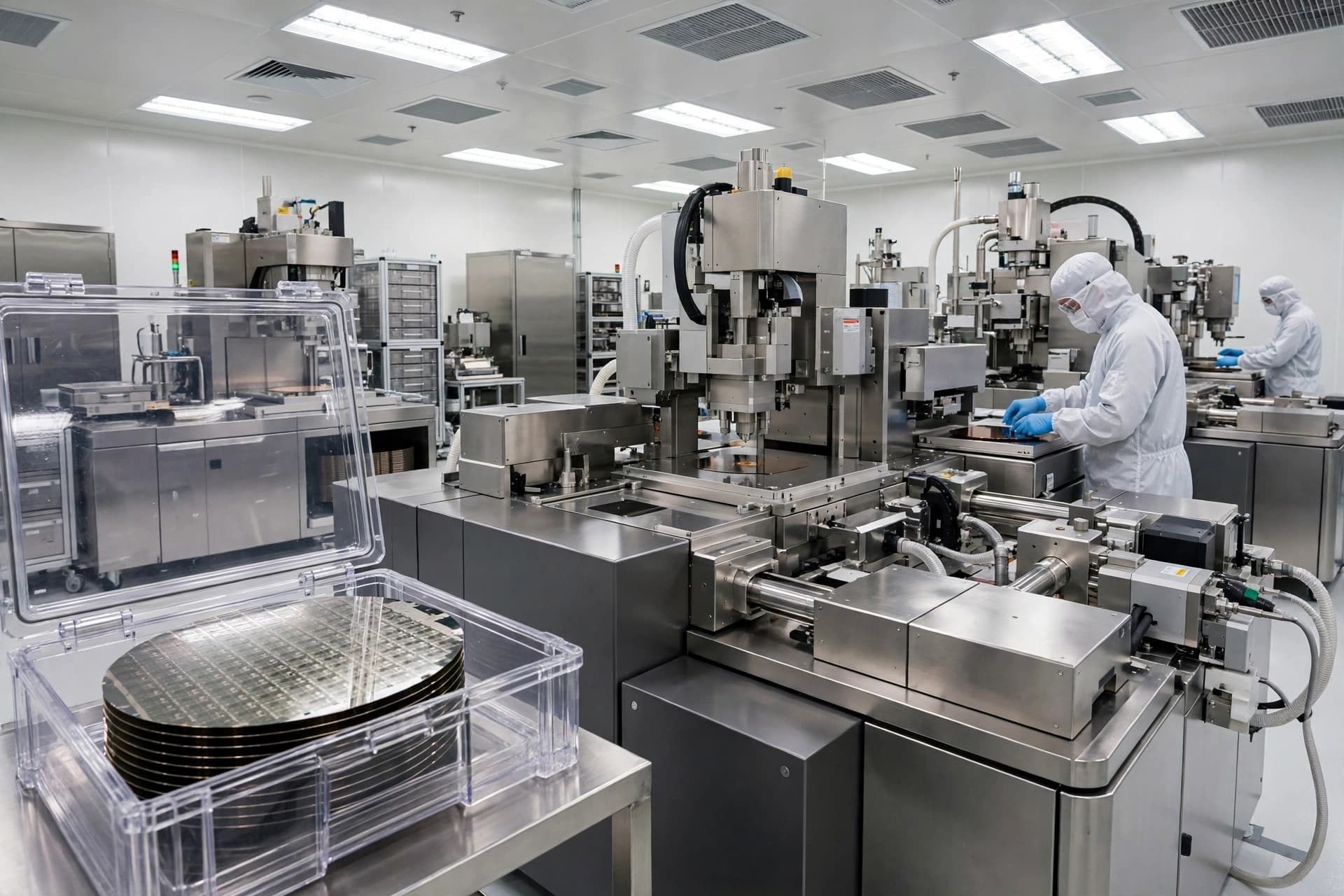
ExxonMobil has announced plans to launch a demonstration-scale pilot unit in the United States this year focused on synthetic graphite, marking a notable step into the growing market for battery materials.
The move reflects a broader shift among major energy companies seeking to position themselves within the evolving energy and manufacturing landscape. Synthetic graphite is a key component in lithium-ion batteries, widely used in electric vehicles and energy storage systems. As global demand for battery technology expands, supply chains for critical materials have become an area of strategic interest for both industry and policymakers.
Traditionally known for its oil and gas operations, ExxonMobil has in recent years signaled interest in lower-carbon technologies and materials tied to energy transition trends. A pilot unit typically serves as a testing ground to evaluate production processes, cost efficiency, and scalability before committing to large-scale commercial investment. By launching a demonstration facility domestically, the company aligns with broader U.S. efforts to strengthen critical mineral supply chains and reduce dependence on foreign sources.
Synthetic graphite differs from natural graphite in that it is manufactured through high-temperature processing of carbon materials. While production can be energy-intensive, synthetic graphite offers consistent purity and performance characteristics valued in battery applications. The United States has sought to expand its domestic capacity for battery materials as part of wider industrial and strategic policy goals.
The pilot project also signals a recognition that traditional energy companies may play a role beyond fuel extraction in future industrial ecosystems. Several major firms have explored investments in carbon capture, hydrogen, and advanced materials. Entering the synthetic graphite space suggests ExxonMobil sees potential long-term demand growth linked to electrification and storage technologies.
Industry analysts note that pilot projects carry inherent uncertainty. Market conditions, regulatory frameworks, and technological performance all influence whether a demonstration facility evolves into full commercial production. However, early-stage projects can help companies build technical expertise and establish supply relationships within emerging value chains.
The timing of the announcement comes amid continued debate about how quickly battery demand will expand and how supply chains should be structured. Governments in North America and Europe have introduced policies aimed at encouraging domestic production of critical minerals and battery components, viewing them as strategically important industries.
For ExxonMobil, the pilot unit represents both diversification and experimentation. Whether the initiative leads to a larger manufacturing footprint will depend on technical outcomes and market signals. For now, the project underscores how established energy companies are adapting to a shifting industrial environment shaped by electrification and material innovation.
AI Image Disclaimer Some visuals accompanying this article may be AI-generated for illustrative purposes only.
Published by Banx Network. This article is part of the Banx decentralized media programme, powered by the BXE token on the XRP Ledger.