There are seasons in the global economy when movement feels almost tidal—currents shifting not from a single force, but from distant storms that quietly reshape the flow. Trade, like water, rarely stops; it bends, it adapts, it finds new paths when old routes become uncertain.
In the first full month since the outbreak of conflict involving Iran, China’s trade figures began to reflect such a turning tide. Exports, long a steady engine, appeared to lose some of their earlier momentum, growing by only 2.5% year-on-year—a notable slowdown from the brisk pace seen at the start of the year.
At the same time, imports moved in the opposite direction, rising sharply by 27.8%. This contrast—exports softening while imports accelerate—suggests not a collapse, but a recalibration. Beneath the surface, China’s economy seems to be adjusting to new pressures: higher energy costs, shifting supply chains, and a global environment touched by uncertainty.
The influence of the Iran war is subtle yet persistent. Energy markets, long sensitive to disruptions in the Middle East, have felt renewed strain. China, as the world’s largest energy importer, has responded by diversifying its sources—turning increasingly toward suppliers in regions such as South America and Eastern Europe as flows from the Middle East become less predictable.
This shift carries consequences beyond fuel. Rising input costs ripple through factories, affecting margins and, in time, the pricing of goods destined for export. It is perhaps here that the slowing export growth finds part of its explanation—not in a sudden drop in capability, but in the quiet accumulation of cost pressures and cautious demand.
Meanwhile, the surge in imports tells a different story. It reflects a domestic landscape still absorbing materials, energy, and components—perhaps stockpiling against further disruption, or responding to internal demand that remains more resilient than expected. Imports, in this sense, become both a shield and a signal: a way to buffer uncertainty while revealing underlying economic activity.
There are also geopolitical undertones. Trade with the United States has declined sharply, while flows toward Europe and Southeast Asia have shown modest resilience. In this evolving pattern, China appears to be redrawing parts of its commercial map, not abruptly, but with a gradual reorientation shaped by both economics and diplomacy.
Yet, as with all early signals, interpretation requires caution. A single month rarely defines a trend. The earlier part of the year saw exports surge, suggesting that momentum has not disappeared entirely, but may now be encountering friction.
What emerges is less a reversal than a moment of tension—between growth and constraint, between established routes and emerging alternatives. The figures, when viewed together, resemble a system in motion rather than one in retreat.
In the months ahead, much will depend on how long the broader conflict persists and how deeply it continues to influence global demand and energy flows. For now, China’s trade balance offers a glimpse into an economy navigating shifting waters—steady in direction, yet responsive to every change in the current.
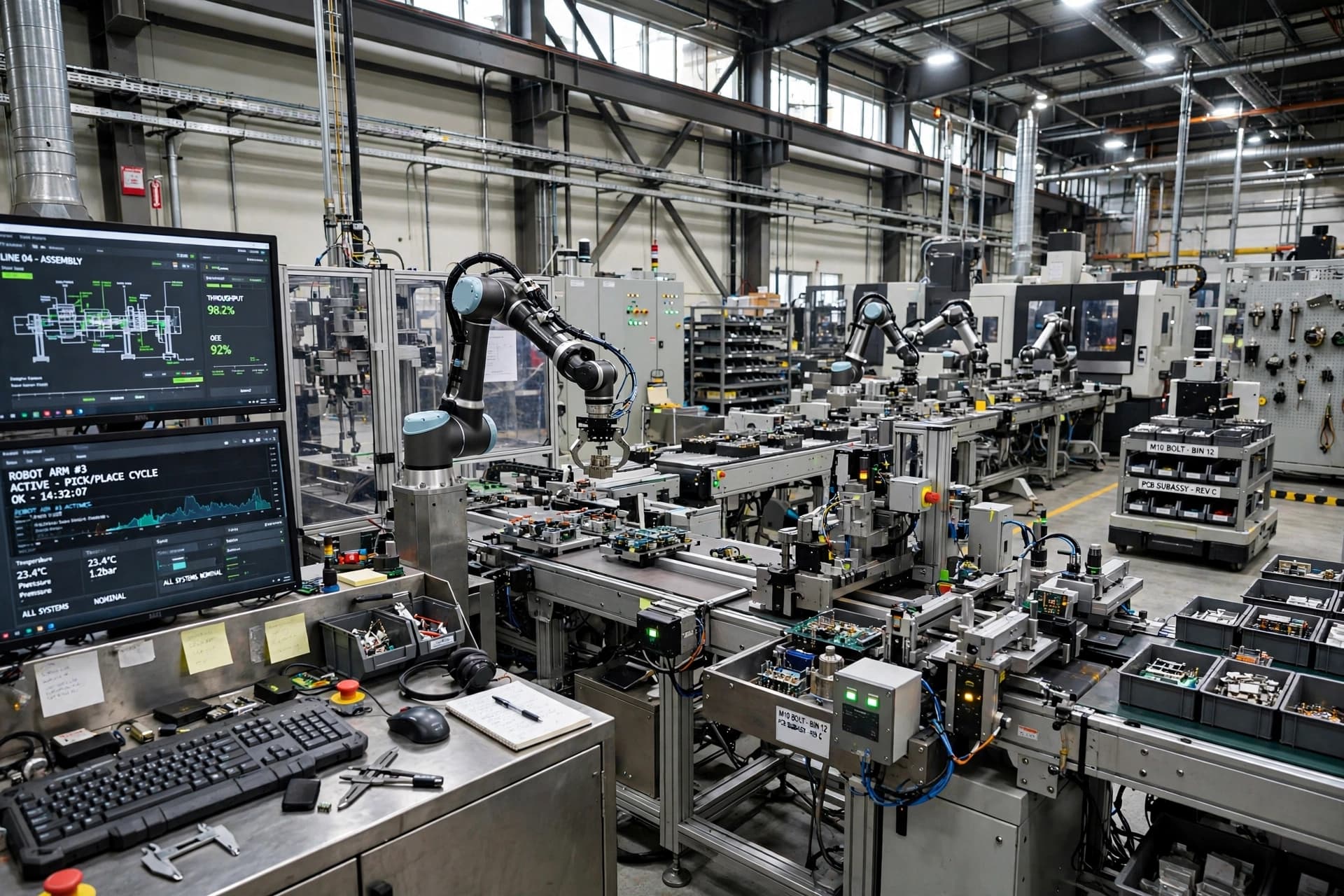
AI Image Disclaimer Images in this article are AI-generated illustrations, meant for concept only
Source Check The topic is supported by credible coverage and analysis from:
Reuters Associated Press Financial Times Bloomberg CNBC
Published by Banx Network. This article is part of the Banx decentralized media programme, powered by the BXE token on the XRP Ledger.