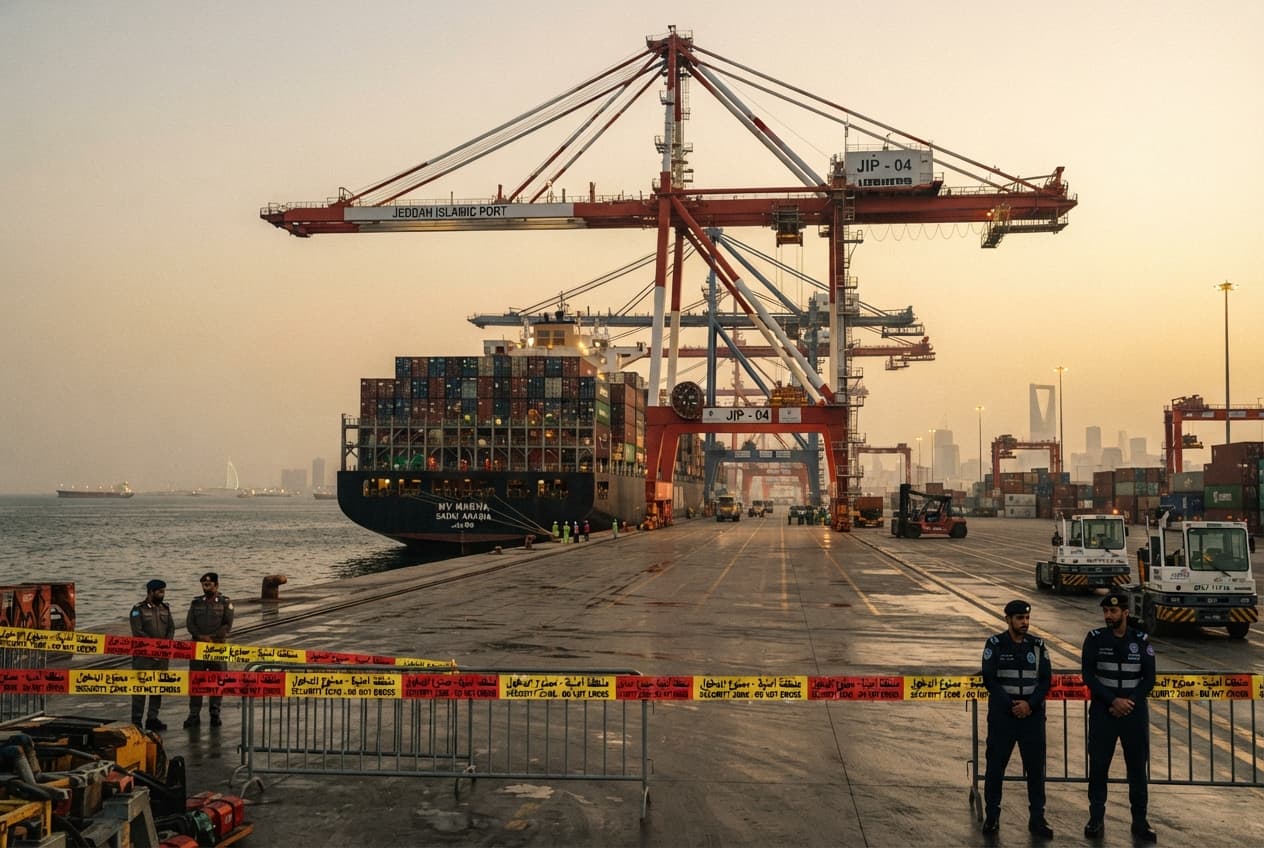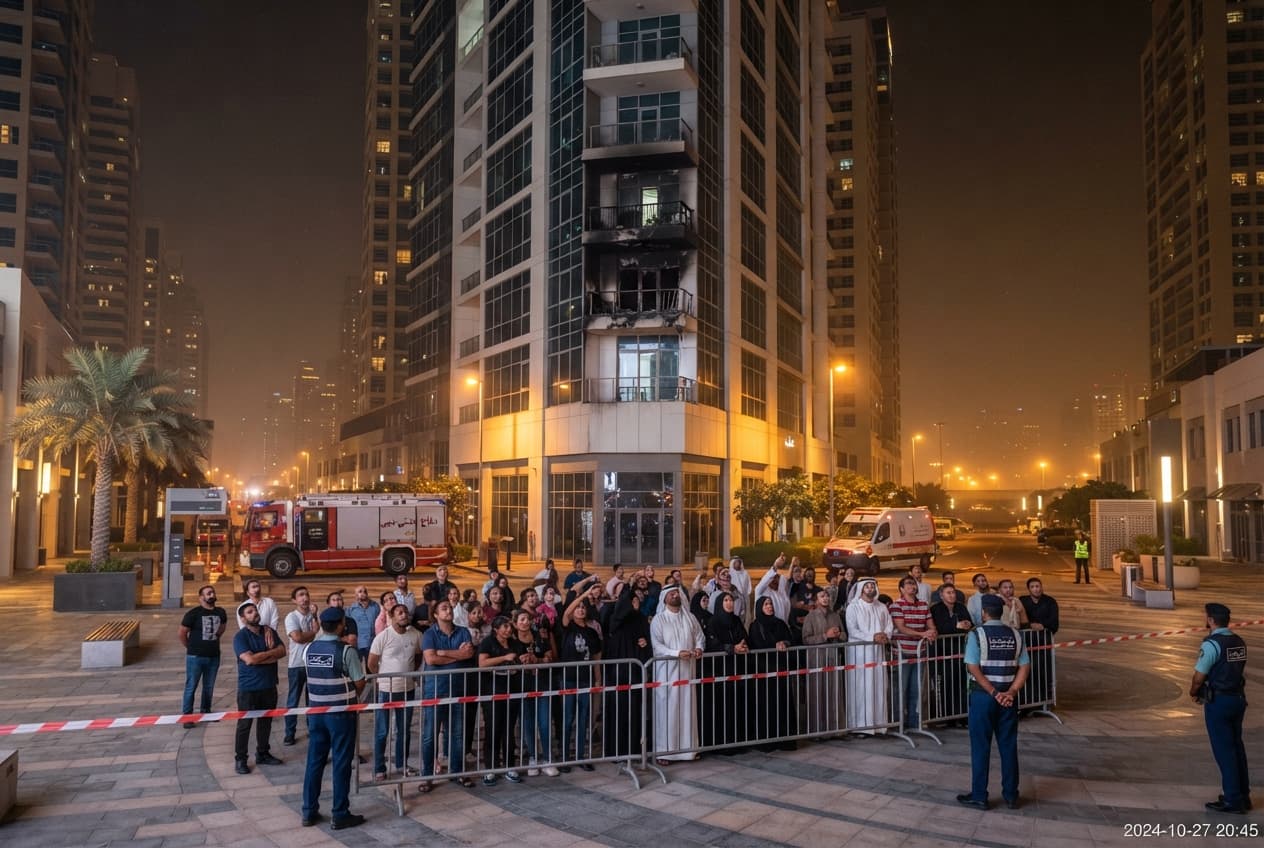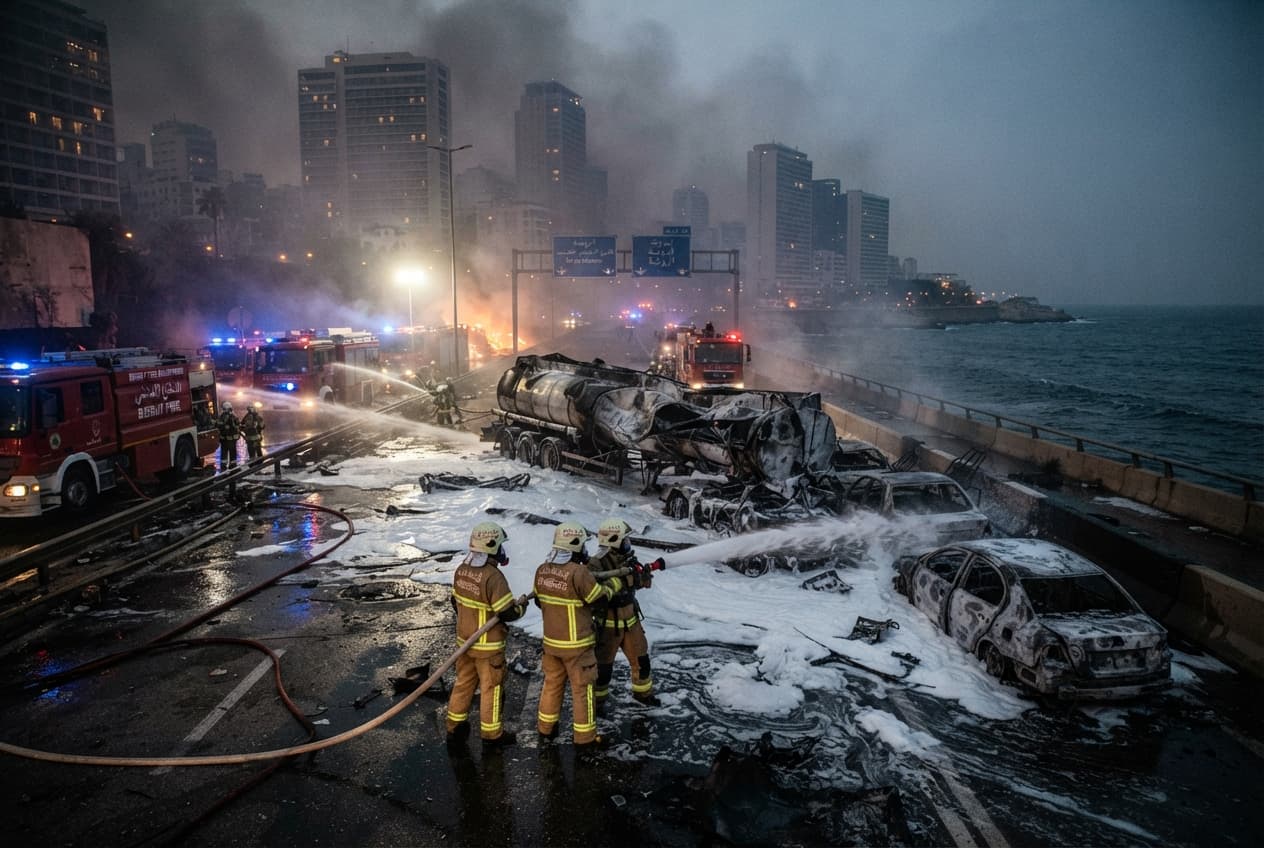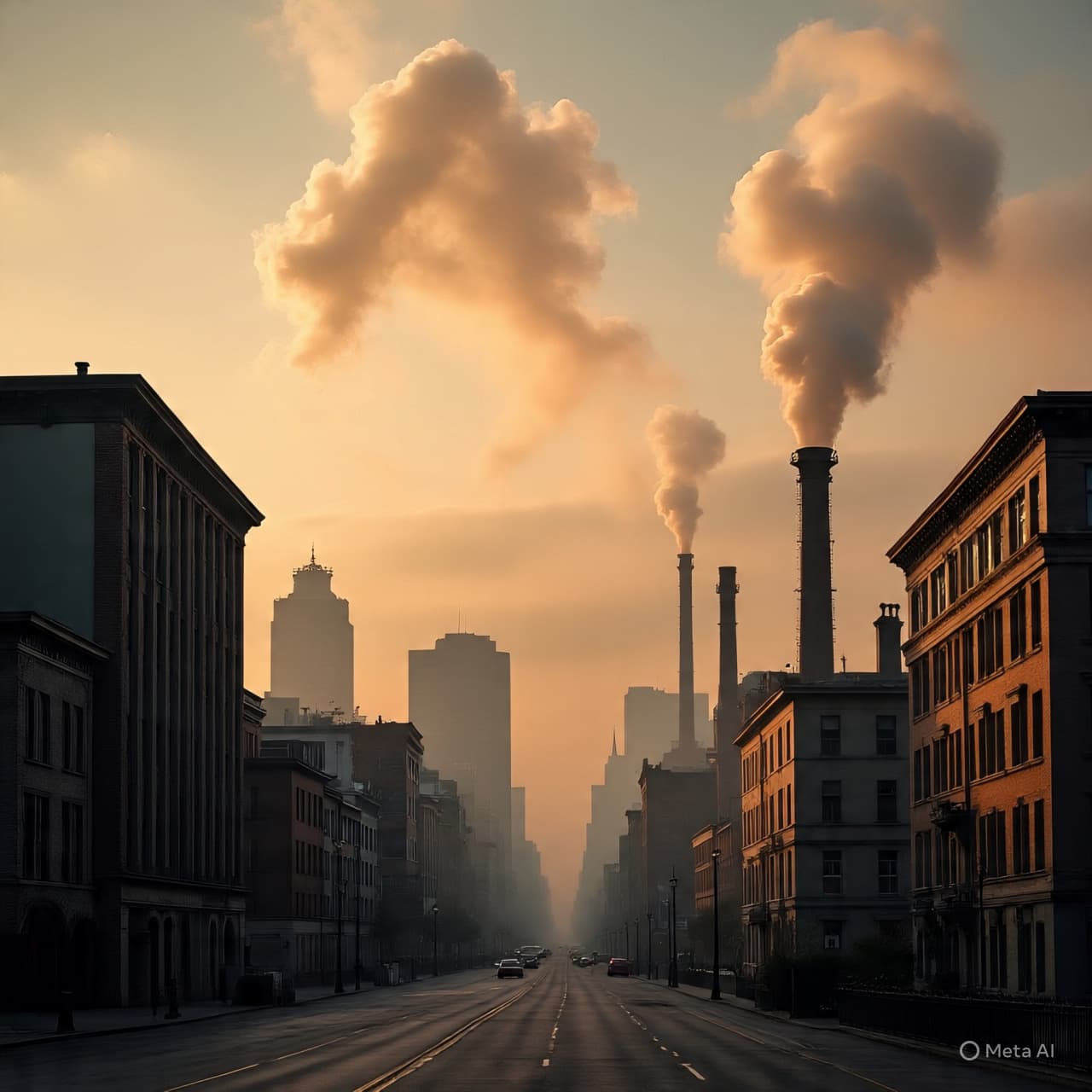
In the early hours over Caracas, a city that usually hums with the rhythms of everyday life, the stillness of dawn was shattered by sudden explosions. Smoke curled into the sky, streets emptied, and the normal cadence of a capital seemed suspended in a fragile moment of uncertainty. Residents awoke to alerts urging them to shelter in place, to stay inside their homes, and to wait. In these hours, the city became a quiet witness to forces larger than any individual, a tableau of tension and human endurance unfolding in real time.
Reports indicate that the blasts occurred near military installations and densely populated neighborhoods, with power outages compounding the disorientation. The cause of the explosions remains a subject of conflicting reports — some citing domestic military operations, others hinting at foreign involvement. As information trickled through news outlets and social media, the population’s response was cautious, reflective, and immediate: doors were locked, blinds drawn, and families huddled together, tracing the uncertain movements of smoke and sound from afar.
The Venezuelan government declared a state of emergency, a formal acknowledgment that the events were both serious and ongoing. Meanwhile, international observers and foreign missions — notably the U.S. Embassy — issued security alerts, warning nationals to remain indoors and avoid unnecessary travel. Such advisories highlight the precariousness of the situation, the delicate balance between daily life and extraordinary risk, and the urgent need for calm amidst the noise of uncertainty.
Beyond the immediate shock, the events in Caracas underscore a deeper narrative: cities, even capitals, can become landscapes of tension overnight, where ordinary routines are interrupted by forces that are complex, unseen, and politically charged. For local residents, these are moments of vigilance, patience, and adaptation, as families weigh each decision — whether to move, to stay, or to wait. The psychological weight of sheltering in place is as tangible as the physical barriers that doors, walls, and windows provide.
Internationally, the explosions have triggered concern and scrutiny. Governments monitor the situation closely, seeking to balance diplomatic, humanitarian, and security considerations. For the people of Venezuela, these hours of uncertainty are both immediate and reflective, a reminder of resilience in the face of sudden disruption. Streets that were once filled with morning traffic now serve as corridors of stillness; homes become sanctuaries of observation and quiet endurance.
As Caracas navigates these moments, the city waits — waiting for clarity, for restoration of normalcy, for news that will explain what has shaken its streets and skyline. In the meantime, families, workers, and authorities continue a careful choreography of survival and vigilance, each act reinforcing the fragile but persistent pulse of urban life in crisis. The situation remains fluid, and the call to shelter in place is not only an instruction, but a meditation on the interplay between danger and patience, uncertainty and endurance.
AI Image Disclaimer “Illustrations were produced with AI and serve as conceptual depictions, not real photographs.”
Sources Reuters — eyewitness accounts and local reporting U.S. Embassy Venezuela — official security alert Laotian Times — international news coverage Fox News / The Daily Beast — advisory reports The Guardian — ongoing updates and global context
Published by Banx Network. This article is part of the Banx decentralized media programme, powered by the BXE token on the XRP Ledger.