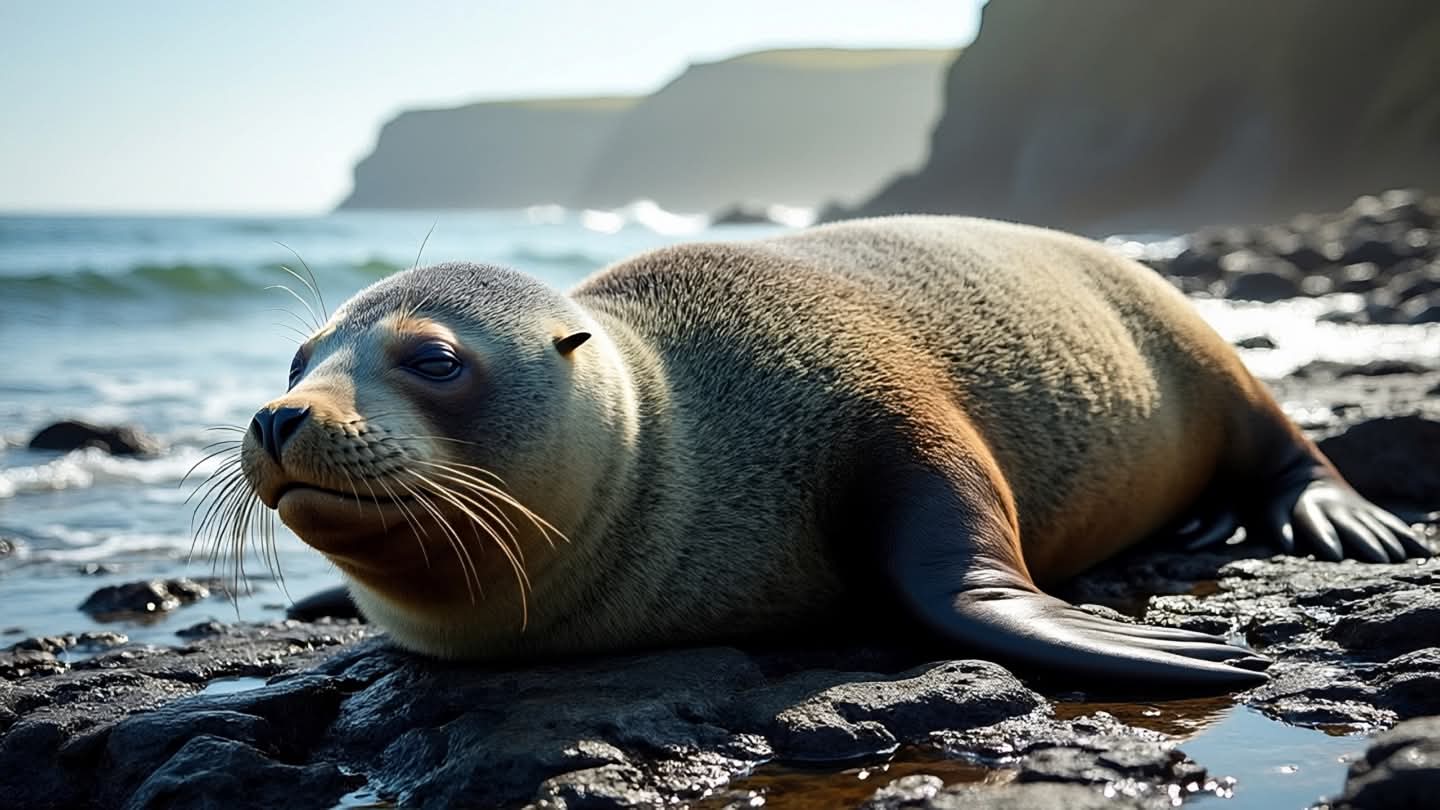
On the rugged coastline of South Australia, where the Southern Ocean meets the land in a spray of salt and wind, a quiet tragedy has unfolded. A long-nosed fur seal, found lifeless on the shores of Beachport, has become the first confirmed mammal on the Australian mainland to die from the highly pathogenic H5 avian influenza virus. This event, while isolated in its immediate occurrence, sends a ripple of concern through the scientific community and the public alike. It serves as a stark reminder that the boundaries between species are more permeable than we might wish, and that viruses do not respect the lines we draw between birds and mammals.
The discovery was made by wildlife authorities who responded to reports of a deceased seal. Subsequent testing confirmed the presence of the H5N1 strain, a virus that has been circulating globally among bird populations with increasing intensity. For Australia, which had largely remained free of this specific high-pathogenicity strain in wild mammals, the confirmation marks a significant shift in the ecological landscape. It is no longer a question of if the virus would cross over, but when and how often.
Experts describe the event as "expected but dreaded." The H5 virus has shown a remarkable ability to adapt, jumping from avian hosts to mammals in other parts of the world, including North America and Europe. Seals, being curious and social animals that often interact with sick or dead birds, are particularly vulnerable. The transmission likely occurred through direct contact or consumption of infected prey, highlighting the intricate and often dangerous connections within the food web.
The implications for marine wildlife are profound. Fur seals are not just iconic symbols of Australia’s coastal heritage; they are key indicators of ocean health. Their susceptibility to the virus raises concerns about other marine mammals, such as dolphins, whales, and sea lions. If the virus establishes itself in these populations, it could lead to widespread mortality events, disrupting marine ecosystems in ways that are difficult to predict.
Authorities have urged the public to remain vigilant but calm. Residents are advised to avoid contact with sick or dead wildlife and to report any unusual findings to local authorities. Biosecurity measures are being strengthened at key coastal sites to monitor for further cases. The goal is to contain the spread and gather data that can inform future conservation strategies, ensuring that responses are swift and effective.
This incident also underscores the broader challenge of emerging infectious diseases in a changing climate. As environmental conditions shift, pathogens find new opportunities to thrive and spread. The H5 virus is a testament to the resilience of nature, but also to its fragility. Managing these risks requires a coordinated global effort, combining surveillance, research, and public education.
For the community of Beachport and beyond, the loss of the seal is a poignant moment. It invites reflection on our relationship with the natural world and our responsibility to protect it. While one death may seem small in the grand scheme, it is a signal that demands attention. The health of our wildlife is inextricably linked to our own, and ignoring these signs comes at a perilous cost.
The death of the long-nosed fur seal is a somber milestone in Australia’s encounter with H5 bird flu. It highlights the need for continued vigilance and proactive management of wildlife health. As scientists and authorities work to understand the full scope of the threat, the hope remains that careful monitoring and public cooperation will help safeguard both marine life and human communities.
AI Image Disclaimer: Please note that any accompanying visuals for this article are AI-generated representations intended for illustrative purposes only.
Sources: The Guardian ABC News Australia Sydney Morning Herald News.com.au Invasive Species Council
Published by Banx Network. This article is part of the Banx decentralized media programme, powered by the BXE token on the XRP Ledger.