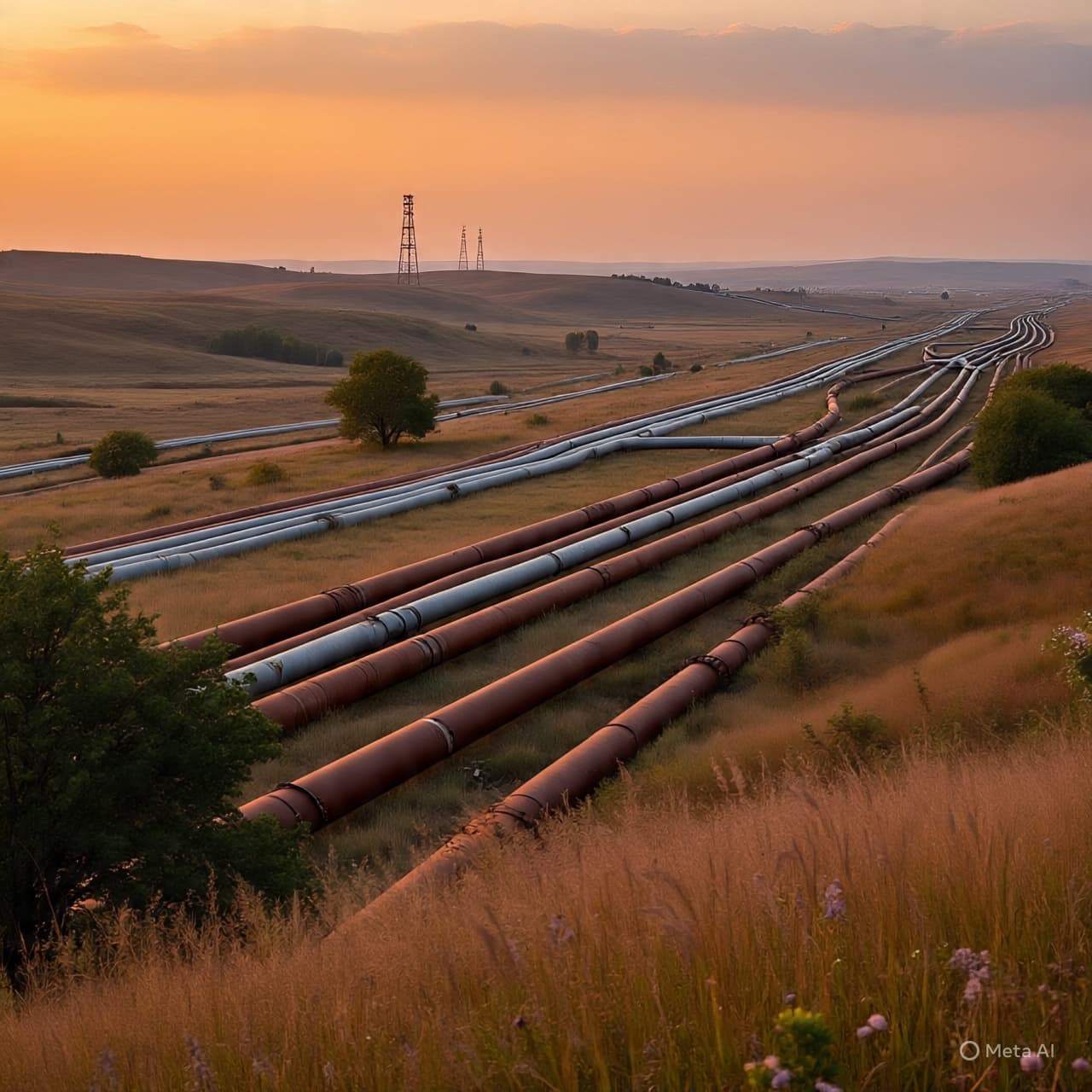
The hum of turbines, the quiet flow of gas through pipelines, the distant click of data-centers powering up — the world is waking up again to a fuel older than much of its modern machinery. Where coal once ruled, and oil cast long shadows, now natural gas is emerging as a backbone for a shifting energy order. At the heart of this change rises Expand Energy, stepping into the light as a leading producer in a moment of renewed urgency and expectation.
In 2024, multiple smaller producers converged in a wave of consolidation, giving birth to Expand Energy. Overnight, it became the largest natural-gas producer in the United States — not through flashy declarations, but through quiet strategy: disciplined production, cost-cutting, and a refusal to chase boom-bust cycles. That restraint now suits the moment. As winter chills deepen demand and futures push past thresholds not seen since 2022, Expand’s shares surge — but more importantly, so does its relevance.
This is not just about one company. The stage is broader. The world’s energy systems — particularly in Asia and emerging economies — are tilting toward gas. As industries electrify, as data centers multiply, as electricity demand stretches beyond the capacity of older grids, natural gas offers a bridge: more flexible than coal, less volatile than oil, and easier to scale compared with many renewables. Analysts anticipate natural-gas demand growth rates in Asia to run near 5% annually, outpacing many older energy sectors.
LNG exports are part of the story, too. New liquefaction capacity coming online — especially in the United States — promises to feed global demand, even as traditional pipeline flows shrink or remain uncertain. As LNG flows to power plants, industries, and data centers worldwide, natural gas transcends its regional roots and becomes a globally traded commodity once more.
There are signs that 2026 could mark the tipping point: improved supply, expanding infrastructure, and hungry markets converging. For companies like Expand Energy, this isn’t the endgame — but perhaps the beginning of a long-term chapter. Their lower-cost structure, strategic positioning near LNG terminals and data hubs, and production discipline may allow them to ride this wave without drowning in the excess that felled so many before.
Still, this renaissance comes with quieter questions. Will increased LNG capacity lead to oversupply, pushing prices down? Can natural gas remain a bridge — or will it become yet another fossil fuel anchor at a time when climate imperatives demand we let go of old comforts? For now, the industry seems to believe that timing and geography matter: demand is growing, especially where renewables remain costly or infrastructure remains nascent.
Expand Energy’s rise, then, is less a flash of opportunism than a signpost. It points toward a landscape where natural gas — long disparaged, often maligned — retracts from the margins and steps again onto center stage. If the coming years deliver as hoped, this may indeed be the dawn of a new golden age for gas.
Yet whether this age shines bright — or dims under the weight of environmental urgency and market swings — remains to be seen.
AI Image Disclaimer: Illustrations were produced with AI and serve only as conceptual visuals, not actual photographs.
Sources: International Energy Agency; International Gas Union; BCG; Morgan Stanley; Investors’ Business Daily
Published by Banx Network. This article is part of the Banx decentralized media programme, powered by the BXE token on the XRP Ledger.