
Key Highlights
- Criticism:A former Japanese minister has criticized India for delays in the bullet train project.
- Project Management:The ex-minister cited weak project management and procurement complications as key issues.
- Indian Response:Indian officials stated that the schedule is being refined to enhance safety and interoperability.
Former Japanese Minister Hideki Makihara has publicly criticized India for the ongoing delays in the bullet train project associated with Prime Minister Narendra Modi. Makihara, who previously held the position of Minister of Justice, pointed to several factors contributing to the setbacks, including what he described as weak project management and complications in procurement processes. He expressed concern that the shifting timelines have pushed construction milestones beyond their original targets, which could lead to increased costs and complications in coordinating with technology and supply partners.
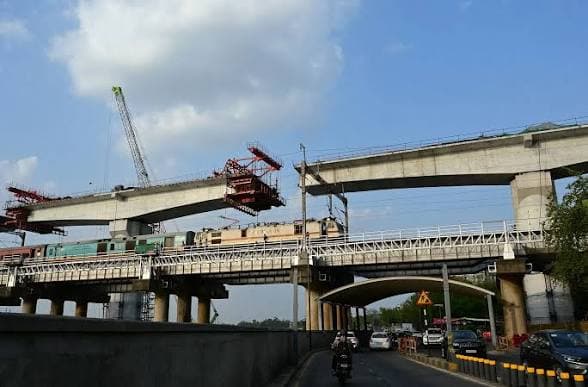
The bullet train project, which aims to connect Mumbai and Ahmedabad with a high-speed rail link, has been a flagship initiative for Modi's government, promising to revolutionize transportation in India. However, the project has faced numerous challenges since its inception, including land acquisition issues, environmental clearances, and bureaucratic hurdles. Makihara's comments come at a time when scrutiny of high-speed rail delivery across Asia is intensifying, with various countries grappling with similar challenges.
In response to the criticism, Indian officials have defended the project, stating that the schedule is currently being refined to improve safety and interoperability. They emphasized that while delays are regrettable, they are necessary to ensure that the project meets international standards and delivers a safe and efficient service for passengers. The Indian government remains committed to the bullet train initiative, viewing it as a critical component of its broader infrastructure development strategy.
The exchange between Makihara and Indian officials highlights the complexities involved in international infrastructure projects, particularly those that involve significant foreign investment and technology transfer. As countries around the world look to modernize their transportation networks, the lessons learned from the India-Japan bullet train collaboration could provide valuable insights for future projects.
As the situation develops, stakeholders from both nations will be closely monitoring the progress of the bullet train project, hoping to resolve the issues at hand and move forward with construction. The outcome of this project could have far-reaching implications for India's transportation landscape and its relationship with Japan, a key partner in this ambitious endeavor.
Published by Banx Network. This article is part of the Banx decentralized media programme, powered by the BXE token on the XRP Ledger.



