
Key Highlights
- Increased Cargo Activity:The Port of Marseille reports a surge in shipping activity as summer approaches.
- Economic Impact:The port supports thousands of jobs and plays a crucial role in international trade.
- Environmental Initiatives:Port authorities are investing in cleaner technologies to balance growth with sustainability.
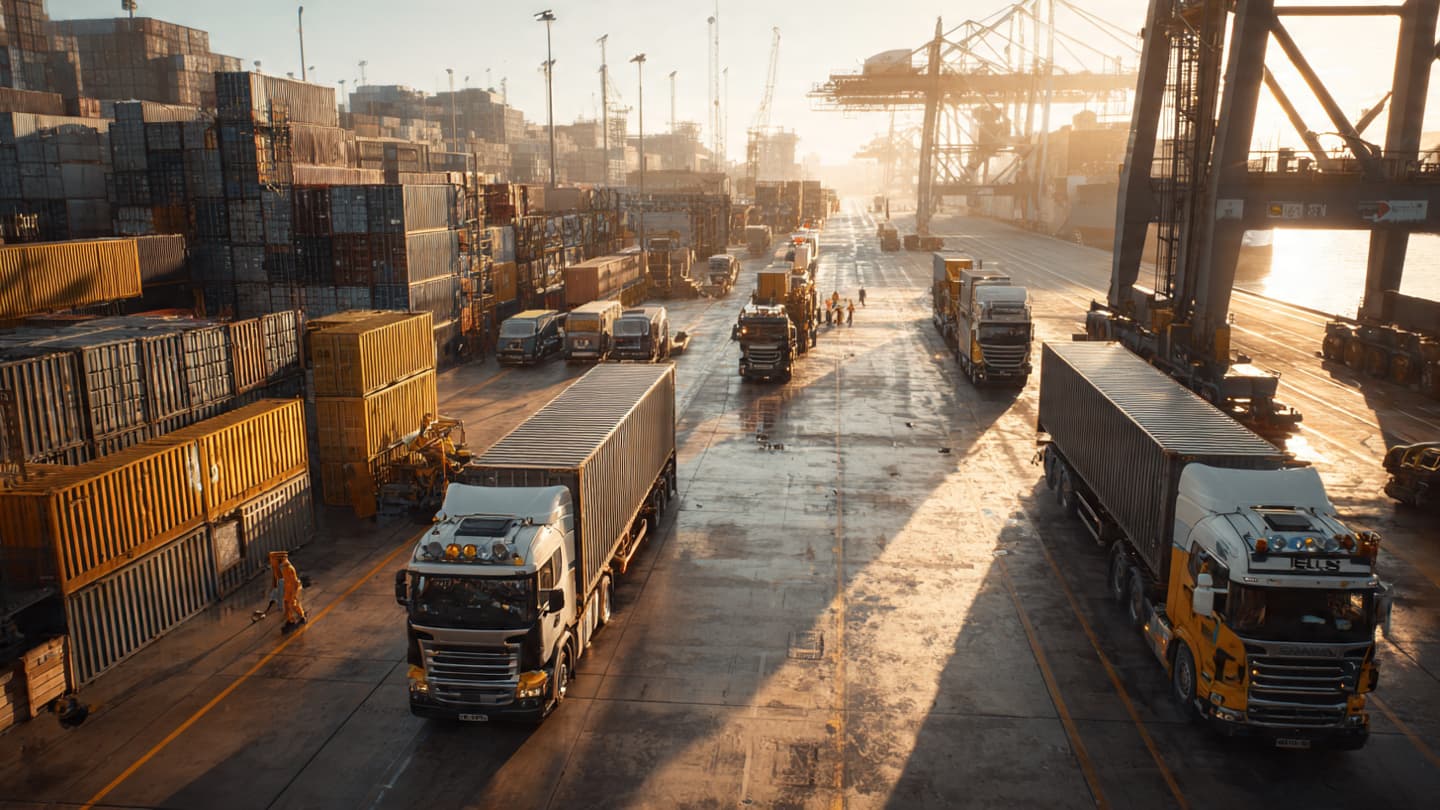
The Port of Marseille, one of Europe's largest commercial ports, is bustling with activity as the summer season approaches. Long before dawn breaks over the Mediterranean coast, massive cargo ships are already entering the harbor, signaling a significant uptick in global commerce. Recent weeks have seen a marked increase in cargo activity, with shipping companies gearing up for heightened demand as the summer months draw near. This surge is not just about steel and machinery; each shipment represents a complex web of businesses, families, and economies interconnected across continents.
Port authorities attribute this increase in activity to several factors. Traditionally, trade accelerates before the summer holidays, and this year is no exception. Improvements in global shipping schedules have also played a role, helping to alleviate congestion that plagued the industry in previous years. Shipping operators have adjusted vessel rotations to enhance delivery efficiency across Mediterranean and European trade corridors, ensuring that goods move smoothly from one destination to another.
In response to the growing demand, logistics companies throughout southern France are ramping up their operations. Warehouse capacities are being strengthened, and transportation networks are expanding to accommodate the influx of goods. Trucking firms, rail freight operators, and distribution centers are working in close coordination to ensure that imported products reach businesses efficiently while facilitating the smooth export of French goods to international markets.
The economic implications of this increased activity are significant. The port supports thousands of jobs, from dockworkers and customs officials to logistics specialists and transport providers. Each role is vital in maintaining the interconnected supply chain that extends far beyond the harbor. The steady flow of goods through the Port of Marseille not only sustains local employment but also reinforces its status as one of France's key gateways for international commerce.
As commercial activity expands, environmental responsibility remains a top priority for port authorities. Investments in cleaner technologies, shore power facilities, and emissions reduction initiatives are underway to ensure that economic growth does not come at the expense of environmental sustainability. Shipping companies are also exploring more efficient vessels and alternative fuels as the maritime industry gradually transitions toward lower-carbon operations.
Businesses across Europe are closely monitoring global shipping conditions. While international trade has stabilized compared to previous periods of severe disruption, companies remain vigilant regarding factors such as weather conditions, fuel prices, and regional developments that could impact transportation costs or delivery schedules. Economists note that healthy cargo volumes often serve as indicators of broader economic activity, and the steady movement of goods through major ports like Marseille reflects ongoing business confidence and consumer demand across various industries.
As the busy summer shipping season begins, the Port of Marseille continues to demonstrate its importance not only to France but also to the wider European economy. Each vessel that arrives and every container that departs reinforces the connections that bind international trade together, highlighting the intricate network of cooperation, planning, and human effort behind every product delivered.
Published by Banx Network. This article is part of the Banx decentralized media programme, powered by the BXE token on the XRP Ledger.



