
Key Highlights
- U.S. expands diplomatic efforts to enhance maritime security.
- Cooperation among nations is emphasized to ensure safe shipping routes.
- Secure shipping lanes are crucial for the global economy.
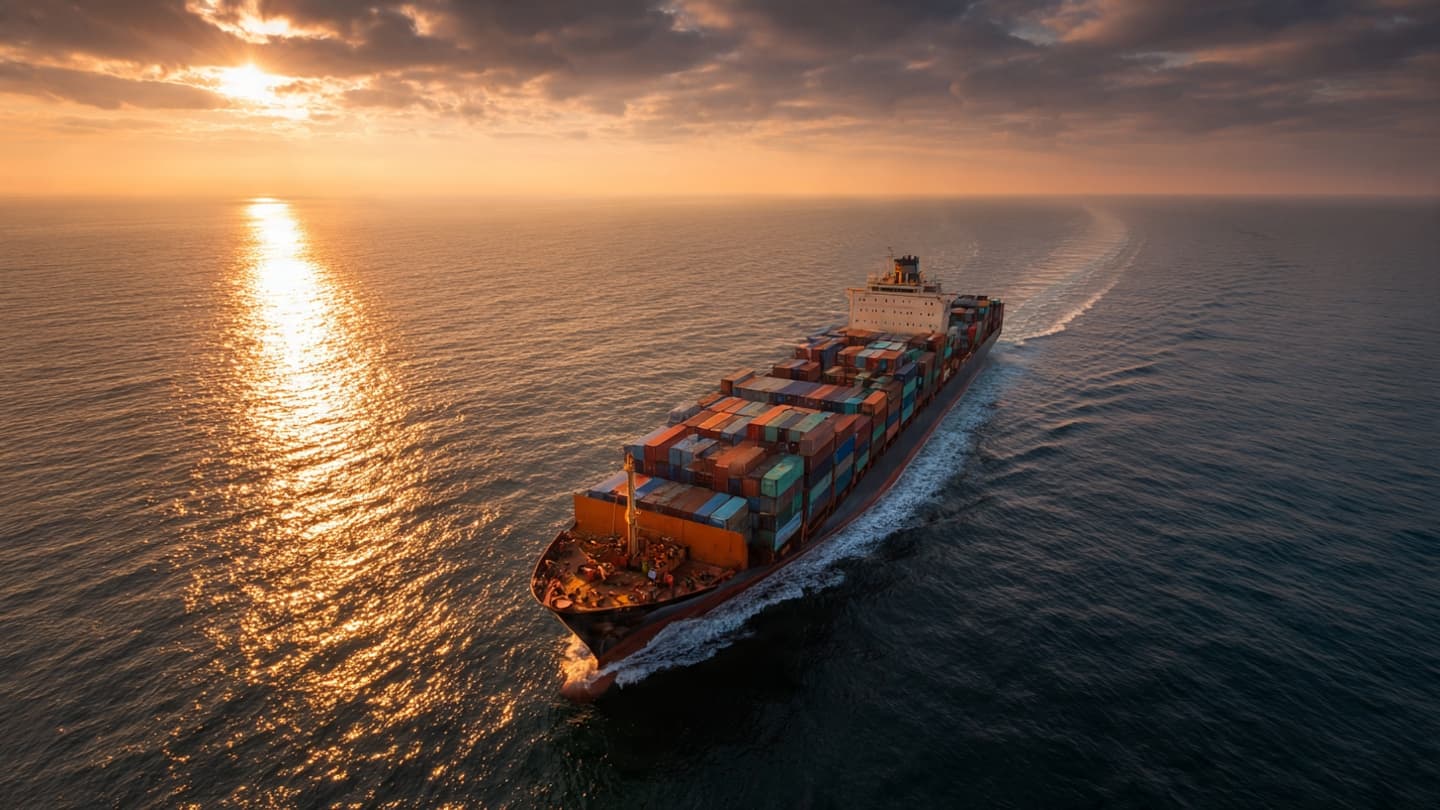
The movement of a single cargo ship may seem ordinary, yet together thousands of vessels create the invisible rhythm that connects continents. Everyday products, energy supplies, and industrial materials travel across oceans before reaching homes and businesses around the world. Protecting those maritime pathways has once again become a central focus of American diplomacy.
The United States has expanded diplomatic engagement with allies and regional partners to strengthen security along several strategic shipping routes. Officials describe the initiative as part of an international effort to preserve freedom of navigation while ensuring commercial vessels can continue operating safely. This renewed focus comes in response to rising geopolitical tensions that threaten the stability of international trade.
American diplomats have held consultations with governments across multiple regions, emphasizing cooperation rather than confrontation. The discussions include maritime security, information sharing, and coordination among defense and civilian authorities responsible for monitoring international waterways. This collaborative approach aims to create a unified front against potential threats to maritime safety.
Shipping companies continue to evaluate security conditions while maintaining regular commercial operations. Although most trade routes remain open, operators routinely adjust logistics based on official advisories and regional security assessments issued by international maritime organizations. These adjustments are crucial in ensuring that supply chains remain intact and that goods reach their destinations without unnecessary delays.
Economists note that secure shipping lanes remain essential to the global economy. Delays affecting major sea routes could influence manufacturing schedules, transportation costs, energy markets, and consumer prices in countries far removed from the immediate region. The interconnectedness of global trade means that disruptions in one area can have ripple effects worldwide, underscoring the importance of maintaining safe maritime routes.
International organizations have encouraged governments to maintain open communication throughout periods of heightened geopolitical uncertainty. Maritime security has increasingly become a shared international responsibility requiring cooperation among multiple nations rather than unilateral action. This shift towards collaboration reflects a growing recognition that collective efforts are more effective in addressing complex security challenges.
Policy analysts suggest that sustained diplomatic engagement reduces the likelihood of unintended escalation. By combining dialogue with practical coordination, governments seek to preserve confidence among commercial operators while minimizing risks to international trade. The ongoing discussions highlight the importance of diplomacy in navigating the complexities of modern maritime security.
As discussions continue, officials remain optimistic that diplomacy can reinforce stability across key maritime corridors. While security challenges persist, cooperation among partner nations continues to play an important role in safeguarding global commerce. The commitment to working together is seen as vital for ensuring that the flow of goods remains uninterrupted, benefiting economies around the world.
AI Image Disclaimer: The illustration accompanying this article was generated using artificial intelligence for visual reference and should not be interpreted as a real photograph.
Published by Banx Network. This article is part of the Banx decentralized media programme, powered by the BXE token on the XRP Ledger.



