The night sky has always invited humanity to wonder what exists beyond the familiar stars. Each new discovery expands not only scientific knowledge but also the imagination that has guided exploration for generations. Continuing that tradition, NASA scientists have identified hundreds of new exoplanet candidates through advanced artificial intelligence techniques that accelerate the analysis of enormous astronomical datasets.
The discovery emerged from AI-assisted analysis of observations collected by space telescopes designed to detect planets orbiting distant stars. Machine learning algorithms helped researchers identify subtle patterns that might otherwise require years of manual examination.
Scientists explained that exoplanets are worlds located outside our solar system. While thousands have already been confirmed over the past two decades, many additional candidates remain hidden within vast archives of astronomical observations waiting for further verification.
Artificial intelligence has become an increasingly valuable tool in astronomy. By processing millions of light measurements with remarkable speed, AI systems can identify possible planetary transits that deserve closer investigation by astronomers.
NASA researchers emphasized that these newly identified objects remain candidates until additional observations confirm their existence. Follow-up studies using ground-based observatories and advanced space telescopes will help determine their size, composition, and orbital characteristics.
Astronomers are particularly interested in planets that orbit within the so-called habitable zone, where temperatures may allow liquid water to exist under suitable atmospheric conditions. Such discoveries contribute to broader scientific efforts to understand how planetary systems form and evolve.
The growing partnership between artificial intelligence and astronomy is transforming scientific research. Rather than replacing human expertise, AI enables researchers to focus on interpreting discoveries while significantly reducing the time required to analyze massive datasets.
As telescopes continue collecting increasingly detailed observations of the universe, researchers expect artificial intelligence to play an even greater role in future discoveries. Every newly identified candidate represents another opportunity to deepen humanity's understanding of the remarkable diversity of worlds beyond our own.
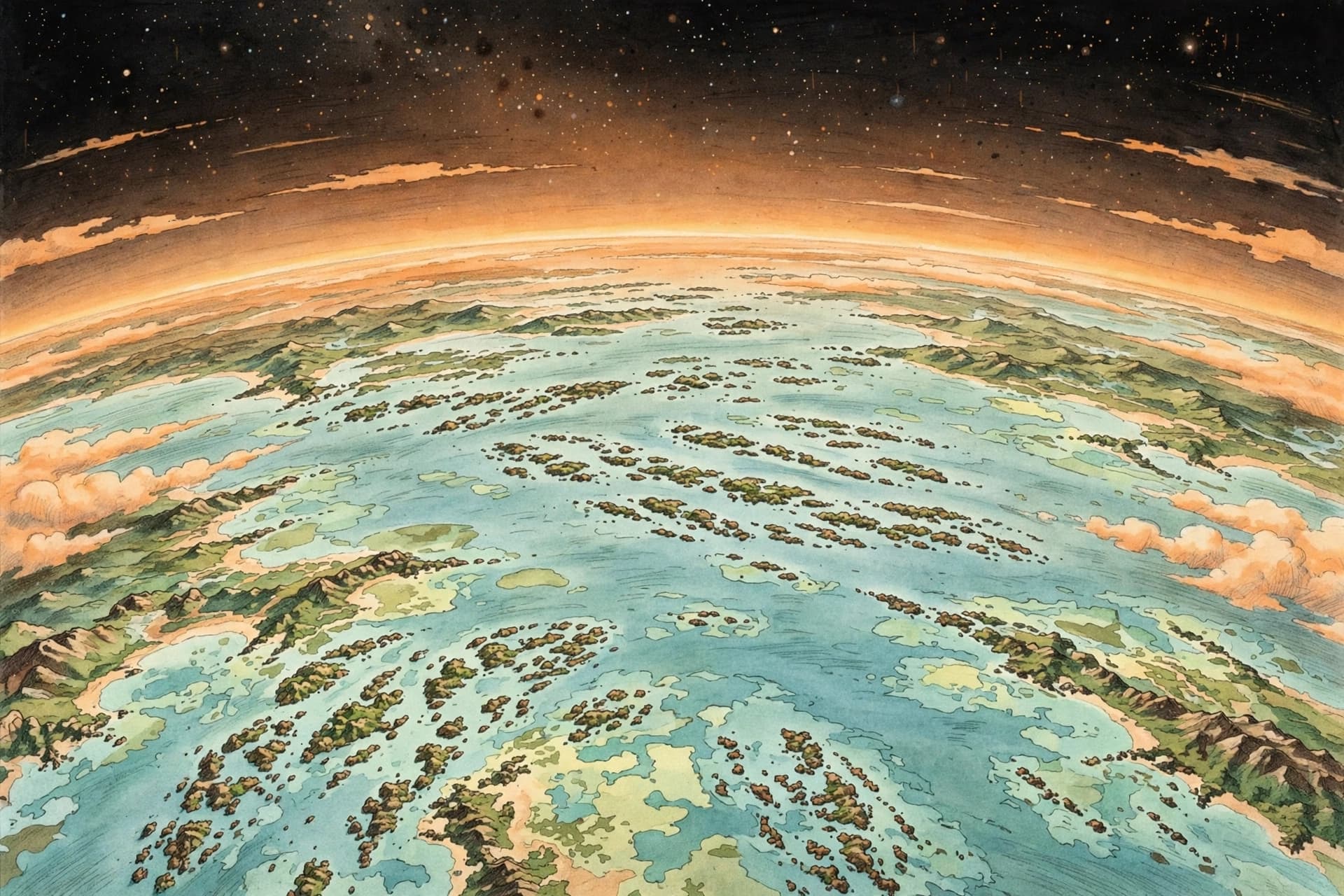
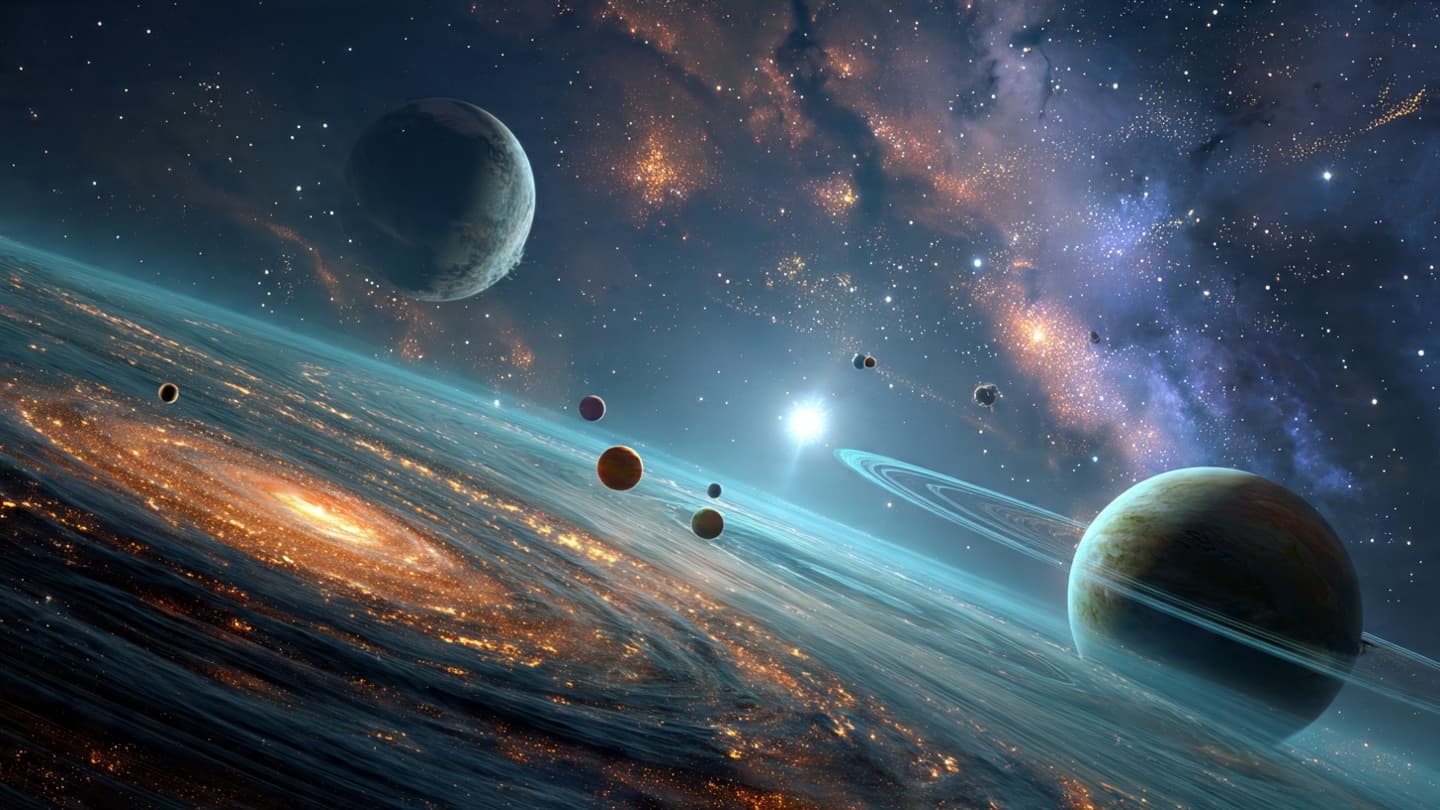
AI Image Disclaimer: The accompanying space illustrations are AI-generated artistic interpretations inspired by scientific concepts and are not actual NASA imagery.
Source Verification: NASA, Reuters, Space.com, Live Science, Scientific American
Published by Banx Network. This article is part of the Banx decentralized media programme, powered by the BXE token on the XRP Ledger.