

Key Highlights
- Drones are central to modern military operations, especially in Ukraine.
- Electronic warfare is now as crucial as drone deployment.
- The legal and ethical implications of drone use are under scrutiny.
The character of conflict has evolved significantly with each new generation of technology. Historically, military strategies relied heavily on large formations and traditional maps. Today, the battlefield is increasingly influenced by smaller, sophisticated systems capable of gathering intelligence, monitoring activities, and executing precise missions from the air. The growing presence of drones exemplifies this transformation, particularly in recent conflicts such as the war in Ukraine.
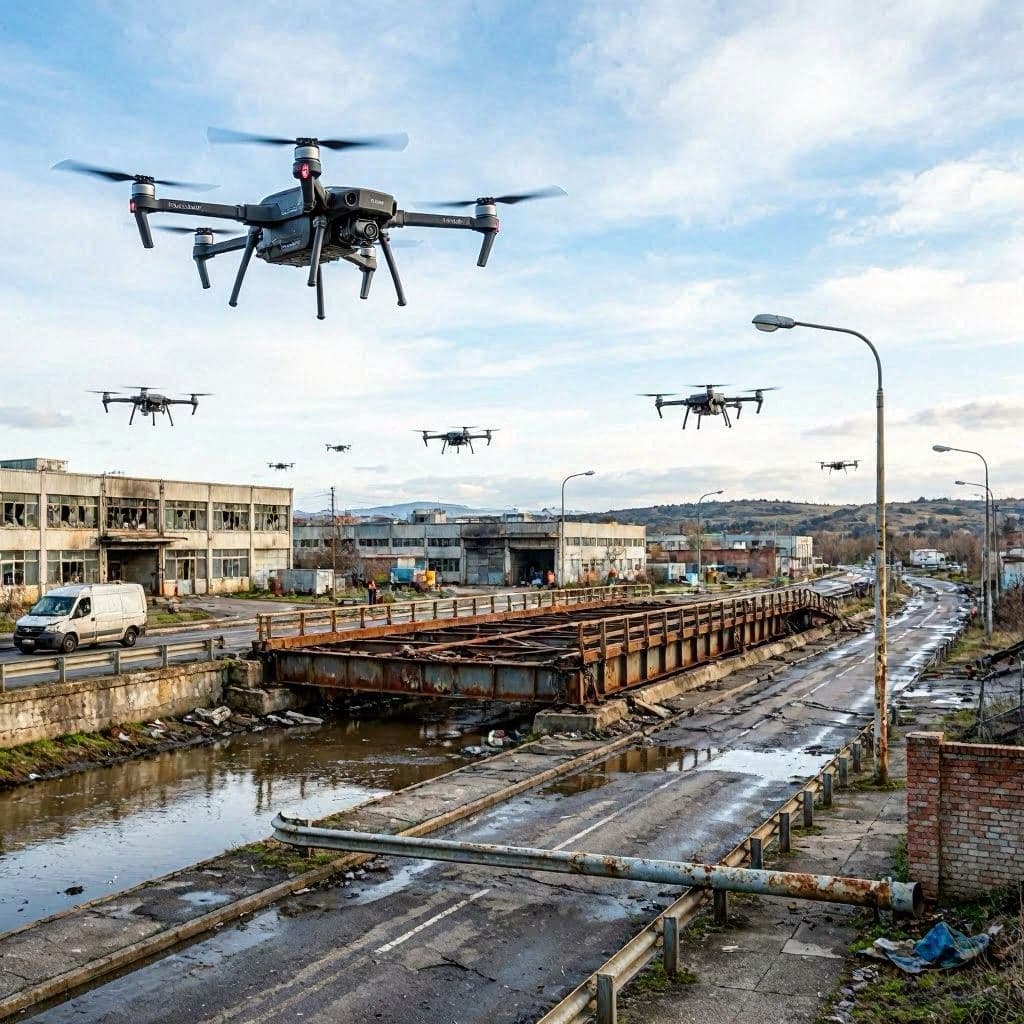
Recent developments in Ukraine have highlighted the expanding role of unmanned aerial systems in military operations. Both reconnaissance and attack drones have become essential tools for surveillance, logistics, and precision strikes, fundamentally altering tactical decisions across various fronts. Military analysts have observed that these drones enable commanders to collect intelligence more effectively and respond to rapidly changing battlefield conditions. Small unmanned aircraft provide real-time imagery, assist artillery units, and monitor troop movements, all while minimizing risks to personnel on the ground.
The adaptation of commercial technology for military purposes has garnered international attention. Engineers are continuously enhancing flight endurance, navigation systems, electronic protection, and communications to meet the demands of increasingly complex battlefield environments. This evolution reflects a broader trend in which military forces are integrating advanced technologies to maintain operational superiority.
In addition to drone deployment, experts emphasize the growing importance of electronic warfare. Tactics such as signal jamming, GPS interference, and counter-drone technologies have become integral components of military planning. Armed forces are now focused on reducing the effectiveness of opposing aerial systems, showcasing a shift in how conflicts are fought in the modern era.
Beyond military applications, researchers are investigating how drone technology impacts humanitarian efforts. Unmanned aircraft have been utilized for damage assessments, infrastructure inspections, and emergency responses following attacks or natural disasters. This dual-use nature of drone technology raises important questions about its implications for civilian safety and humanitarian law.
Defense specialists believe that the lessons learned from the Ukraine conflict will significantly influence military planning worldwide. Governments are reassessing procurement strategies, training requirements, and technological investments as unmanned systems become increasingly integrated into national defense frameworks. This shift underscores the necessity for military organizations to adapt to the evolving landscape of warfare.
International observers are also engaged in discussions regarding the legal and ethical considerations surrounding autonomous and remotely operated military technologies. Policymakers and defense organizations are evaluating how existing international humanitarian law applies to these rapidly evolving battlefield innovations, highlighting the need for a comprehensive framework to govern their use.
As the conflict in Ukraine continues, drones remain among the most visible symbols of changing military technology. Their expanding role illustrates how innovation is reshaping security strategies while presenting new operational opportunities and challenges for armed forces globally. The implications of these advancements will likely resonate far beyond the current conflict, influencing the future of warfare for years to come.
Published by Banx Network. This article is part of the Banx decentralized media programme, powered by the BXE token on the XRP Ledger.




