

Key Highlights
- Ongoing Conflict:Russia and Ukraine continue drone and missile exchanges.
- Civilian Impact:Significant casualties reported in Kyiv and other regions.
- Evolving Warfare:Drones redefine military strategies for both nations.
The conflict between Russia and Ukraine remains a focal point of global attention, illustrating the complexities of modern warfare. Recent developments have underscored how long-range drones are becoming pivotal in military operations, influencing both tactical decisions and humanitarian outcomes. As the situation evolves, each day brings new challenges and shifts in the battlefield landscape.
In the past week, both nations have intensified their use of drone and missile strikes, with reports indicating that civilian areas have suffered considerable damage. Ukrainian officials have confirmed that Russian attacks resulted in numerous casualties and extensive destruction in Kyiv, prompting a day of mourning in the capital. Rescue operations have been ongoing, with emergency services working tirelessly to locate survivors amidst the rubble of damaged residential buildings.
Conversely, Russia has claimed that its recent military actions are retaliatory measures against Ukrainian strikes targeting Russian infrastructure. The Russian Defense Ministry has stated that their operations aimed at military facilities and strategic targets, although the collateral damage to civilian areas has raised significant concerns. Ukrainian authorities have countered these claims, asserting that their drone operations are primarily focused on military assets rather than civilian infrastructure.
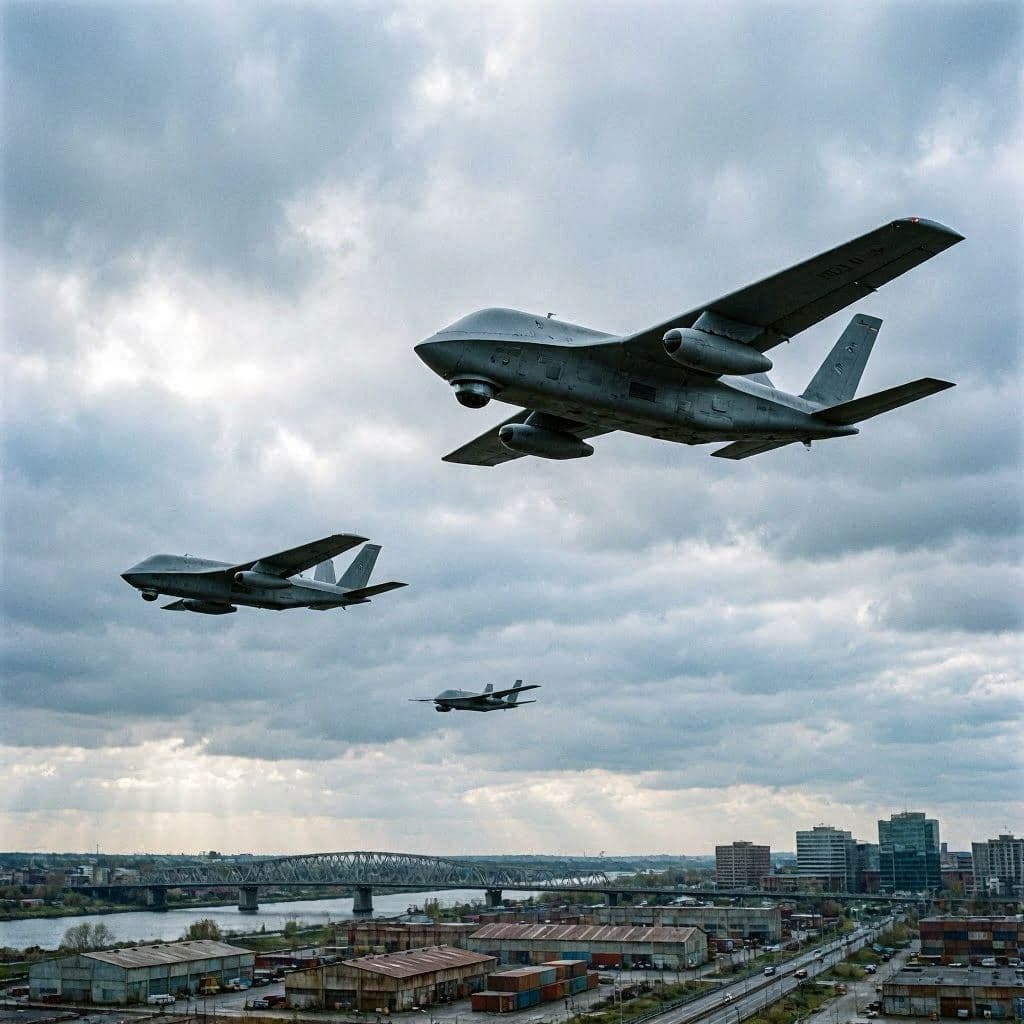
The reliance on drones has transformed the nature of the conflict, with both sides increasingly utilizing unmanned aerial systems for intelligence gathering and targeted strikes. Military analysts suggest that this shift not only reduces risks to personnel but also alters the strategic landscape of the war. The implications of drone warfare extend beyond immediate military objectives, influencing broader military planning and operational tactics.
Humanitarian issues remain at the forefront as the conflict continues. International organizations are closely monitoring the situation, as the ongoing attacks disrupt daily life and exacerbate the suffering of civilians. With damaged homes and essential services in disarray, local authorities are engaged in recovery efforts while emergency responders address the immediate needs of affected populations.
Despite the ongoing violence, diplomatic efforts persist, albeit without significant breakthroughs. Global leaders are advocating for measures to alleviate civilian suffering and promote dialogue, recognizing the urgent need for a resolution to the conflict. The international community remains vigilant, aware that each development in this ongoing struggle carries far-reaching consequences.
As the conflict evolves, the interplay between military technology and humanitarian concerns will continue to shape the narrative. The situation in Ukraine serves as a stark reminder of the complexities of modern warfare, where every new dawn brings the echoes of an unfinished conflict.
Published by Banx Network. This article is part of the Banx decentralized media programme, powered by the BXE token on the XRP Ledger.




