

Key Highlights
- Ongoing military operations in Ukraine continue to evolve amid strategic challenges.
- NATO officials report significant costs associated with Russian advances in personnel and equipment.
- Humanitarian organizations are actively providing support to affected civilian populations.
Military campaigns are often measured by maps and distances, yet behind every movement lies a far more complex reality. Progress on the battlefield is rarely defined by territory alone, as every advance carries strategic, logistical, and human consequences that cannot be captured by simple statistics. The ongoing conflict in Ukraine exemplifies this complexity, where each military maneuver has profound implications beyond mere geographical gains.
A senior NATO commander has stated that Russia's continued advance in parts of Ukraine has come at a significant cost in personnel and military equipment. This assessment reflects ongoing evaluations by allied defense officials as fighting continues across several sections of the front line. The situation remains fluid, with both sides adapting their strategies in response to the evolving battlefield dynamics.
According to NATO officials, Russian forces have maintained gradual offensive operations despite facing determined Ukrainian resistance. Military analysts noted that the pace of movement has remained relatively limited compared with earlier phases of the conflict. This slower tempo suggests that while Russia is making advances, it is doing so at a considerable cost, which may affect its long-term operational capabilities.
Ukrainian authorities reported ongoing defensive operations supported by artillery, drones, and fortified positions. Officials emphasized that protecting key locations remains a central objective while military units respond to changing battlefield conditions. The resilience of Ukrainian forces has been a significant factor in countering Russian advances, showcasing the importance of strategic planning and resource allocation in modern warfare.
Independent observers caution that precise casualty figures remain difficult to verify during active conflict. Defense experts therefore rely on multiple sources, satellite imagery, and operational assessments when evaluating the overall military situation. This reliance on varied data sources highlights the challenges of obtaining accurate information in a rapidly changing environment, where misinformation can easily spread.
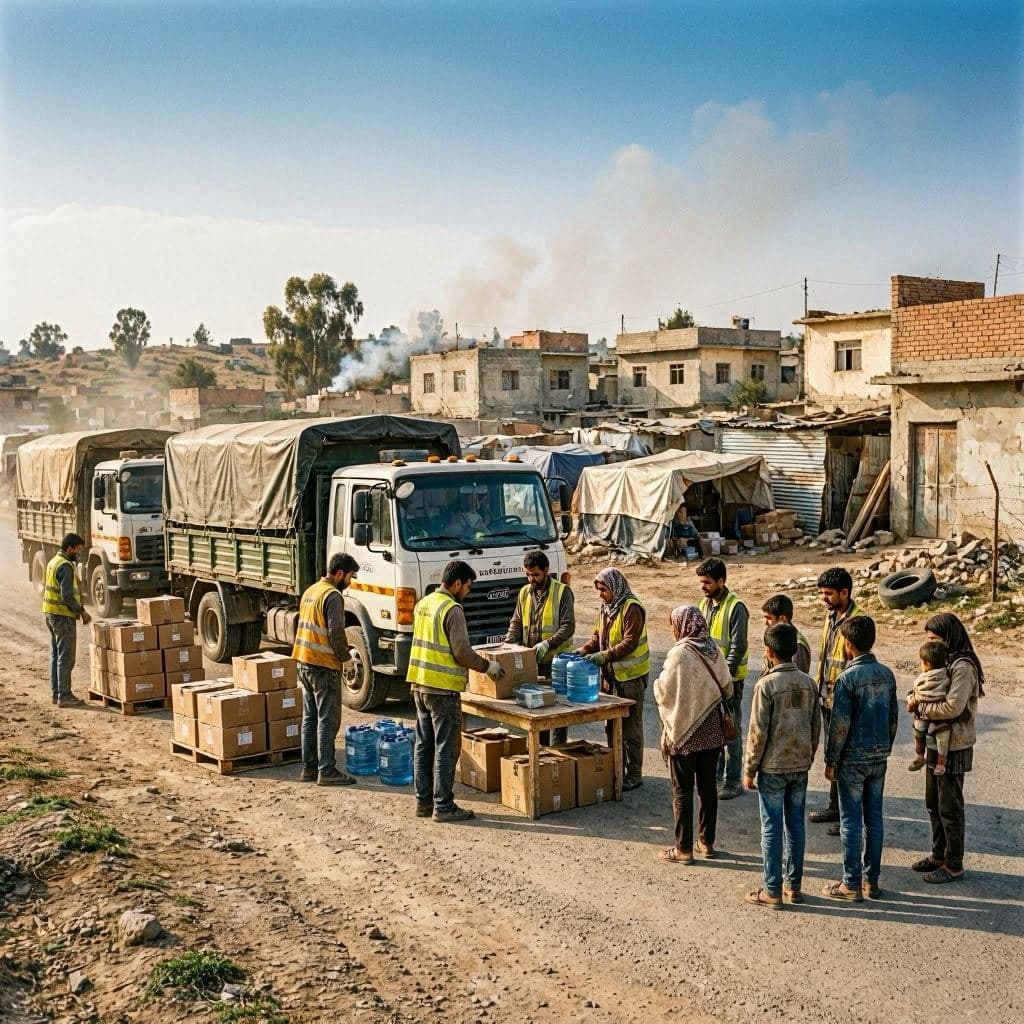
The conflict continues to affect civilian populations through displacement, infrastructure damage, and disruptions to essential public services. Humanitarian organizations remain engaged in providing food assistance, medical support, and shelter for communities impacted by continued fighting. The human cost of the conflict underscores the urgent need for comprehensive humanitarian responses to alleviate suffering.
Diplomatic efforts aimed at reducing hostilities have continued alongside military developments, although substantial differences remain between the parties involved. International leaders repeatedly emphasize the importance of pursuing peaceful solutions whenever opportunities arise. The interplay between military actions and diplomatic negotiations will be crucial in shaping the future of the region.
As military operations continue, analysts suggest that both strategic planning and diplomatic engagement will shape future developments. The evolving situation remains closely monitored by governments and international organizations seeking greater regional stability. The complexities of the conflict in Ukraine serve as a reminder that every military advance carries costs that extend far beyond the battlefield.
AI Image Disclaimer: The accompanying visual is AI-generated to illustrate the reported topic and is not an authentic battlefield photograph.
Published by Banx Network. This article is part of the Banx decentralized media programme, powered by the BXE token on the XRP Ledger.




