Medicine often advances through a series of careful steps rather than dramatic leaps. Small improvements in diagnosis, treatment, and technology gradually build a stronger understanding of disease and patient care. Recent scientific reports have highlighted several promising developments in neurological research and medical innovation, including advances related to Parkinson's disease.
Researchers are exploring new methods that could improve the early detection of Parkinson's disease, a neurological condition that affects movement and other bodily functions. Earlier diagnosis may allow patients and healthcare providers to make informed decisions about treatment and long-term care before symptoms become more severe.
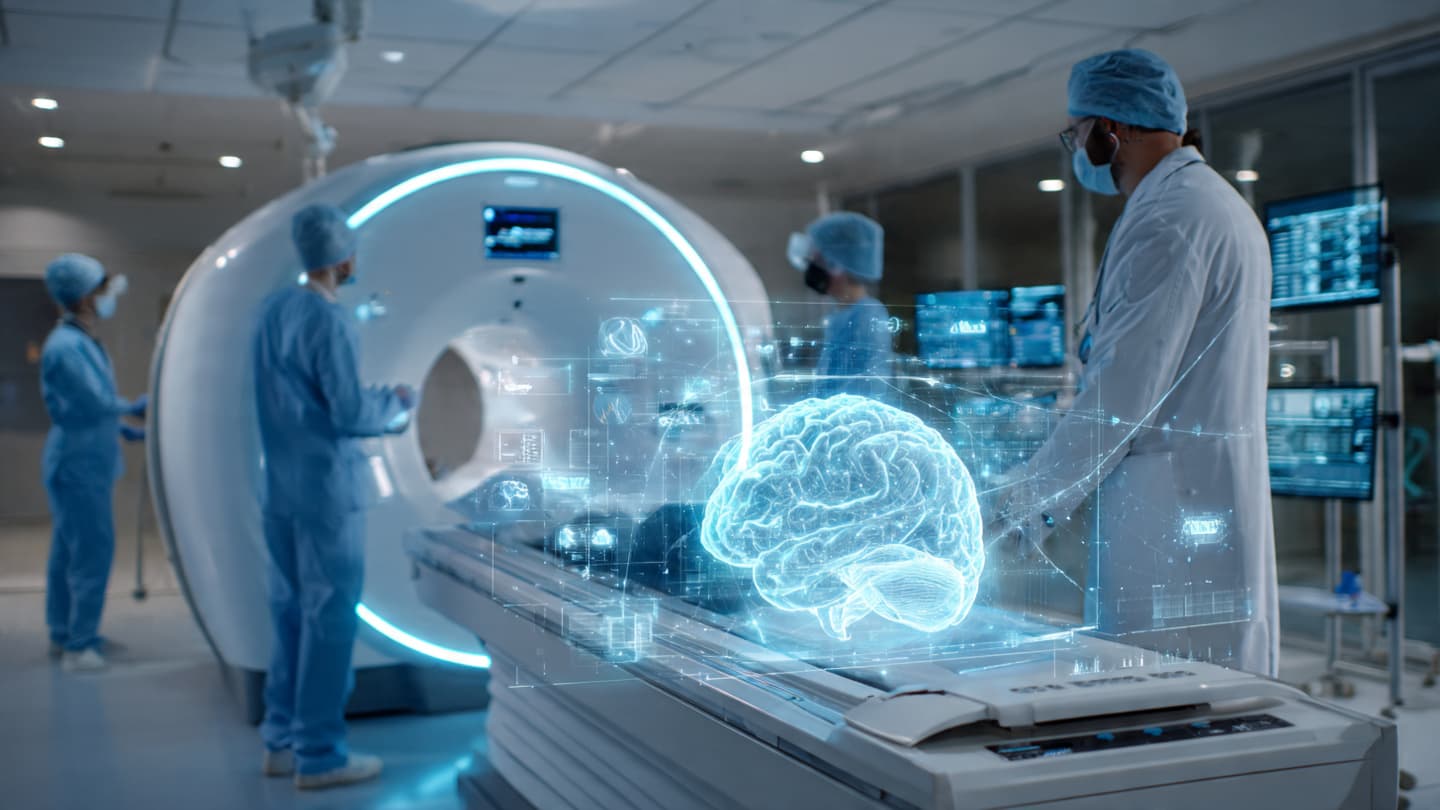
Scientists are developing advanced diagnostic tools that combine medical imaging, biological markers, and artificial intelligence to identify subtle changes associated with the disease. These technologies aim to improve accuracy while supporting clinicians in the evaluation process.
Another area of research involves focused ultrasound technology, which uses precisely directed sound waves to target specific regions of the brain. Researchers continue studying this approach as a potential treatment option for certain neurological conditions while evaluating its safety and effectiveness.
Artificial intelligence is also contributing to medical innovation by helping researchers analyze complex datasets and identify patterns that might otherwise remain hidden. These tools support ongoing efforts to understand disease progression and improve patient outcomes.
Parkinson's disease affects millions of people worldwide, encouraging international collaboration among scientists, physicians, and healthcare organizations. Research partnerships allow experts to share findings and accelerate the development of new diagnostic and therapeutic approaches.
Medical specialists emphasize that emerging technologies require careful clinical testing before becoming widely available. Regulatory review and long-term studies help ensure that new methods meet established standards for safety and effectiveness.
The recent advances highlighted by researchers demonstrate the steady progress being made in neuroscience and medical technology. While challenges remain, continued investment in scientific research offers hope for improved diagnosis, treatment, and quality of life for patients and families around the world.
AI Image Disclaimer: Some accompanying images may be AI-generated for educational and illustrative purposes.
Sources: Science News, medical research institutions, peer-reviewed journals
Published by Banx Network. This article is part of the Banx decentralized media programme, powered by the BXE token on the XRP Ledger.