
Key Highlights
- Drones are increasingly misused for criminal activities, raising security concerns.
- Authorities are implementing stricter regulations to ensure public safety.
- International cooperation is essential for effective drone regulation.
The rapid advancement of drone technology has transformed various sectors, from agriculture to emergency response. However, this innovation also brings significant challenges, particularly concerning its potential misuse. A recent security report has shed light on the alarming trend of drones being adapted for illegal activities, particularly in conflict zones like Ukraine. Law enforcement officials are increasingly vigilant about how these unmanned aerial systems, originally designed for legitimate purposes, are being exploited by organized crime.
According to security analysts, drones can facilitate unauthorized surveillance, transport illegal goods, and monitor law enforcement activities. While many drone operators adhere to aviation regulations, the rise in criminal applications has prompted authorities to enhance oversight and regulatory frameworks. This duality of innovation—where technology can serve both beneficial and harmful purposes—underscores the need for a balanced approach to regulation.
Technological advancements have made drones more sophisticated, with improvements in navigation, camera quality, and payload capacity. These enhancements have expanded their legitimate applications but have also created new security challenges. As a result, governments are responding by introducing stricter operational guidelines and enhancing airspace monitoring systems. The collaboration between aviation regulators and law enforcement agencies is crucial in addressing these challenges and ensuring that drone technology is used responsibly.
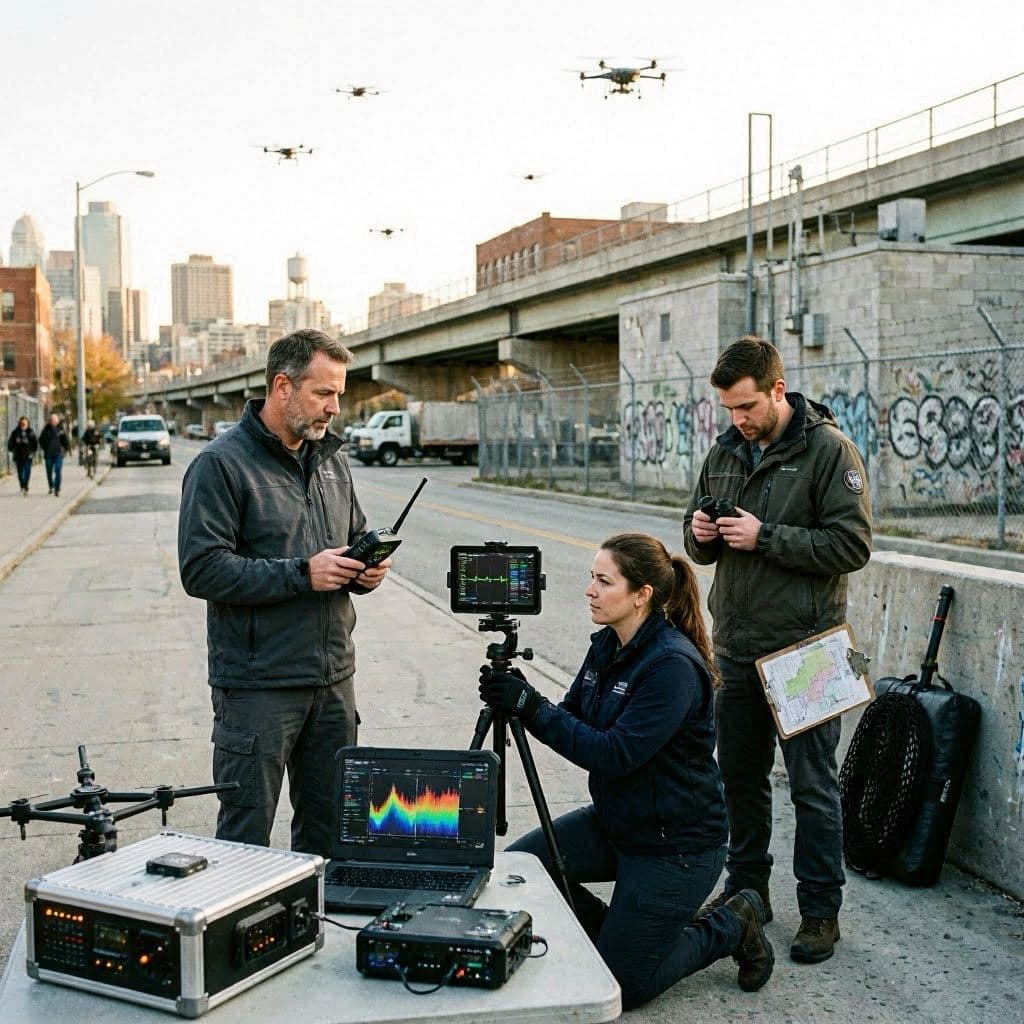
In addition to regulatory measures, experts emphasize the importance of developing effective counter-drone technologies. Tools such as radar systems and radio-frequency detection equipment are being evaluated to identify and mitigate unauthorized drone activities. This proactive approach is essential for maintaining public safety and preventing criminal exploitation of drone capabilities.
Despite the concerns surrounding drone misuse, researchers highlight that the majority of drone operations remain lawful and beneficial. Commercial operators are actively contributing to various sectors, including agriculture, infrastructure inspections, and scientific research. The positive impact of drones in these areas cannot be overlooked, as they provide valuable services that enhance efficiency and safety.
International organizations are also advocating for stronger cooperation among countries regarding drone regulations and information sharing. Such collaboration is vital for improving aviation safety and reducing the risks associated with emerging technologies. By working together, nations can develop comprehensive regulatory frameworks that address both the opportunities and responsibilities that come with drone innovation.
In conclusion, as drone technology continues to evolve, it is imperative that regulatory measures keep pace with advancements. Public awareness and international cooperation will play key roles in ensuring that drones are used safely and responsibly, maximizing their benefits while minimizing potential risks. The ongoing dialogue between technology developers, regulators, and the public will be essential in navigating the complexities of this rapidly changing landscape.
Published by Banx Network. This article is part of the Banx decentralized media programme, powered by the BXE token on the XRP Ledger.



