

Key Highlights
- Iran holds national funeral ceremonies for military leaders killed in conflict.
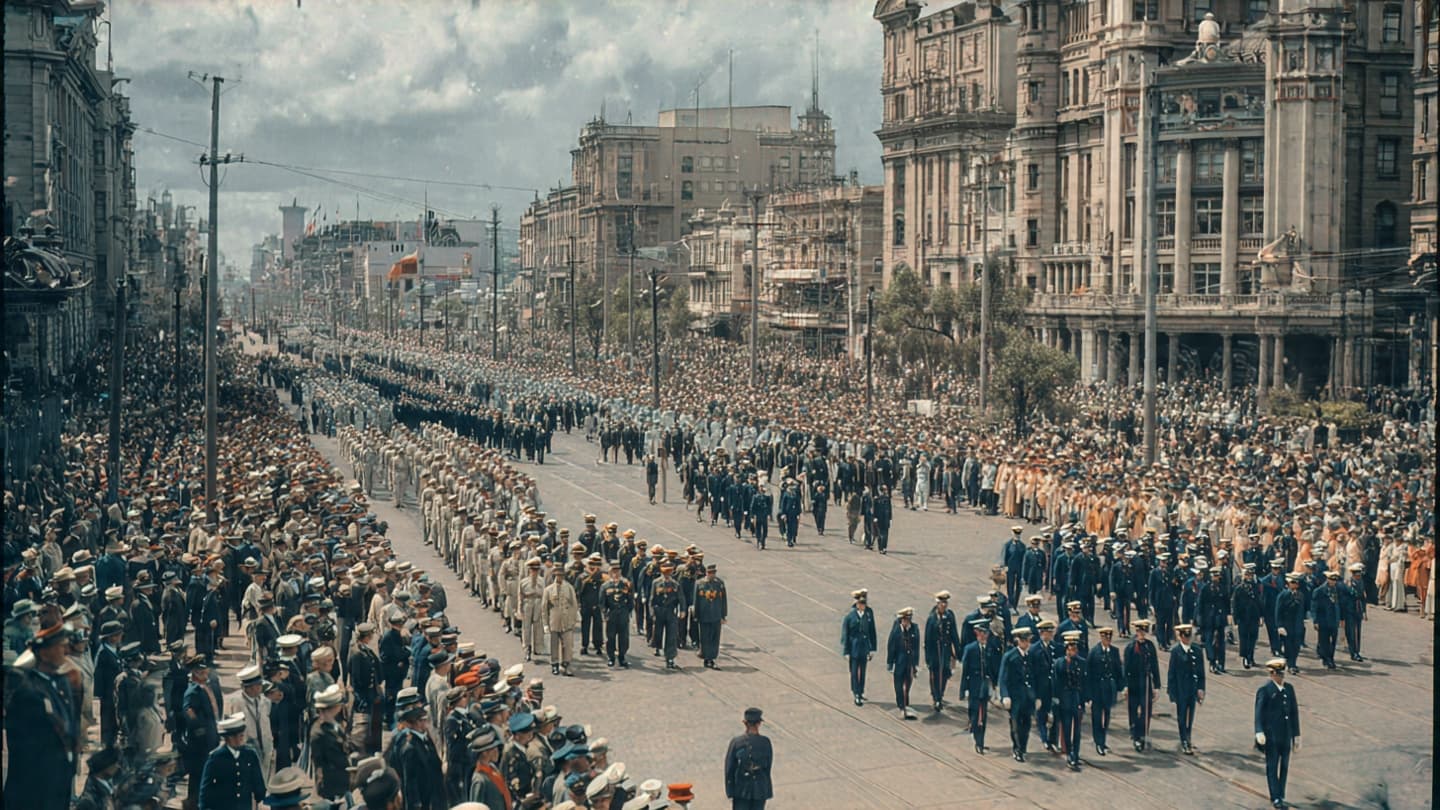
- Large crowds attended processions in Tehran, emphasizing national unity.
- International observers monitor developments amid ongoing diplomatic efforts.
Iran has been conducting national funeral ceremonies for senior officials and military commanders who lost their lives during recent conflicts. These ceremonies, marked by large crowds in Tehran and other cities, serve as a poignant reminder of the sacrifices made for the nation. State media have characterized these events as tributes to public service and national sacrifice, reflecting the deep emotional weight such occasions carry for the populace.
The ceremonies have seen participation from senior political leaders, military representatives, and religious figures, alongside thousands of citizens. Processions moved through major streets under heightened security, with officials delivering speeches that emphasized the importance of national unity during a time of regional uncertainty. The significant public attendance underscores the government's commitment to honoring those who have served the nation.
These funerals come on the heels of weeks of military confrontation that have raised international concerns across the Middle East. While the intensity of hostilities has lessened compared to earlier stages of the conflict, diplomatic efforts are ongoing as regional governments and international organizations strive to prevent further escalation and promote stability in the area.
International observers are closely monitoring the situation, as leadership transitions and military losses can significantly impact future diplomatic relations and regional security strategies. Neighboring countries have expressed a desire to reduce tensions and maintain dialogue through established diplomatic channels, highlighting the complex interplay of regional politics.
Analysts point out that state funeral ceremonies often serve multiple purposes beyond merely honoring the deceased. They reinforce institutional continuity, acknowledge public mourning, and demonstrate governmental stability during uncertain times. Historically, such ceremonies have played crucial roles in shaping national narratives following significant events, contributing to a collective memory that resonates with the populace.
Meanwhile, humanitarian organizations continue to stress the importance of protecting civilians in the region. Relief agencies are actively engaged in providing assistance where possible, while international leaders advocate for restraint and renewed diplomatic engagement to mitigate the risk of further violence.
Responses from foreign governments have varied, reflecting their respective diplomatic positions. Some have reiterated their support for de-escalation and dialogue, while others remain vigilant, monitoring security developments that could affect regional stability, energy markets, and broader international relations.
As the funeral ceremonies conclude, attention is increasingly directed toward the next chapter for the region. While remembrance remains central for those participating in the commemorations, diplomatic efforts continue behind the scenes as governments seek opportunities to reduce tensions and foster a more stable future across the Middle East.
Published by Banx Network. This article is part of the Banx decentralized media programme, powered by the BXE token on the XRP Ledger.




