

Key Highlights
- Vietnam's manufacturing sector shows solid growth in mid-2026.
- Export activity is bolstered by international demand in key industries.
- Foreign direct investment plays a crucial role in industrial expansion.
Vietnam's manufacturing sector has emerged as a significant player in the global economy, reflecting the country's ongoing economic transformation. Recent data from mid-2026 indicates that the sector has experienced robust growth, with exports rising across various industries, including electronics, textiles, machinery, and consumer goods. This expansion is not only a testament to Vietnam's industrial capabilities but also highlights its strategic position within global supply chains.
Government officials attribute this positive trend to several factors, including stable industrial production, diversified export markets, and sustained investment in manufacturing capacity. Over the past decade, Vietnam has worked diligently to establish itself as a key participant in international trade, leveraging its competitive production costs and improving manufacturing capabilities to attract foreign direct investment.
Foreign direct investment (FDI) has been instrumental in supporting Vietnam's industrial growth. International manufacturers have not only maintained their operations in the country but have also expanded their presence by developing new facilities across various industrial zones. This influx of investment has contributed to the country's economic resilience and its ability to adapt to changing global market conditions.
Trade experts emphasize that Vietnam's competitive edge lies in its ability to keep production costs low while enhancing its manufacturing capabilities. The government has also prioritized improvements in logistics and trade infrastructure, which have further facilitated the growth of the manufacturing sector. These developments have positioned Vietnam favorably in the eyes of global investors seeking stable production environments in Southeast Asia.
Despite the encouraging growth figures, analysts remain vigilant regarding potential global economic shifts that could impact export demand. Factors such as changes in international consumer spending, evolving trade policies, and supply chain dynamics are critical considerations for manufacturers operating in Vietnam. As the global market landscape continues to evolve, businesses must remain agile and responsive to these changes.
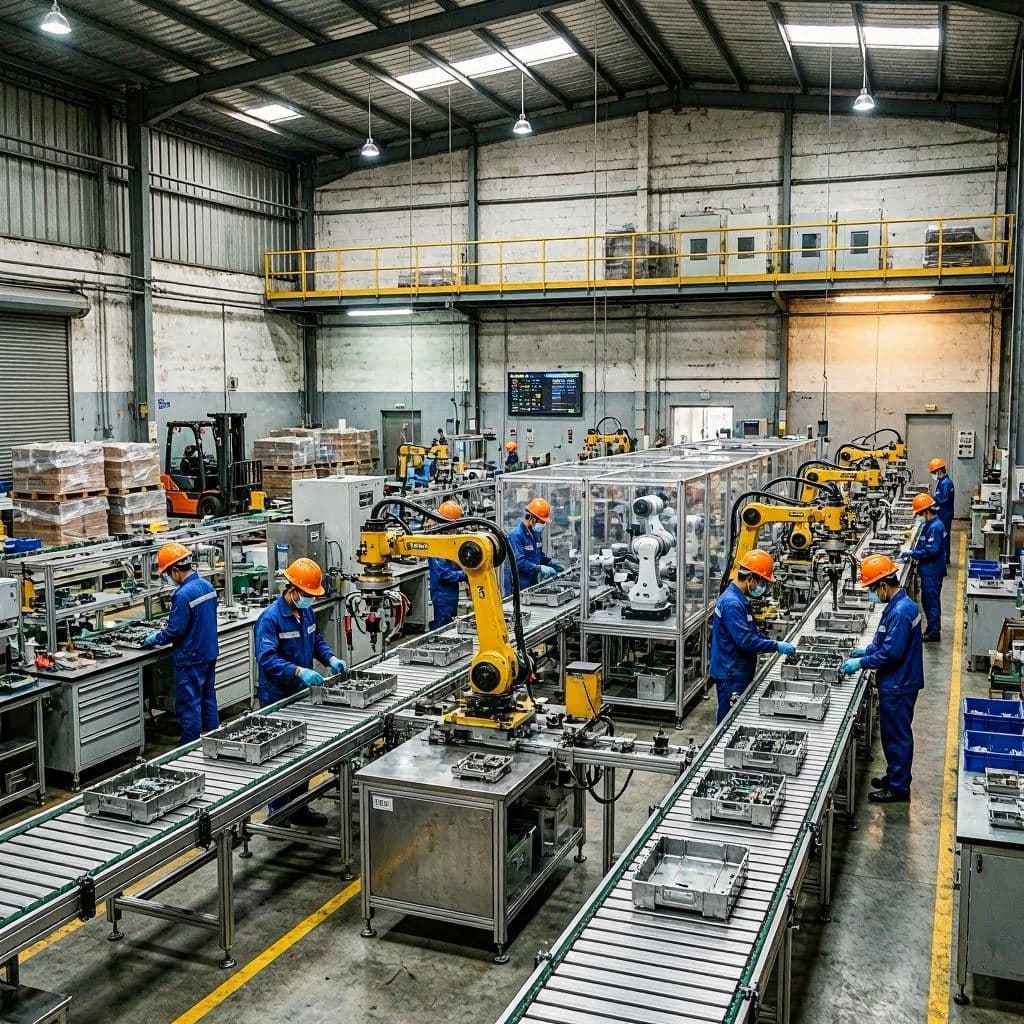
In response to these challenges, many companies are investing in automation and workforce development to enhance productivity and adapt to technological advancements. These strategic investments are expected to bolster Vietnam's long-term competitiveness in increasingly sophisticated manufacturing sectors, ensuring that the country remains a vital player in the global economy.
As Vietnam's manufacturing sector continues to thrive, it attracts the attention of investors looking for opportunities in a rapidly modernizing economy. The latest manufacturing figures underscore the country's ongoing role in international trade, with future performance hinging on its ability to maintain competitiveness and adapt to the ever-changing global market conditions.
Published by Banx Network. This article is part of the Banx decentralized media programme, powered by the BXE token on the XRP Ledger.




