

Key Highlights
- Electric vehicles (EVs) could significantly reduce greenhouse gas emissions.
- A recent analysis links road vehicle pollution to over 41,000 premature deaths in the U.S. in 2024.
- Upgrading infrastructure and energy systems is crucial for maximizing the benefits of electrification.
The journey toward cleaner transportation is not measured solely by the number of electric vehicles on the road. It is also reflected in the transformation of the systems that support mobility, including electricity grids and charging infrastructure. Across the United States, researchers are examining how transport electrification can contribute to long-term emissions reduction while ensuring reliable and affordable mobility.
Recent scientific studies and environmental analyses suggest that expanding the use of electric vehicles (EVs) could significantly reduce greenhouse gas emissions and improve public health when paired with cleaner electricity generation. Transportation remains one of the largest sources of emissions in the United States, making it a central focus of decarbonization strategies. A recent health analysis estimates that pollution from road vehicles contributed to more than 41,000 premature deaths in the U.S. during 2024. The report concludes that a faster transition toward zero-emission vehicles could prevent over 100,000 premature deaths and tens of thousands of childhood asthma cases by mid-century, provided that cleaner transportation is supported by continued improvements in energy systems.
However, scientists emphasize that electrification alone is not enough. The environmental benefits of electric vehicles depend heavily on how electricity is generated. As renewable energy expands across the national grid, the lifetime carbon footprint of electric vehicles continues to decline, making them increasingly effective as a climate mitigation strategy. The shift towards renewable energy sources is crucial for maximizing the positive impact of EVs on the environment.
At the same time, electricity demand is expected to grow as transportation, buildings, and data centers become increasingly electrified. Utilities and grid operators stress the importance of investing in transmission lines, battery storage, and modern grid technologies to ensure reliable electricity supplies during periods of high demand, including prolonged summer heat waves. This investment is essential to support the growing number of electric vehicles on the road and to maintain grid reliability.
Researchers further explain that careful planning will be essential to maximize the climate benefits of transport electrification. Upgrading charging infrastructure, expanding renewable generation, and improving transmission capacity can help ensure that electric vehicles are powered by lower-carbon electricity while maintaining grid reliability as adoption increases. This strategic approach will be vital in addressing the challenges posed by increased electricity demand.
Policy remains another important factor shaping the pace of electrification. Government incentives, infrastructure investment, and technological innovation all influence consumer adoption and private-sector investment. While policy approaches may evolve over time, analysts generally agree that long-term planning provides greater certainty for manufacturers, utilities, and consumers alike. Effective policy frameworks can accelerate the transition to electric vehicles and support the necessary infrastructure improvements.
As the United States continues modernizing both its transportation and energy systems, electrification is increasingly viewed as one element of a broader transition rather than a single solution. Combined with cleaner electricity generation, improved infrastructure, and continued technological progress, transport electrification offers a practical pathway toward reducing emissions while supporting economic development and public health.
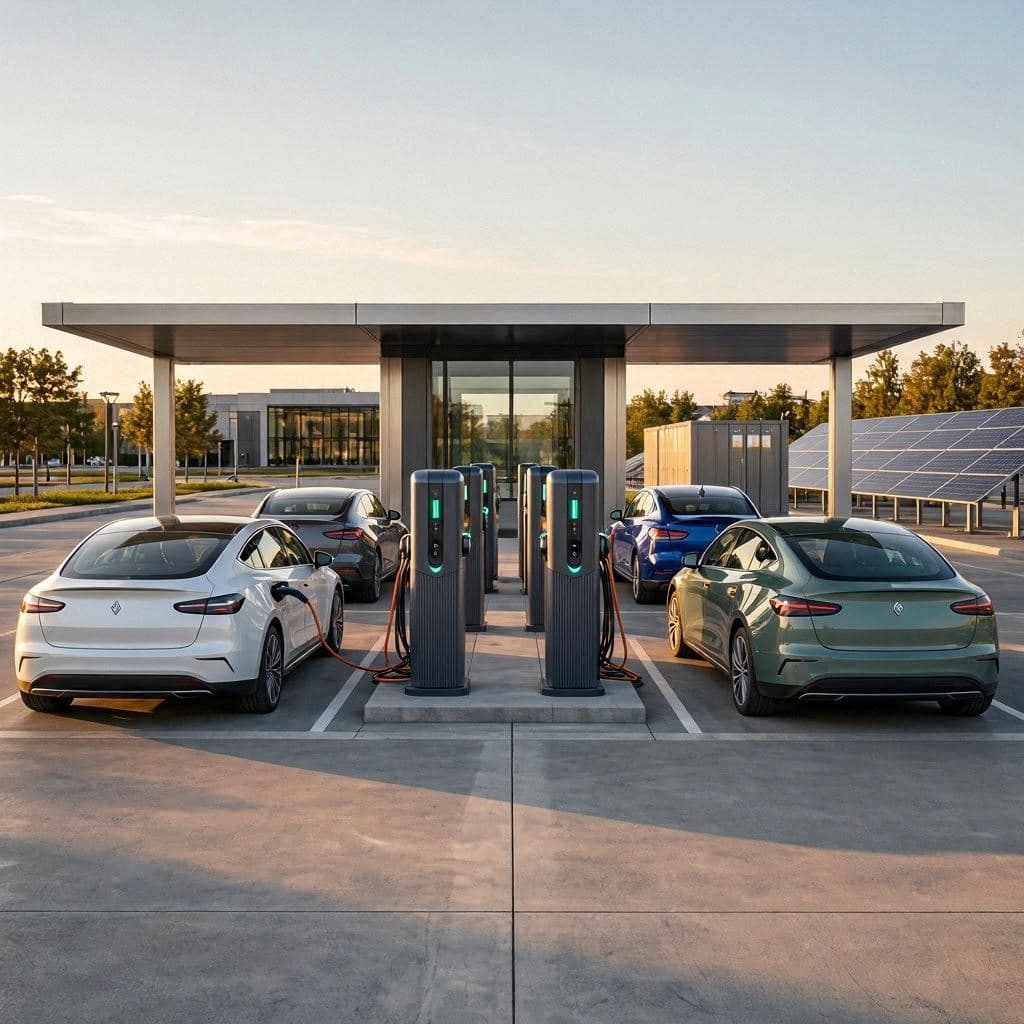
AI Image Disclaimer: The illustrations accompanying this article are AI-generated visualizations created to support the scientific topic and do not represent actual photographs.
Published by Banx Network. This article is part of the Banx decentralized media programme, powered by the BXE token on the XRP Ledger.




