
Key Highlights
- Australia is investing heavily in AI infrastructure, prompting national debate.
- Concerns arise over the environmental impact of data centers.
- Industry advocates emphasize the need for sustainable energy solutions.
Australia is currently at the forefront of a national debate regarding the rapid expansion of artificial intelligence (AI) infrastructure, particularly in the form of data centers. These facilities, often described as digital factories, are crucial for supporting the burgeoning AI economy. As the demand for advanced computing capabilities grows, so too does the urgency for investment in these infrastructures. However, this growth is not without its challenges, as stakeholders grapple with the implications for energy consumption and environmental sustainability.
Supporters of AI infrastructure argue that it is vital for maintaining Australia's economic competitiveness. The potential benefits of advanced computing extend across various sectors, including healthcare, education, finance, and scientific research. Proponents assert that without significant investment in data centers, Australia risks falling behind in the global race for technological advancement.
Conversely, critics have raised alarms about the substantial electricity and water demands associated with large-scale data centers. These facilities require vast amounts of energy, which can strain existing power systems, especially during peak demand periods. Environmental advocates warn that unchecked expansion could exacerbate climate change and lead to unsustainable resource consumption.
Energy analysts emphasize the need for strategic planning to address these challenges. They suggest that collaboration among technology companies, utility providers, and government entities will be essential in developing a sustainable framework for AI infrastructure. Investments in renewable energy sources and modernization of the electrical grid are seen as critical steps to mitigate the environmental impact of data centers.
Local communities are also voicing concerns about land use and the long-term sustainability of these developments. Some local governments are pushing for greater transparency regarding the resource requirements of proposed data centers, seeking assurances that environmental impacts will be minimized. This grassroots activism highlights the need for a balanced approach that considers both economic growth and community well-being.
Industry representatives maintain that advancements in technology are helping to improve the efficiency of data centers. Innovations in cooling technologies, chip architectures, and renewable energy agreements are being touted as solutions to reduce the environmental footprint of these facilities. However, the effectiveness of these measures remains to be seen as demand for AI capabilities continues to rise.
The ongoing national conversation in Australia reflects a broader global challenge: how to embrace digital transformation while ensuring that the infrastructure supporting it is sustainable, resilient, and accountable to the public. As the debate unfolds, it will be crucial for all stakeholders to work together to find solutions that balance the benefits of AI with the imperative of environmental stewardship.
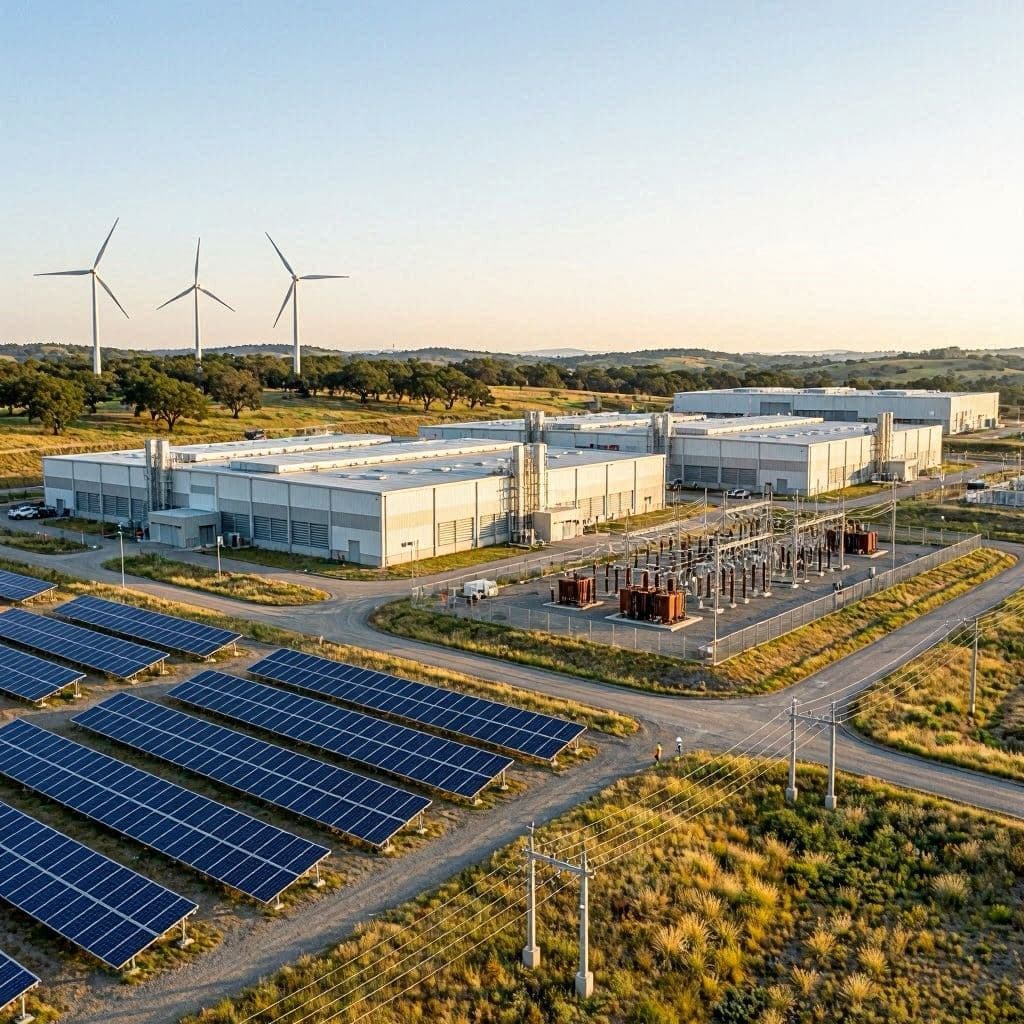
AI-generated image disclaimer: The accompanying visuals are AI-generated illustrations created for editorial presentation and informational purposes.
Published by Banx Network. This article is part of the Banx decentralized media programme, powered by the BXE token on the XRP Ledger.



