

Key Highlights
- Rapid AI infrastructure growth in Australia prompts national discussions.
- Balancing innovation with sustainability is a key concern.
- Local governments emphasize community engagement in planning.
Australia is currently experiencing a pivotal moment in its technological landscape as the rapid expansion of artificial intelligence (AI) infrastructure ignites a national debate. This discussion transcends mere technological advancement, delving into critical issues of sustainability, economic development, and long-term national planning. As the country invests heavily in AI capabilities, stakeholders from various sectors are weighing the implications of this growth.
The surge in investment has led to proposals for large-scale data centers and high-performance computing facilities, drawing attention from government agencies, technology firms, environmental organizations, researchers, and local communities. The challenge lies in balancing the need for innovation with responsible development practices that consider environmental impacts and community needs.
The global demand for computing power to support advanced AI applications is a significant driver of this expansion. Industries ranging from scientific research and healthcare to finance and education require vast processing capabilities, which modern data centers provide. As Australia positions itself as a leader in the digital economy, the establishment of advanced computing facilities is seen as essential for attracting international investment and creating skilled jobs.
However, the rapid growth of AI infrastructure has raised alarms among environmental experts. Concerns about electricity consumption, water usage for cooling systems, and the sustainability of these facilities have prompted calls for clearer environmental standards. Organizations are advocating for greater transparency regarding the operational impacts of new data centers, emphasizing the need for a balanced approach to development.
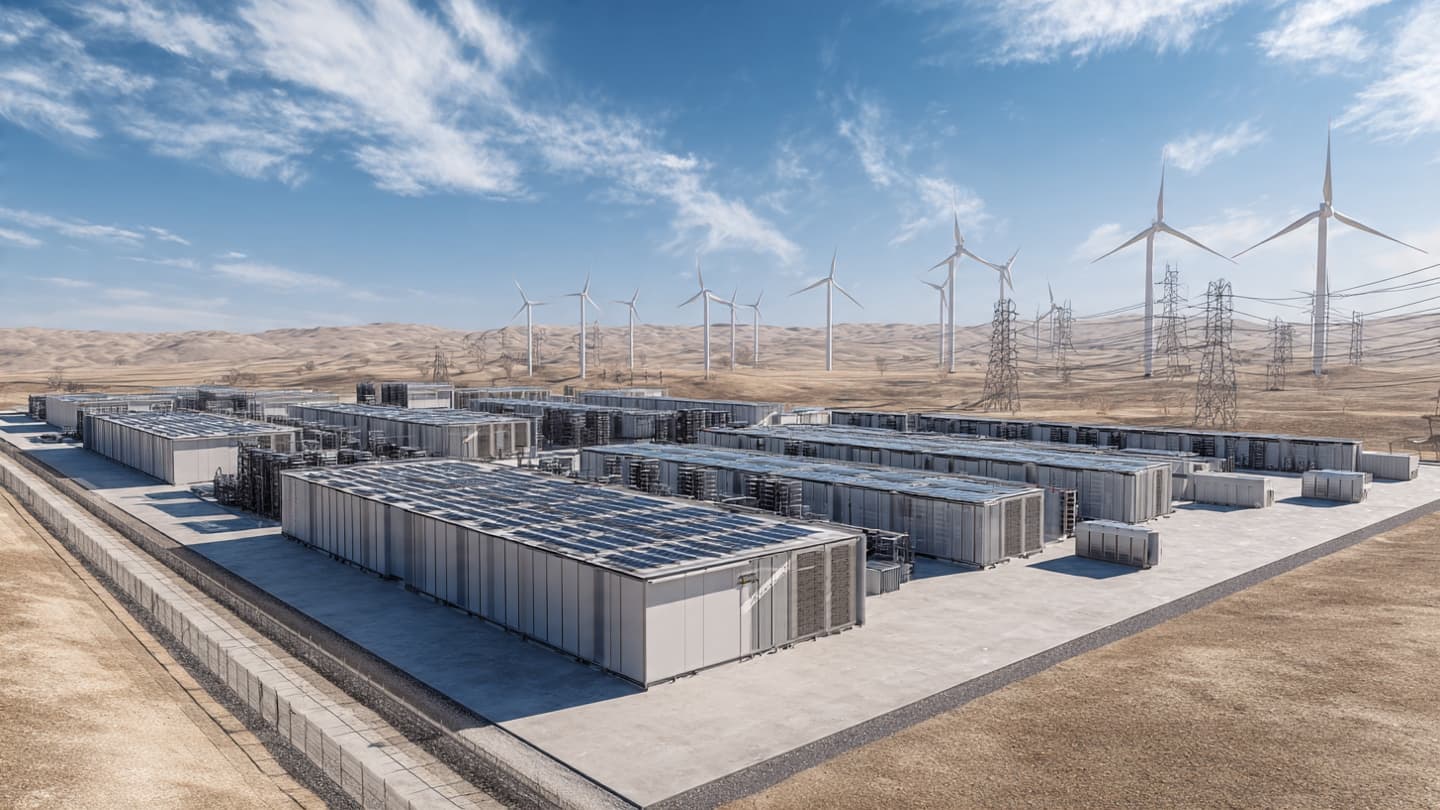
Energy analysts suggest that Australia's transition to renewable energy sources could play a crucial role in supporting the growth of AI infrastructure. Investments in solar energy, wind power, and battery storage are seen as vital to meeting the increasing demand for energy while minimizing carbon emissions associated with large-scale computing operations. This shift towards renewable energy could help mitigate some of the environmental concerns raised by critics.
Local governments are actively engaging in discussions about land use, infrastructure planning, and community involvement. Officials stress that successful development will require collaboration among policymakers, private industry, environmental experts, and residents. Ensuring that new projects benefit local communities while contributing to the broader economy is a priority for many stakeholders.
As the debate continues, there is a consensus that artificial intelligence will remain a significant driver of future innovation. The challenge for Australia is not merely to expand its digital infrastructure but to do so in a manner that is economically beneficial, environmentally sustainable, and socially responsible. The decisions made today will shape the technological landscape for generations to come.
AI Image Disclaimer: The visuals accompanying this article are AI-generated illustrations created for editorial presentation.
Published by Banx Network. This article is part of the Banx decentralized media programme, powered by the BXE token on the XRP Ledger.




