

Key Highlights
- Digital forensics is crucial in modern criminal investigations.
- Laboratories are investing in advanced technologies and training.
- AI tools are enhancing evidence analysis efficiency.
Digital footprints are more than just traces of online activity; they are vital components in the realm of criminal investigations. In today's technology-driven world, devices such as smartphones, computers, and cloud storage systems continuously record fragments of our daily lives. This digital evidence is increasingly being utilized to support law enforcement efforts in solving crimes. As the landscape of technology evolves, forensic laboratories are adapting to meet the challenges posed by new digital evidence.
Across various countries, crime laboratories are expanding their digital forensic capabilities. This expansion is fueled by significant investments in specialized software, advanced computing systems, and comprehensive training for investigators. These enhancements enable forensic specialists to analyze larger volumes of electronic evidence more efficiently, which is essential in a time when digital data is proliferating.
Digital forensics has become integral to investigations involving a wide range of criminal activities, including financial crimes, cybercrime, fraud, and organized crime. Electronic records often complement traditional forensic evidence collected at crime scenes, providing a more comprehensive view of the circumstances surrounding a crime. Modern laboratories are equipped to examine a variety of digital sources, including smartphones, computers, surveillance systems, vehicle data, cloud services, and encrypted storage devices. They adhere to strict procedures designed to preserve the integrity of the evidence throughout the investigative process.
The integration of artificial intelligence and automated analytical tools is revolutionizing the field of digital forensics. These technologies assist investigators by organizing vast datasets, identifying relevant digital patterns, and expediting the evidence review process. While AI enhances efficiency, it does not replace the need for expert human analysis, which remains crucial in interpreting complex digital evidence.
As the complexity of digital evidence increases, laboratory accreditation has become more essential. Standardized procedures ensure that electronic evidence is scientifically reliable and legally admissible in court. This reliability is paramount in maintaining the integrity of the judicial process, as the stakes are high when it comes to criminal prosecutions.
Training for digital forensic specialists is also a priority. As technology evolves, these professionals must regularly update their technical knowledge to keep pace with rapidly changing software, communication technologies, and cybersecurity threats. This ongoing education is vital for ensuring that investigators can effectively navigate the complexities of modern digital evidence.
In conclusion, as criminal investigations become more intertwined with digital technology, the expansion of forensic capabilities is crucial. These advancements not only enhance the ability of investigators to analyze evidence accurately but also uphold the scientific standards necessary for fair judicial outcomes. The future of criminal investigations will undoubtedly continue to be shaped by the growing influence of digital forensics, making it an essential area of focus for law enforcement agencies worldwide.
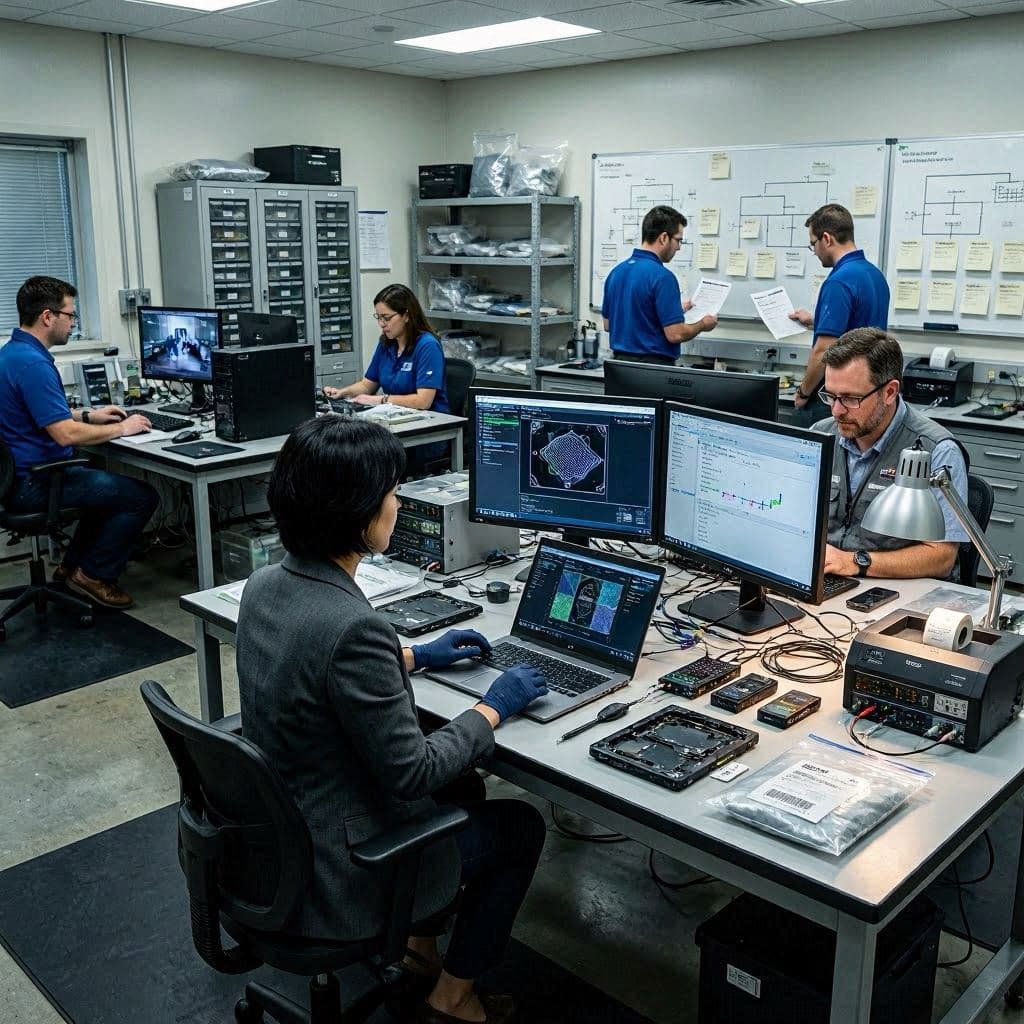
AI-generated image disclaimer: The accompanying illustration was created using AI for visual support and is not an actual crime laboratory image.
Published by Banx Network. This article is part of the Banx decentralized media programme, powered by the BXE token on the XRP Ledger.




