Every day, the universe offers a different perspective to those willing to look upward. Sometimes it is a distant galaxy whose light began its journey before humanity existed. At other times, it is a nearby planet, a passing comet, or a quiet stretch of the Milky Way arching across the night sky. Through a single carefully selected image each day, NASA's Astronomy Picture of the Day has transformed these moments into a shared visual diary of the cosmos.
Known worldwide as APOD, Astronomy Picture of the Day was launched on June 16, 1995, as a public outreach initiative dedicated to making astronomy accessible to everyone. Each day, the website publishes one astronomical image or photograph accompanied by a detailed explanation written by professional astronomers. The project is edited by Robert Nemiroff of Michigan Technological University and Jerry Bonnell of the University of Maryland, with support from NASA.
The featured images come from a wide range of sources. Spacecraft operated by NASA and other international agencies contribute close-up views of planets, moons, and asteroids. Space telescopes such as Hubble and the James Webb Space Telescope reveal distant galaxies and stellar nurseries, while observatories on Earth and independent astrophotographers capture eclipses, auroras, nebulae, and meteor showers. Each image is selected not only for its scientific value but also for its ability to inspire curiosity about the universe.
Unlike a conventional news service, APOD focuses on education rather than breaking events. Some featured images document recent discoveries, while others revisit well-known celestial objects using new observing techniques or artistic perspectives. Every entry includes an explanation describing the scientific significance of the image, helping readers understand the physical processes behind what they see.
Over more than three decades, APOD has built an extensive archive containing thousands of astronomy images and educational articles. Students, teachers, researchers, and astronomy enthusiasts frequently use the collection as a reference for learning about planets, stars, galaxies, black holes, supernova remnants, and other astronomical phenomena. The archive also reflects the rapid evolution of astronomical technology, documenting discoveries made by increasingly powerful telescopes and spacecraft.
The project has become an international resource through translations into numerous languages and mirror websites maintained by educational organizations around the world. This broad accessibility has allowed people from diverse backgrounds to engage with scientific discoveries regardless of where they live. By combining accurate scientific explanations with striking imagery, APOD demonstrates how astronomy can connect professional research with public understanding.
Behind every featured image lies a collaboration involving scientists, engineers, mission teams, and photographers. Whether documenting a nearby lunar eclipse or a galaxy billions of light-years away, each selection reflects years of technological development and scientific observation. The daily format also reminds readers that exploration is an ongoing process, with new perspectives emerging as instruments improve and discoveries accumulate.
Astronomy Picture of the Day continues to serve as one of NASA's most enduring educational initiatives. By presenting a new window into the universe every day, it encourages both seasoned astronomers and first-time visitors to appreciate the scale, complexity, and beauty of the cosmos. In an age of rapidly changing information, the project quietly demonstrates that scientific curiosity can be renewed with every sunrise—and every new image of the sky.
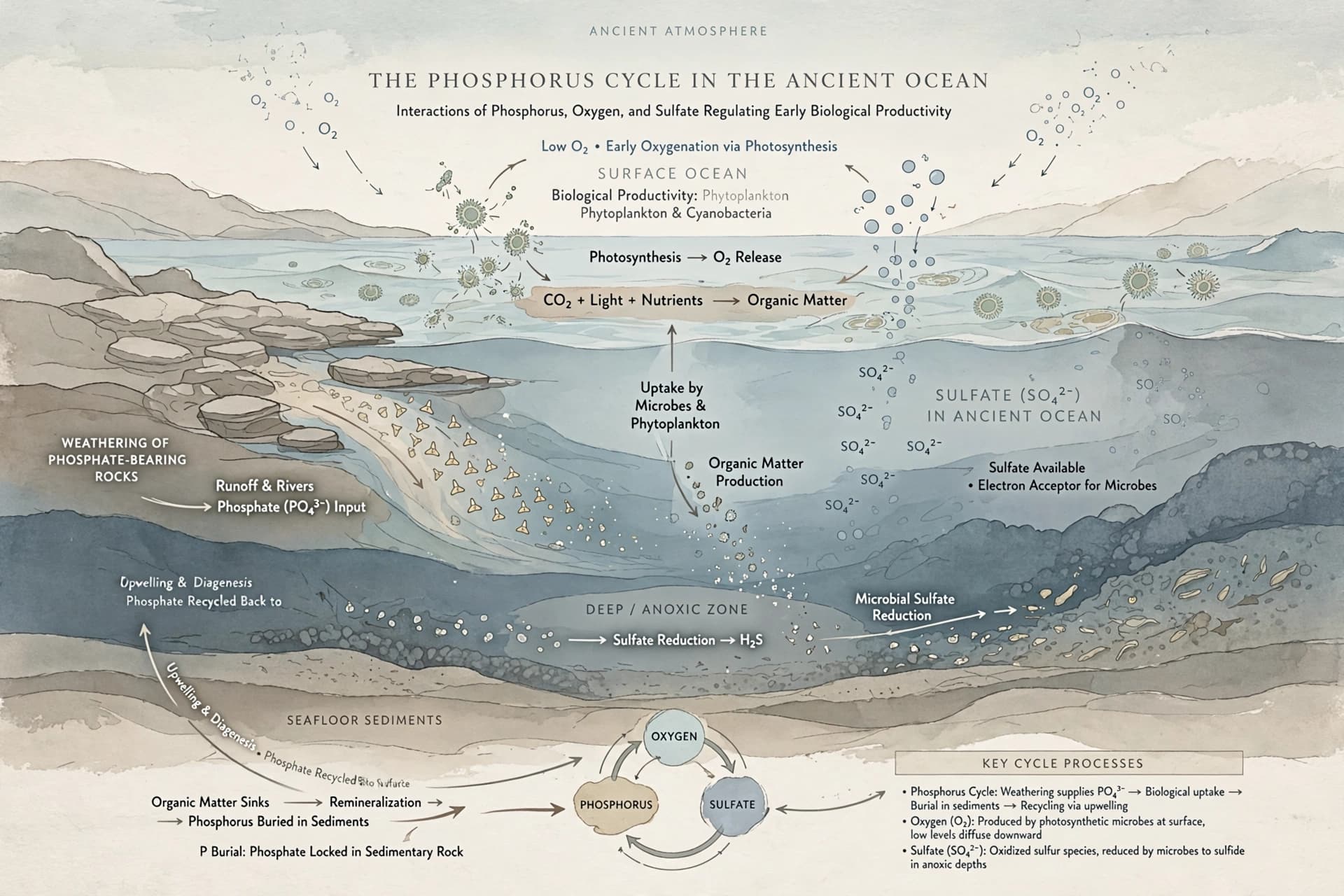
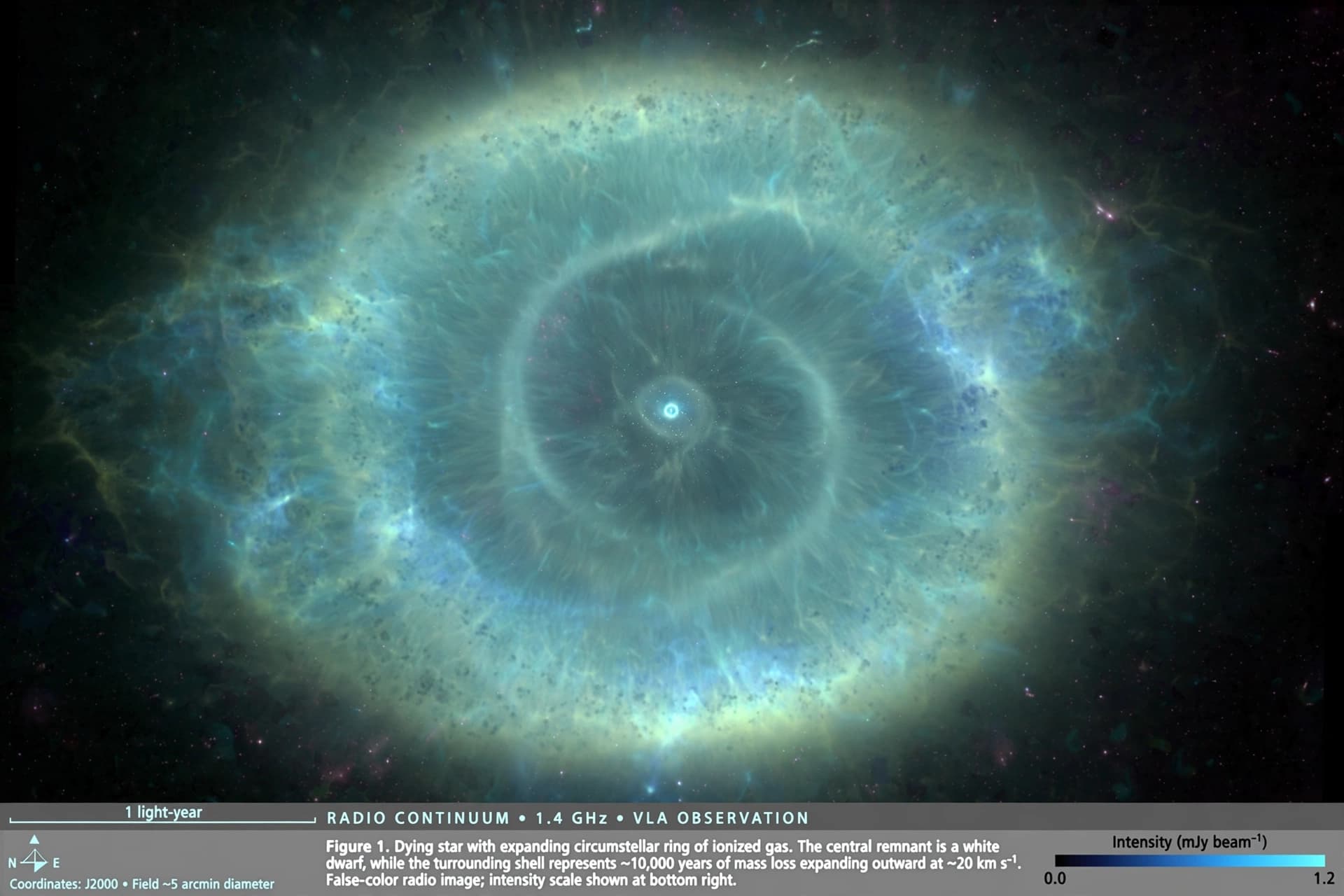
AI Image Disclaimer: The illustrative images accompanying this article are AI-generated visual representations inspired by NASA's Astronomy Picture of the Day and are not official APOD images.
Sources (Verified):
NASA Astronomy Picture of the Day (APOD) NASA Goddard Space Flight Center Space.com
Published by Banx Network. This article is part of the Banx decentralized media programme, powered by the BXE token on the XRP Ledger.