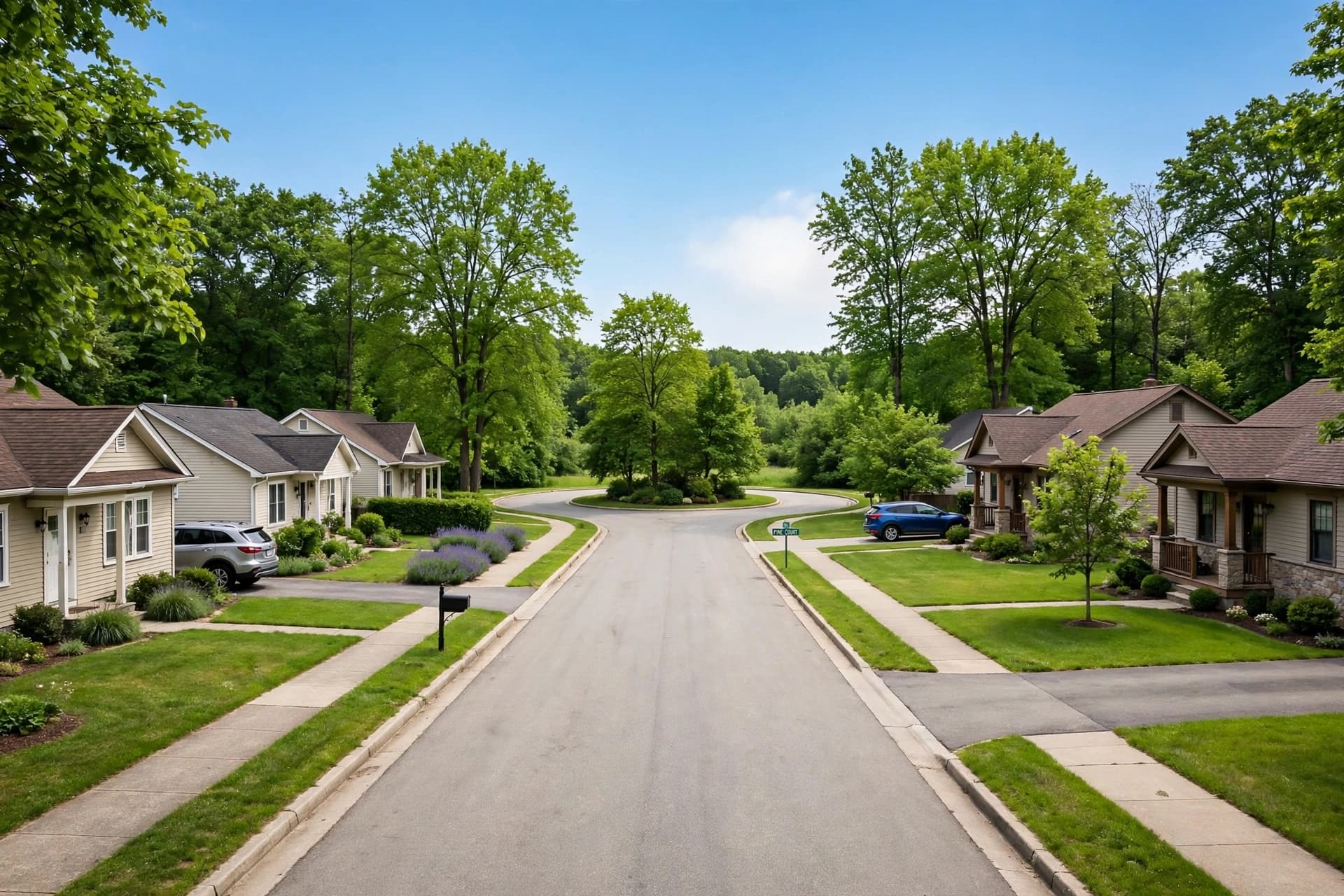
In Sydney, the cul-de-sac carries a nearly ideal image of residential life—no through traffic, children riding bikes in the street, a certain unspoken understanding among neighbors. This street form, known as the cul-de-sac, has long been regarded as a sanctuary for family life, a pause beyond the noise of the city. Yet as the city's housing pressure gradually seeps into every quiet street end, that pause begins to reveal its internal tension.
Recently, disputes over cul-de-sac development have surfaced in places like Mosman on Sydney's north shore and Riverwood in the southwest. In Mosman, a proposed eight-story apartment building worth fifty million dollars on Almora Street triggered strong reactions from residents. In an anonymous video, a retired local resident said these developments would not make housing more affordable. "We want young people to live in this area," she said, "but they simply cannot afford it. These developments will only push prices higher." The 2021 census for Mosman showed that 42.2 percent of the population was aged 50 and over, while planning reforms would add 500 homes in the area.
A similar scene is unfolding in Riverwood in southwest Sydney. The New South Wales Land and Housing Corporation proposed a three-story, 29-unit social housing building on Hardwicke Street, intended for residents aged 60 and over at risk of homelessness, most of them women. The block is currently mostly single- and two-story homes. Residents' objections, submitted to the state government through their local member, described the project as disrupting "the quiet atmosphere of the street" and bringing "unnecessary privacy intrusions," since upper-floor residents would be able to look into neighbors' backyards. Meanwhile, New South Wales social housing waiting lists have exceeded 62,500 people.
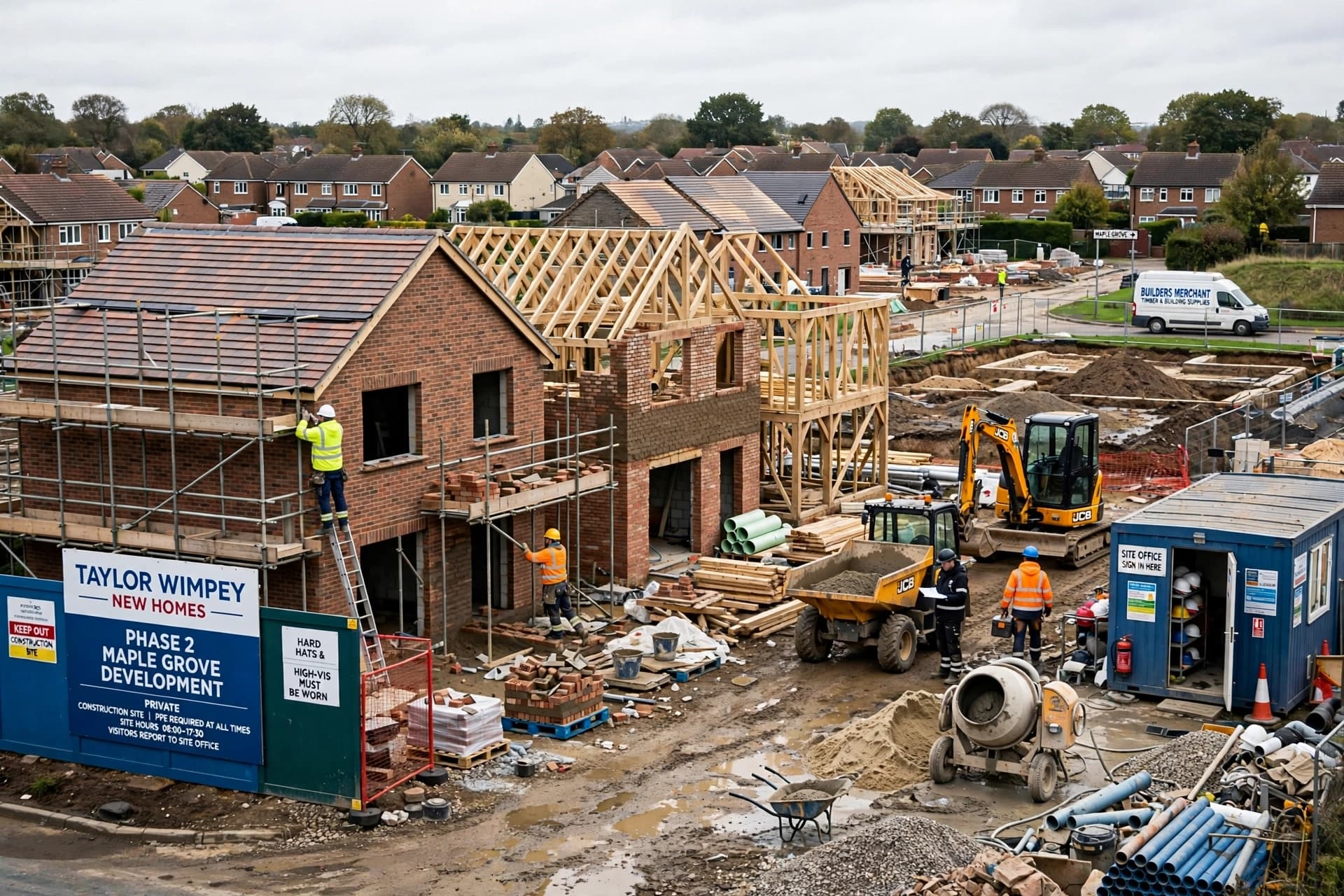
The core of these disputes is not complicated. Cul-de-sacs are valued precisely for their enclosure—limited entrances, lower traffic volumes, a predictable neighborhood composition. This enclosure protects the tranquility within the street, but it also means that any added density will change its physical and social fabric in more visible ways. When a three-story building rises among single-story homes, it does not merely add two dozen dwelling units. It changes the scale, sightlines, and rhythm of the street.
Opponents' voices are often labeled "NIMBYism." New South Wales Planning Minister Paul Scully said at a recent summit that "NIMBYism" has dominated for too long and that Sydney's economic development is being stifled by layers of red tape and resistance to change. Scully acknowledged that New South Wales is "further behind than we would like" in meeting national housing targets but said recent planning reforms are "starting to show results."
Yet what those living in cul-de-sacs value is not entirely selfish. Specific concerns about sunlight, privacy, parking, and street safety are reasonable reactions anyone might have when their home environment changes. The question is how, when the entire city faces housing shortage pressure, a balance can be found between an individual's reasonable expectation of a quiet life and the broader need for housing.
The fate of the cul-de-sac may be a microcosm of Sydney's housing debate. It is quiet, specific, yet it touches on larger questions about who the city should accommodate and in what way. The stories at the end of those streets will not disappear simply because no one is listening.
---
AI Image Disclaimer: The illustrations in this report were generated using artificial intelligence tools and do not depict real persons or locations.
Sources: The Daily Telegraph, Daily Mail Australia, The Sydney Morning Herald
Published by Banx Network. This article is part of the Banx decentralized media programme, powered by the BXE token on the XRP Ledger.