

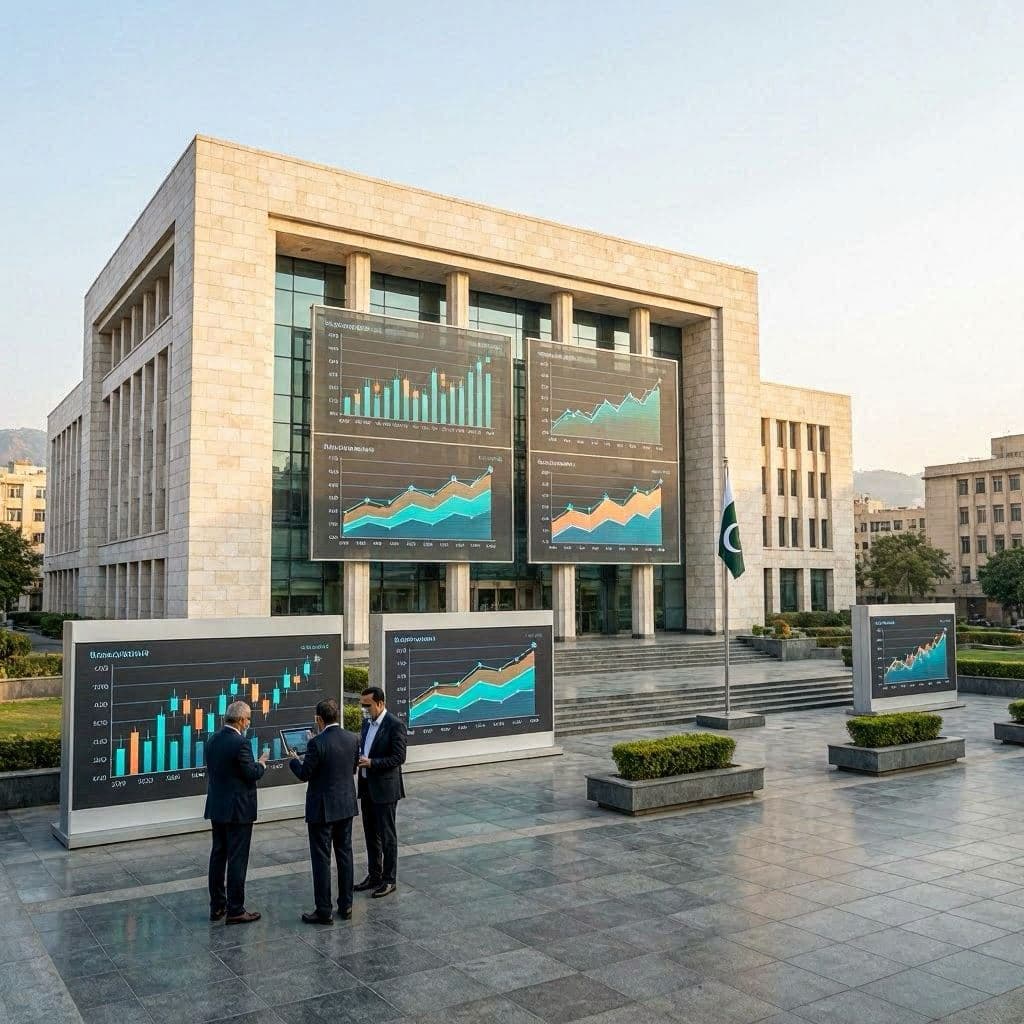
Key Highlights
- Pakistan's government has introduced fiscal reforms to improve economic stability.
- The reforms focus on budget management, taxation, and public expenditure.
- International financial organizations are monitoring Pakistan's economic progress.
[Overview of Fiscal Reforms]
Economic policy often resembles steering a vessel across changing waters. The destination may remain clear, yet the course frequently requires careful adjustments as conditions evolve. Pakistan's latest fiscal reforms reflect another attempt to strengthen economic stability while responding to domestic and international financial pressures.
The Pakistani government has introduced a comprehensive package of fiscal reforms aimed at improving budget management, increasing government revenue, and supporting broader economic stability. Officials describe these measures as part of an ongoing strategy to strengthen public finances and encourage sustainable economic growth. The reforms are designed to address the pressing challenges of inflation and external financing requirements that have plagued the country in recent years.
According to government statements, the reforms include adjustments to taxation, public expenditure management, and financial oversight. Authorities believe these measures will contribute to stronger fiscal discipline while maintaining essential public services. The government aims to create a more resilient economic framework that can withstand external shocks and foster long-term growth.
Economic stability has remained a central objective as Pakistan continues addressing inflation, external financing requirements, and long-term development priorities. Policymakers emphasize that careful financial management is necessary to build confidence among investors and financial institutions. The government’s commitment to fiscal reforms is seen as a crucial step in restoring trust in Pakistan's economic management.
Economists note that fiscal reforms can influence multiple sectors of the economy. While some policies may create short-term adjustments for businesses and consumers, governments often pursue such reforms with the expectation of achieving stronger long-term financial resilience. The balance between immediate impacts and future benefits is a critical consideration for policymakers as they navigate these changes.
International financial organizations, including the International Monetary Fund (IMF) and World Bank, continue monitoring Pakistan's economic progress alongside domestic policy implementation. Cooperation with external partners remains an important component of broader economic planning and financial management. The reforms are expected to align with the conditions set by these organizations, which often emphasize transparency and accountability in fiscal management.
Businesses and financial markets will likely continue evaluating how the reforms affect investment conditions, economic activity, and public finances. Consistent implementation and transparent communication remain important factors influencing market confidence. The government has stated that economic growth, employment, and fiscal sustainability remain interconnected priorities. Maintaining balance among these objectives will continue shaping policy decisions throughout the coming months.
As the reforms move from announcement to implementation, observers will closely monitor economic indicators to evaluate their effectiveness. The broader outcome will become clearer as the policies gradually influence Pakistan's financial landscape. Stakeholders are keenly aware that the success of these reforms will depend on the government's ability to manage expectations and deliver tangible results in the coming months.
Published by Banx Network. This article is part of the Banx decentralized media programme, powered by the BXE token on the XRP Ledger.




