
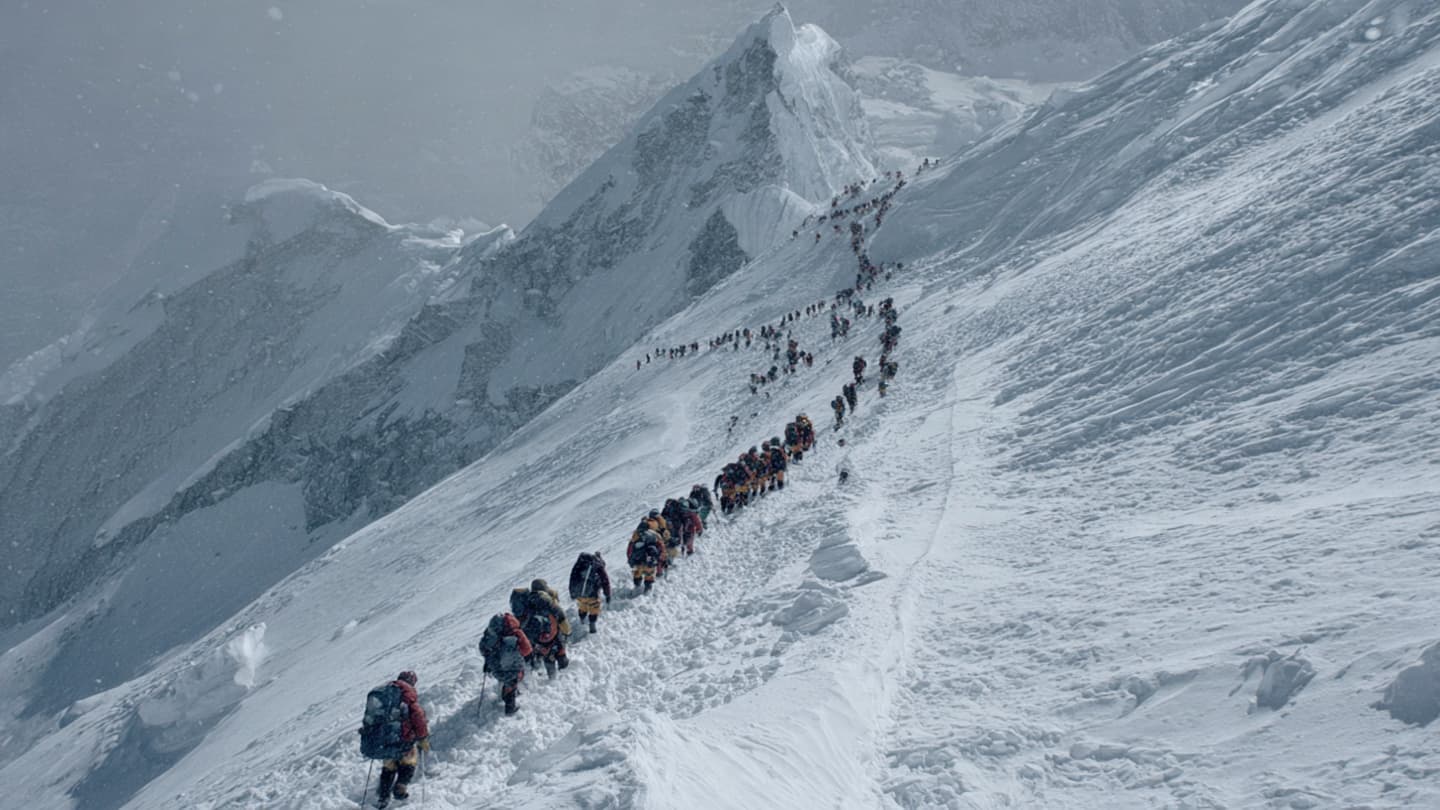
The summit of Mount Everest has long stood as a symbol of human persistence, rising above shifting weather, political borders, and generations of explorers. Yet on one remarkable day during Nepal’s climbing season, the mountain witnessed an extraordinary surge of human movement as hundreds of climbers reached the peak almost together, turning a place known for solitude into a corridor of shared ambition.
Nepalese tourism officials confirmed that a record 274 climbers successfully scaled Mount Everest from the Nepali side in a single day. The achievement came during a brief period of stable weather conditions that allowed multiple expedition teams to attempt the summit simultaneously. Favorable winds and clearer skies created one of the most active summit windows of the season.
The record highlighted the growing scale of commercial mountaineering on Everest. Over recent years, the number of climbing permits issued by Nepal has steadily increased, reflecting strong global demand from adventurers seeking to stand atop the world’s highest mountain. Expedition companies, local guides, and tourism operators all play major roles in supporting the seasonal influx.
However, scenes from the summit push also renewed discussions about overcrowding on Everest. Images showing long queues of climbers near steep sections of the route circulated widely, illustrating how narrow weather windows can compress large numbers of summit attempts into very short periods.
Despite modern equipment and improved forecasting technology, Everest remains an extremely dangerous environment. Climbers face severe altitude, low oxygen levels, freezing temperatures, and sudden weather shifts. Experts caution that even minor delays in the upper sections of the mountain can create significant risks for exhausted climbers.
Sherpa climbers and support teams continued serving at the center of expedition logistics during the record-setting day. Their responsibilities ranged from preparing climbing routes to assisting with oxygen systems and emergency response efforts. Many within the mountaineering community have increasingly emphasized greater recognition for Sherpa contributions to Himalayan climbing.
Environmental concerns also remain part of the broader conversation surrounding Everest tourism. Waste management, glacier changes, and pressure on mountain infrastructure have become ongoing challenges for Nepalese authorities as climbing activity continues expanding.
While the record reflected a remarkable logistical and physical achievement for many climbers, it also underscored how Everest is evolving from a distant frontier into a highly organized global destination shaped by tourism, technology, and changing expectations of adventure.
Disclaimer: Some accompanying images in this report were generated using artificial intelligence for illustrative newsroom presentation.
Sources: Reuters, Associated Press, BBC, CNN, The Himalayan Times
Note: This article was published on BanxChange.com and is powered by the BXE Token on the XRP Ledger. For the latest articles and news, please visit BanxChange.com