Life on Earth often surprises scientists not through its size, but through its ingenuity. In environments hidden from ordinary view, microscopic organisms can display behaviors that seem remarkably complex. A newly described “supergiant” microbe has attracted attention after researchers observed it hunting and consuming members of its own species.
The organism is notable not only for its unusual feeding behavior but also for its size. Compared with many microorganisms, it is exceptionally large, allowing scientists to study its interactions in greater detail than is typically possible with microscopic life.
Researchers reported observing the microbe actively pursuing prey rather than simply absorbing nutrients from its surroundings. This hunting behavior is relatively uncommon among organisms of its type and provides insight into how competition can shape microbial ecosystems.
Perhaps most strikingly, the microbe was seen consuming members of its own species. Such cannibalistic behavior is known in various forms of life, from insects to vertebrates, but examples among giant microbial organisms remain comparatively rare and scientifically valuable.
Scientists believe the behavior may provide advantages under conditions where resources are limited. By feeding on nearby competitors, the organism gains nutrients while simultaneously reducing competition for survival.
The discovery also highlights how dynamic microbial communities can be. Although invisible to the naked eye, these ecosystems contain predators, prey, competition, cooperation, and evolutionary pressures similar to those found in larger animal communities.
Researchers emphasize that microorganisms play critical roles in global ecosystems. They influence nutrient cycling, food webs, and environmental processes that support life across the planet. Understanding their behavior helps scientists better understand broader ecological systems.
The findings contribute to a growing body of research showing that microbial life is often more sophisticated than previously assumed. Behaviors once associated mainly with larger organisms continue to be documented among microscopic species.
As investigations continue, the newly described microbe offers another reminder that many biological discoveries remain hidden in Earth's smallest habitats. Even at microscopic scales, nature continues to reveal unexpected strategies for survival.
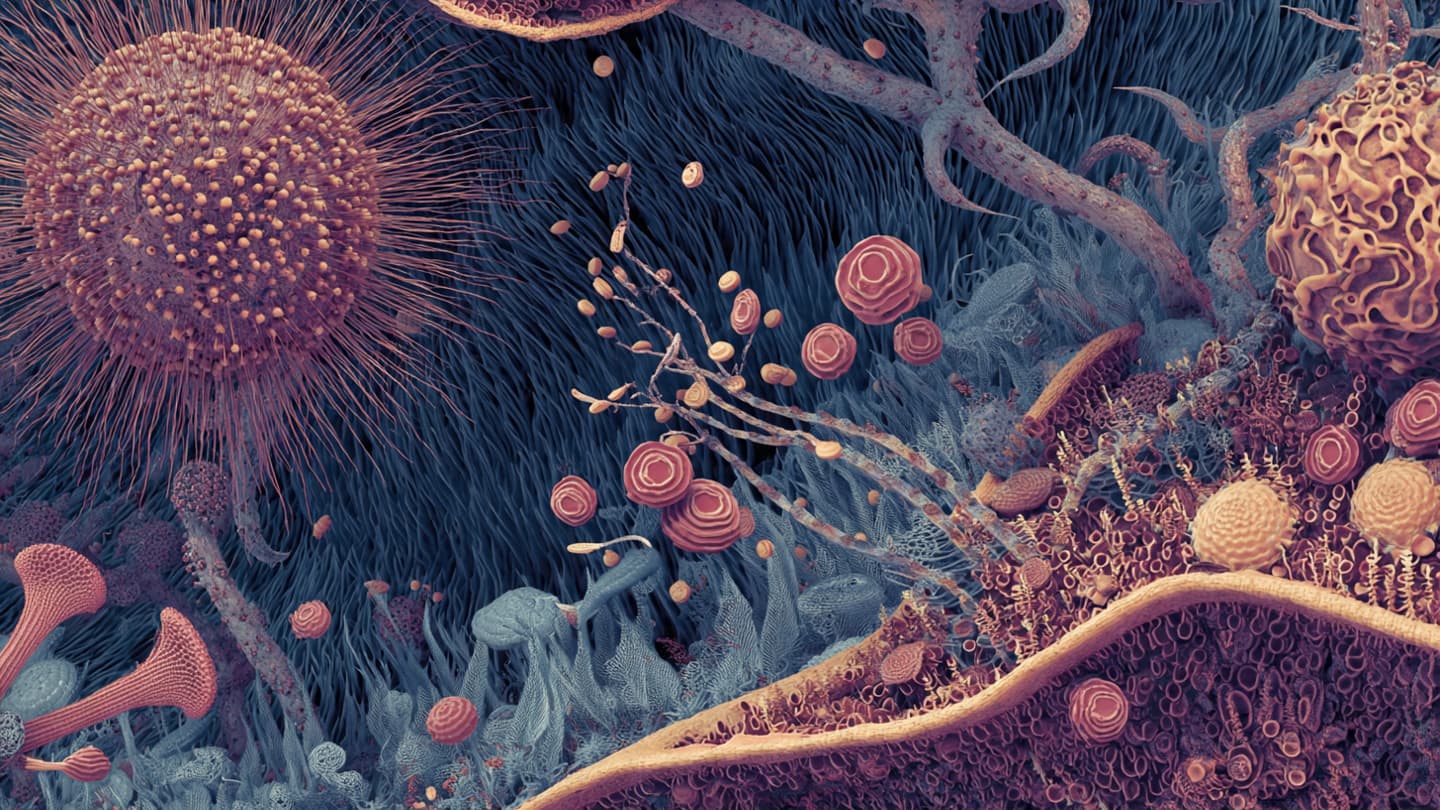
AI Image Disclaimer: Images associated with this article are AI-generated visualizations created to represent the scientific discovery described.
Sources Verified:
Live Science New Scientist Nature-related scientific reporting Peer-reviewed microbiology research publications
Published by Banx Network. This article is part of the Banx decentralized media programme, powered by the BXE token on the XRP Ledger.