

Key Highlights
- Wildfires may influence ozone layer recovery, new studies show.
- The ozone layer has seen signs of recovery due to international efforts.
- Advanced satellite technology aids in monitoring wildfire impacts.
[Impact of Wildfires on Ozone Layer]
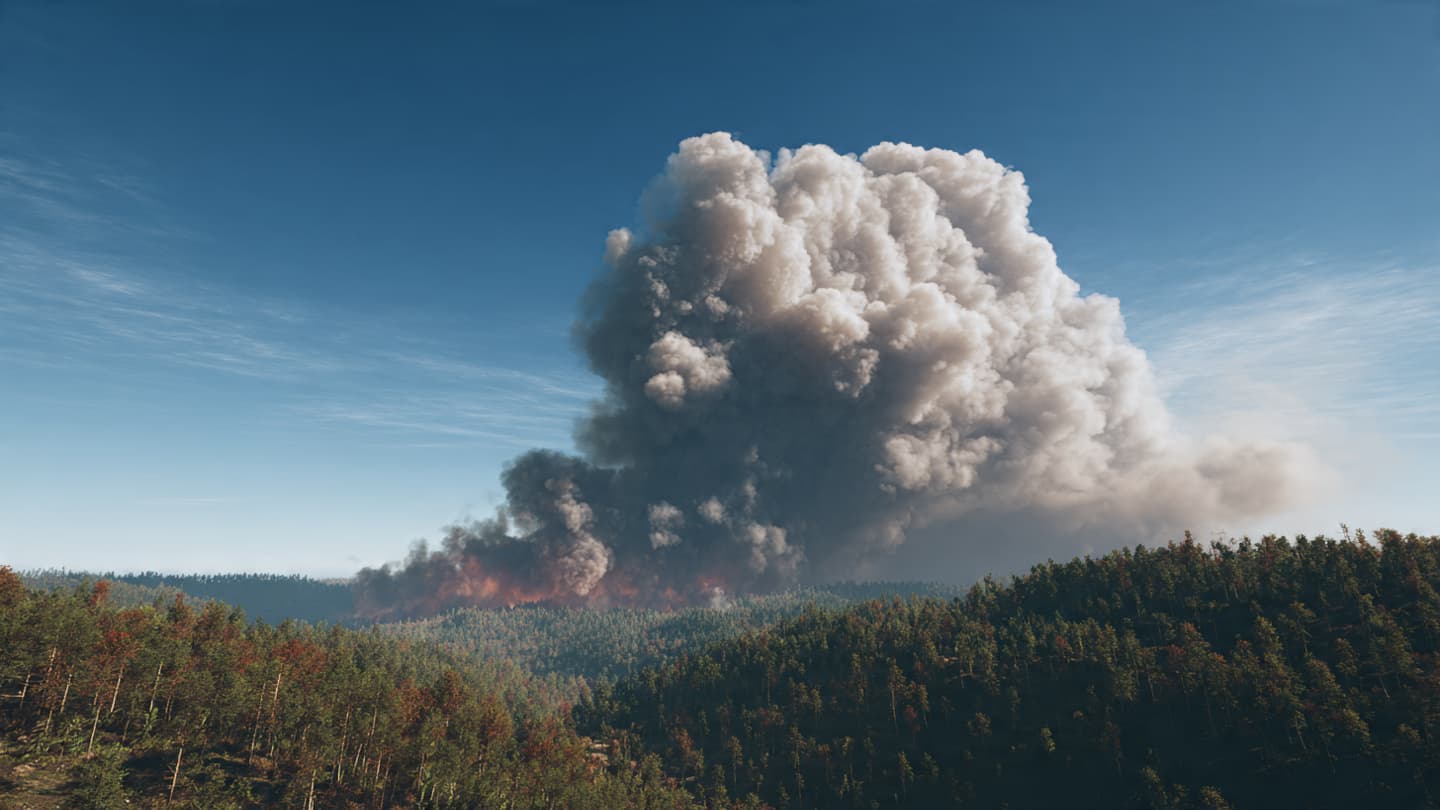
The sky above often appears calm and unchanging, yet it holds delicate systems that quietly protect life on Earth. Among them is the ozone layer, a region of the atmosphere that shields the planet from much of the Sun's harmful ultraviolet radiation. New scientific research suggests that large wildfires may influence this protective barrier in ways that deserve closer attention.
The ozone layer has been the focus of international environmental efforts for decades. Agreements such as the Montreal Protocol helped reduce the production of chemicals known to damage atmospheric ozone, and scientists have observed encouraging signs of recovery in recent years. However, recent studies indicate that intense wildfire events may temporarily affect atmospheric chemistry. Large fires release smoke particles and gases into the atmosphere, where they can interact with natural chemical processes. Researchers are investigating how these interactions may influence ozone recovery.
Wildfires have become an increasingly important area of environmental research. Extended dry conditions, changing weather patterns, and natural climate variability can all contribute to the frequency and intensity of fires in certain regions. Scientists examine these events from ecological, atmospheric, and public health perspectives. The latest findings do not suggest that wildfire smoke alone will reverse decades of environmental progress. Instead, researchers view the issue as part of a broader and more complex climate system that includes interactions between forests, weather, and the atmosphere.
[Technological Advances in Monitoring]
Advanced satellite technology has improved the ability to monitor wildfire smoke and atmospheric conditions. Scientists can now track the movement of particles across large distances and study their effects using detailed climate models and observational data. This technological advancement is crucial for understanding the full impact of wildfires on atmospheric chemistry and the ozone layer.
Environmental experts emphasize that continued international cooperation remains important. Monitoring atmospheric changes requires contributions from research institutions, weather agencies, and environmental organizations working together across national boundaries. The study also highlights the interconnected nature of environmental systems. Forest ecosystems, air quality, climate patterns, and atmospheric chemistry influence one another in ways that scientists continue to explore and better understand.
[Conclusion]
As research continues, the findings provide another reminder that protecting the environment involves many connected challenges. The recovery of the ozone layer remains a significant scientific achievement, while ongoing studies help ensure that emerging factors are carefully monitored. The interplay between wildfires and atmospheric conditions underscores the need for comprehensive strategies to address climate change and its multifaceted impacts.
Published by Banx Network. This article is part of the Banx decentralized media programme, powered by the BXE token on the XRP Ledger.




