
Key Highlights
- U.S. Eases Travel Restrictions: Iran's national football team can enter earlier for the 2026 FIFA World Cup.
- Historical Context:Sports often create diplomatic opportunities despite political tensions.
- FIFA Regulations:Host nations must facilitate access for competing teams.
Sport has long carried a quiet ability to build bridges where politics often erects walls. As preparations continue for the 2026 FIFA World Cup, the United States has decided to ease certain travel restrictions for Iran's national football team, illustrating how international sporting events can create rare moments of practical cooperation.
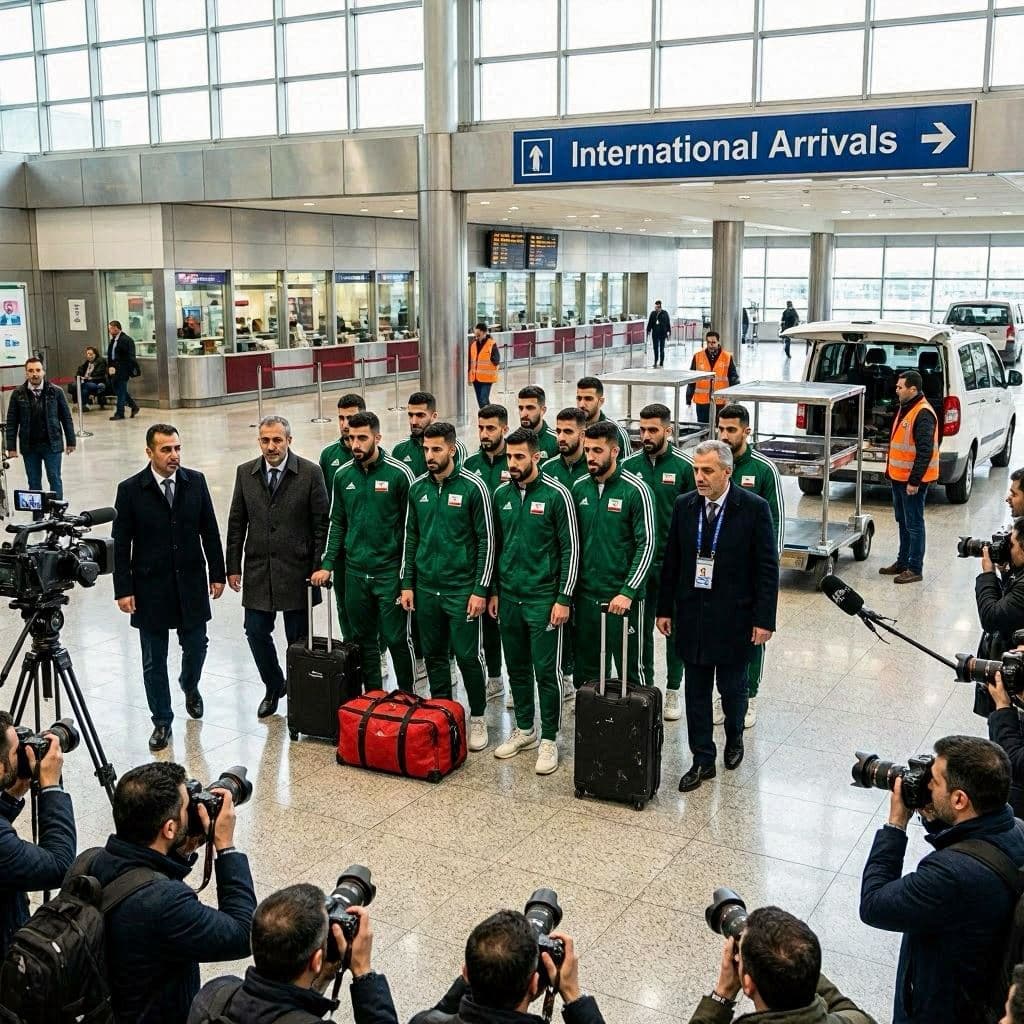
U.S. authorities confirmed that special arrangements would allow Iran's team to enter the country earlier than initially permitted, ensuring players and staff can adequately prepare for tournament competition. This adjustment is designed specifically for World Cup participation, reflecting a nuanced approach to international relations through the lens of sports.
Relations between Washington and Tehran have remained strained for decades, shaped by diplomatic disagreements, sanctions, and regional tensions. Despite these broader challenges, international sporting competitions have historically encouraged limited forms of engagement between countries with difficult political relationships. The easing of restrictions for the Iranian team is a prime example of how sports can serve as a conduit for dialogue and cooperation.
Tournament organizers and governing bodies typically work closely with host nations to ensure all qualified teams are able to participate under fair and consistent conditions. FIFA regulations require host countries to facilitate access for competing delegations, which underscores the importance of sports in fostering international goodwill, even amidst geopolitical strife.
Analysts note that major sporting events often operate as unique diplomatic spaces. While they do not resolve underlying political disputes, they can encourage communication and logistical cooperation among governments that otherwise maintain limited contact. The decision to ease travel restrictions for Iran's team is indicative of this phenomenon, highlighting how sports can transcend political barriers.
The complexity of organizing a global tournament involving teams from diverse political systems and regions cannot be overstated. Host nations frequently balance domestic policies with international sporting obligations, navigating a landscape where sports and politics intersect. As the 2026 World Cup approaches, organizers are expected to continue coordinating closely with participating nations to ensure a smooth and inclusive event.
For players and supporters, attention remains focused primarily on the competition itself. National teams generally seek to minimize external distractions as they prepare for one of football's most prestigious events. The excitement surrounding the World Cup serves as a reminder of the unifying power of sports, even in times of tension.
As the tournament draws nearer, the latest development serves as a reminder that sport, while not separate from world affairs, often provides opportunities for engagement even during periods of geopolitical tension. The 2026 FIFA World Cup may not only showcase athletic prowess but also highlight the potential for sports to foster understanding and cooperation among nations.
Published by Banx Network. This article is part of the Banx decentralized media programme, powered by the BXE token on the XRP Ledger.



