
Key Highlights
- Weather disruptions have impacted major global events, including the World Cup.
- Organizers are adapting schedules and safety measures to address climate challenges.
- Climate resilience is becoming essential for future event planning.
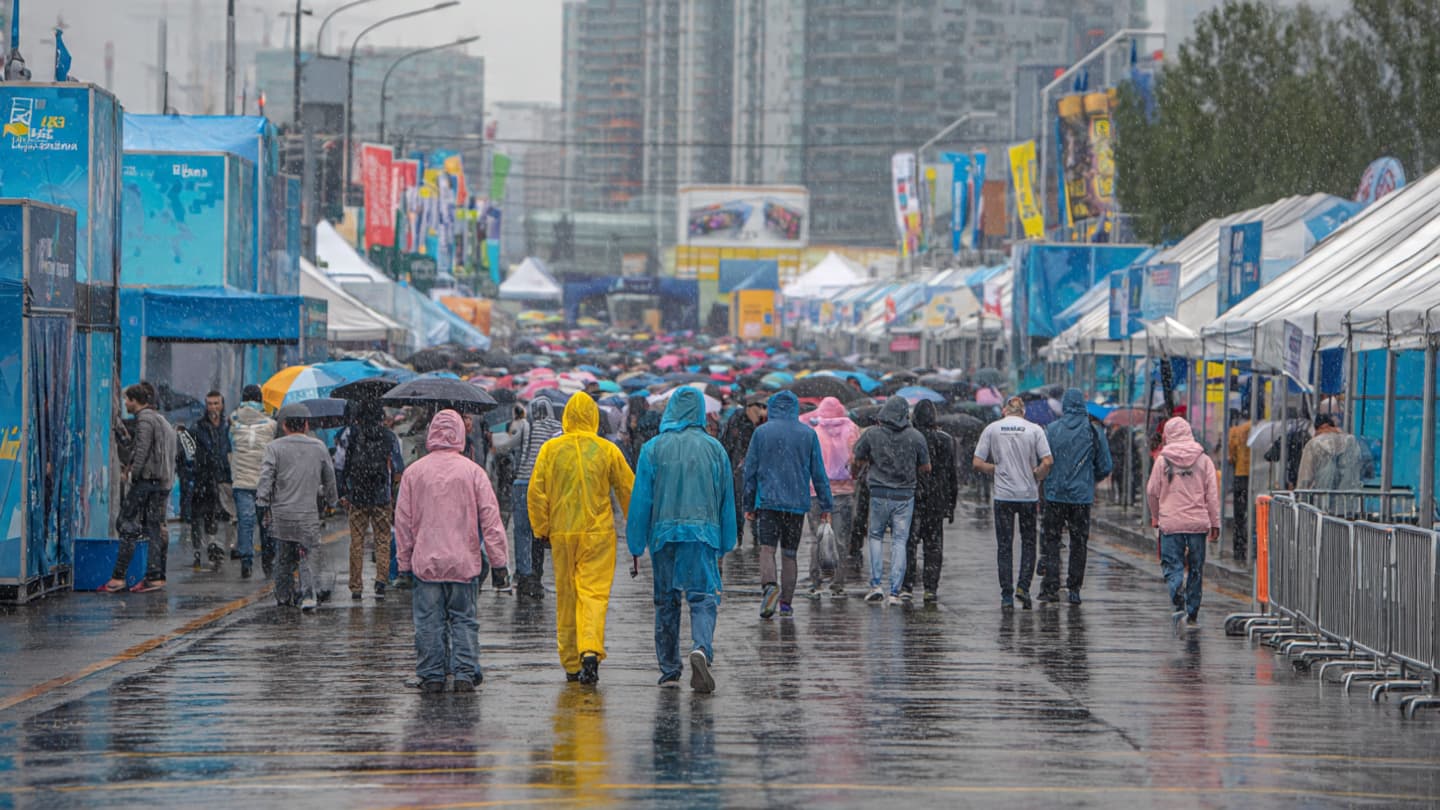
The recent World Cup activities have brought to light the significant impact of weather on large international sporting events. These gatherings, celebrated as moments of unity, rely heavily on favorable environmental conditions. However, extreme weather events, such as intense heat and severe storms, have disrupted various activities, prompting organizers to rethink their strategies for managing such challenges.
In response to the weather-related disruptions, event organizers have had to adjust schedules and implement safety measures to protect both participants and spectators. This proactive approach underscores the growing recognition that weather conditions can significantly affect the success of major events. As climate change continues to alter weather patterns, the need for effective planning becomes increasingly critical.
Historically, weather has influenced outdoor events, but the current climate crisis has intensified the scrutiny of how changing conditions may affect future tournaments, festivals, and public gatherings. Experts in event management are now incorporating meteorological monitoring and emergency response strategies into their planning processes. This shift reflects a broader understanding that successful event management must account for environmental factors.
Cities that host international competitions face unique challenges, as they must accommodate large crowds while ensuring public safety under varying weather conditions. The complexity of these events requires a multifaceted approach to planning, which includes not only transportation and security but also infrastructure resilience and crowd management strategies.
While preparedness can mitigate some risks associated with adverse weather, experts emphasize that it cannot eliminate them entirely. Effective planning aims to reduce disruptions and enhance responses to unexpected conditions. Advances in forecasting technology have improved the ability of organizers to anticipate potential problems, allowing for earlier warnings and informed decision-making regarding schedules and crowd management.
The implications of weather disruptions extend beyond sports. Concerts, tourism, transportation networks, and public infrastructure are all affected by similar climate concerns. As the world continues to grapple with the realities of climate change, the need for climate resilience in event planning will only grow.
Looking ahead, the lessons learned from recent disruptions will likely shape how future tournaments and global celebrations are organized. The ability to adapt to changing environmental conditions will be crucial for ensuring the success of these events in an increasingly unpredictable climate.
Published by Banx Network. This article is part of the Banx decentralized media programme, powered by the BXE token on the XRP Ledger.



