
Key Highlights
- Bird flu has reached Antarctica, posing risks to wildlife.
- The H5N1 strain has caused mass mortality in birds globally.
- Enhanced biosecurity measures are being implemented in the region.
The pristine wilderness of Antarctica, often referred to as Earth's last great wilderness, is facing an unprecedented threat as highly pathogenic avian influenza, commonly known as bird flu, has been detected in its wildlife. This alarming development raises significant concerns among scientists regarding the health of seabird and marine mammal populations that inhabit this remote and isolated continent.
Recent reports confirm that infections have been identified in wildlife across various parts of Antarctica, marking a critical moment in the global spread of the H5N1 strain of the virus. This strain has already wreaked havoc on bird populations across multiple continents, leading to mass mortality events among wild birds and outbreaks in domestic poultry. With Antarctica's unique ecosystem, the densely populated colonies of penguins, skuas, albatrosses, and other seabirds are particularly vulnerable to this invasive pathogen.
Researchers believe that migratory birds are the likely carriers of the virus, having introduced it into the Antarctic ecosystem. Many bird species undertake extensive migrations between continents, inadvertently creating pathways for disease transmission into previously isolated environments. This phenomenon highlights the interconnectedness of global ecosystems and the potential for diseases to breach natural barriers.
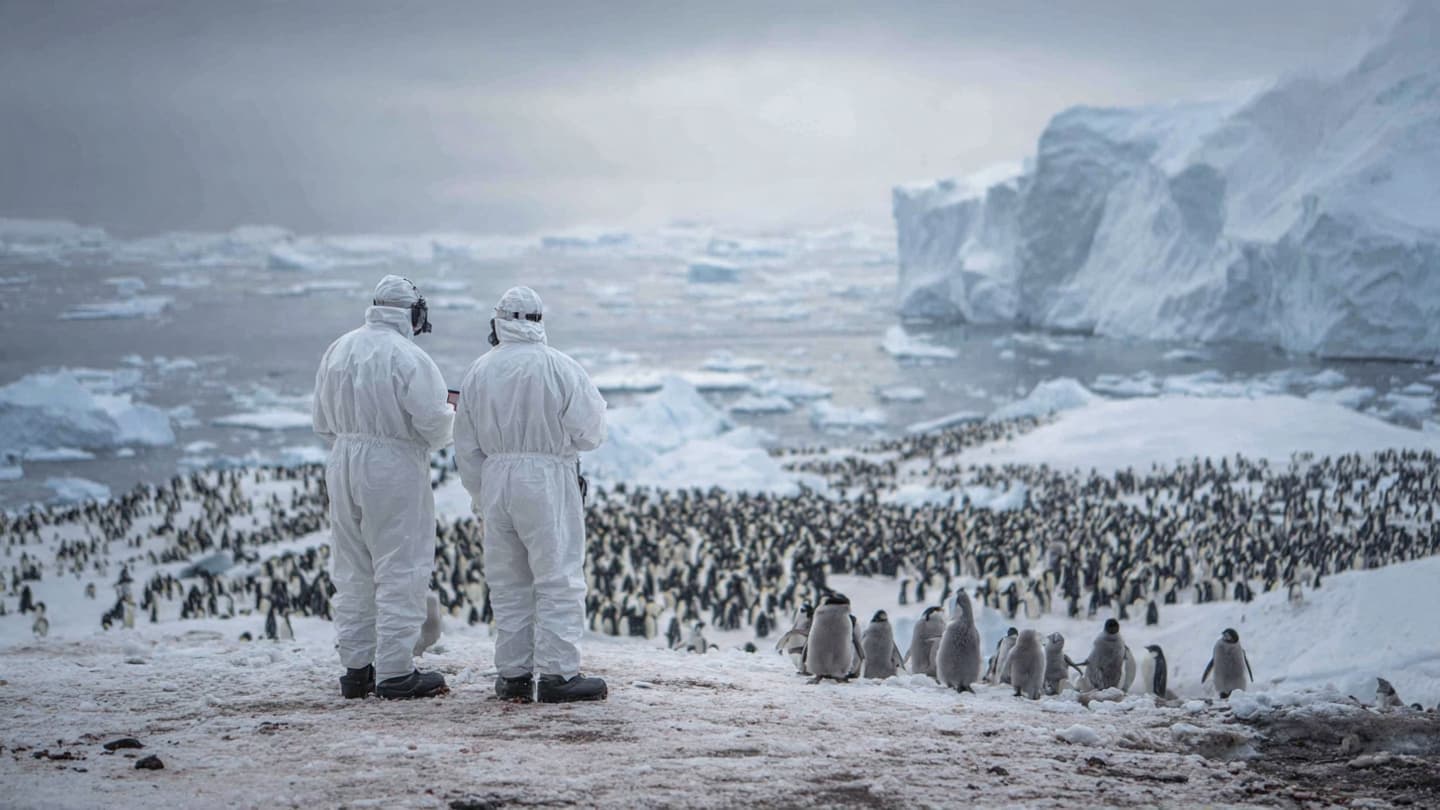
In response to this emerging threat, scientific teams operating in Antarctica have ramped up biosecurity measures to mitigate the risk of human-assisted transmission of the virus. Researchers and tourists are now required to adhere to strict decontamination protocols for clothing, footwear, and equipment before entering wildlife areas. These measures are crucial in safeguarding the health of the region's unique wildlife and preventing further spread of the virus.
Conservation experts emphasize that controlling the spread of avian influenza in wild ecosystems presents unique challenges. Unlike outbreaks in domestic animals, wildlife populations roam freely across vast and remote habitats, making containment efforts exceptionally difficult. The arrival of bird flu in Antarctica has intensified discussions about the broader health of global ecosystems, as scientists warn that climate change, habitat disruption, and increasing human activity can significantly influence disease dynamics in wildlife populations.
While complete containment of the virus may be unattainable, researchers stress the importance of ongoing monitoring, international cooperation, and rigorous biosecurity measures as essential tools for limiting the impact of avian influenza on one of Earth's most unique environments. The situation underscores the need for a proactive approach to wildlife conservation in the face of emerging infectious diseases.
As the world watches closely, the fate of Antarctica's wildlife hangs in the balance, reminding us of the delicate interplay between human activity and the natural world.
Published by Banx Network. This article is part of the Banx decentralized media programme, powered by the BXE token on the XRP Ledger.



