In long conflicts, moments of hope and disappointment often arrive side by side. Negotiations may begin while artillery still echoes across distant fields, and diplomatic statements can coexist with renewed military escalation. This contrast became visible again this week as tensions between Russia and Ukraine intensified despite ongoing efforts to maintain temporary ceasefire arrangements.
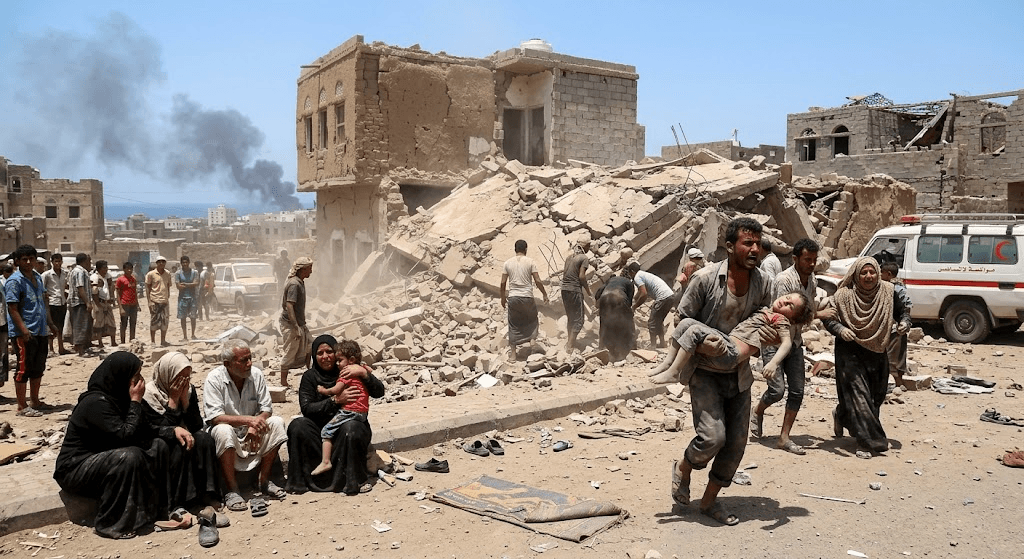
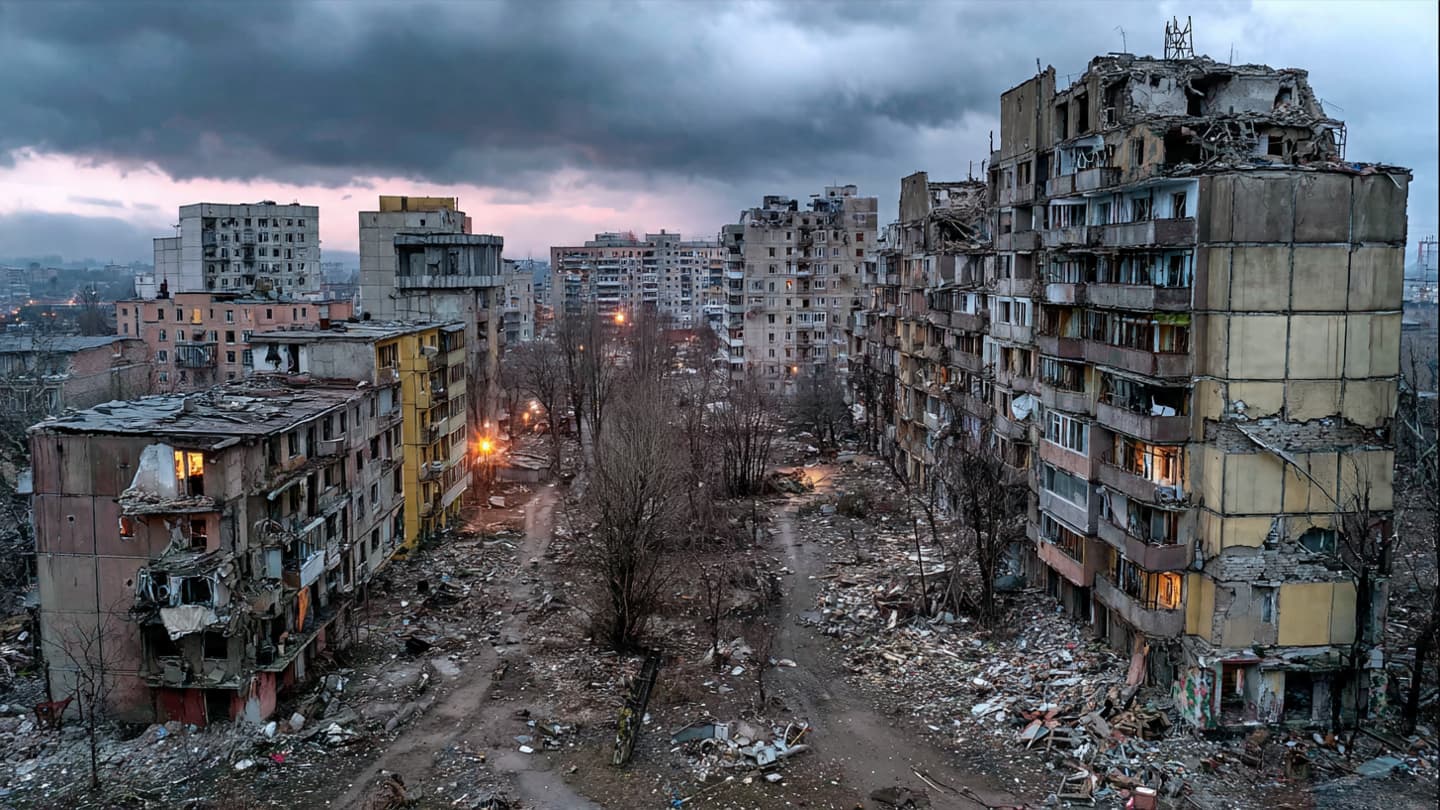
Russian officials accused Ukrainian forces of violating localized truce agreements, while Ukrainian authorities countered that Russian attacks continued in several eastern regions. Reports from affected areas described renewed shelling, infrastructure damage, and civilian displacement near contested frontlines.
Since the war began, attempts at ceasefires have repeatedly encountered difficulty due to shifting battlefield conditions, political mistrust, and competing strategic objectives. Temporary pauses in fighting have sometimes succeeded in enabling humanitarian operations, though broader long-term agreements remain elusive.
International diplomats continue urging restraint from both sides while emphasizing the need for sustained negotiations. European leaders remain particularly concerned about the humanitarian and economic consequences of prolonged instability across the continent.
The conflict has reshaped Europe’s security landscape in profound ways. Defense spending has increased across multiple countries, NATO coordination has expanded, and energy policy discussions continue reflecting concerns tied to regional security and supply dependence.
For civilians living near active combat zones, however, geopolitical analysis often feels distant from daily realities. Families continue facing disruptions to housing, education, healthcare, and employment while adapting to uncertainty that has persisted for years.
Humanitarian organizations reported ongoing challenges delivering aid to some affected regions due to security risks and infrastructure damage. International relief agencies continue supporting displaced populations both inside Ukraine and across neighboring countries.
Military analysts note that ceasefires during active wars are often fragile unless accompanied by broader political frameworks capable of addressing underlying disputes. Without deeper diplomatic progress, temporary reductions in violence may remain vulnerable to renewed escalation.
As fighting continues alongside diplomatic efforts, the situation reflects the complexity of modern conflict resolution. Even amid exhaustion and destruction, negotiations continue because the alternatives remain equally difficult. For many observers, the challenge now lies not only in ending immediate violence, but in imagining how lasting stability might eventually return.
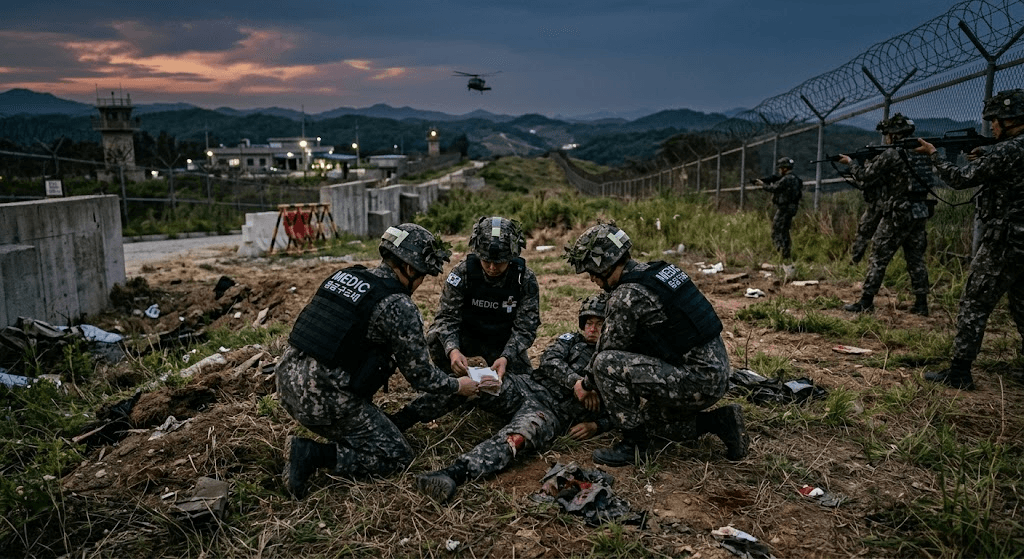
AI Image Disclaimer: Certain visuals accompanying this article may include AI-generated war-zone recreations designed for editorial storytelling.
Sources Al Jazeera Reuters BBC Associated Press
Published by Banx Network. This article is part of the Banx decentralized media programme, powered by the BXE token on the XRP Ledger.