

Key Highlights
- Disruption:Severe weather conditions have affected the 2026 FIFA World Cup fan festival in Canada.
- Safety Adjustments:Organizers made changes to scheduled outdoor events due to intense heat and storms.
- Broader Impact:The situation raises discussions on climate adaptation for major events.
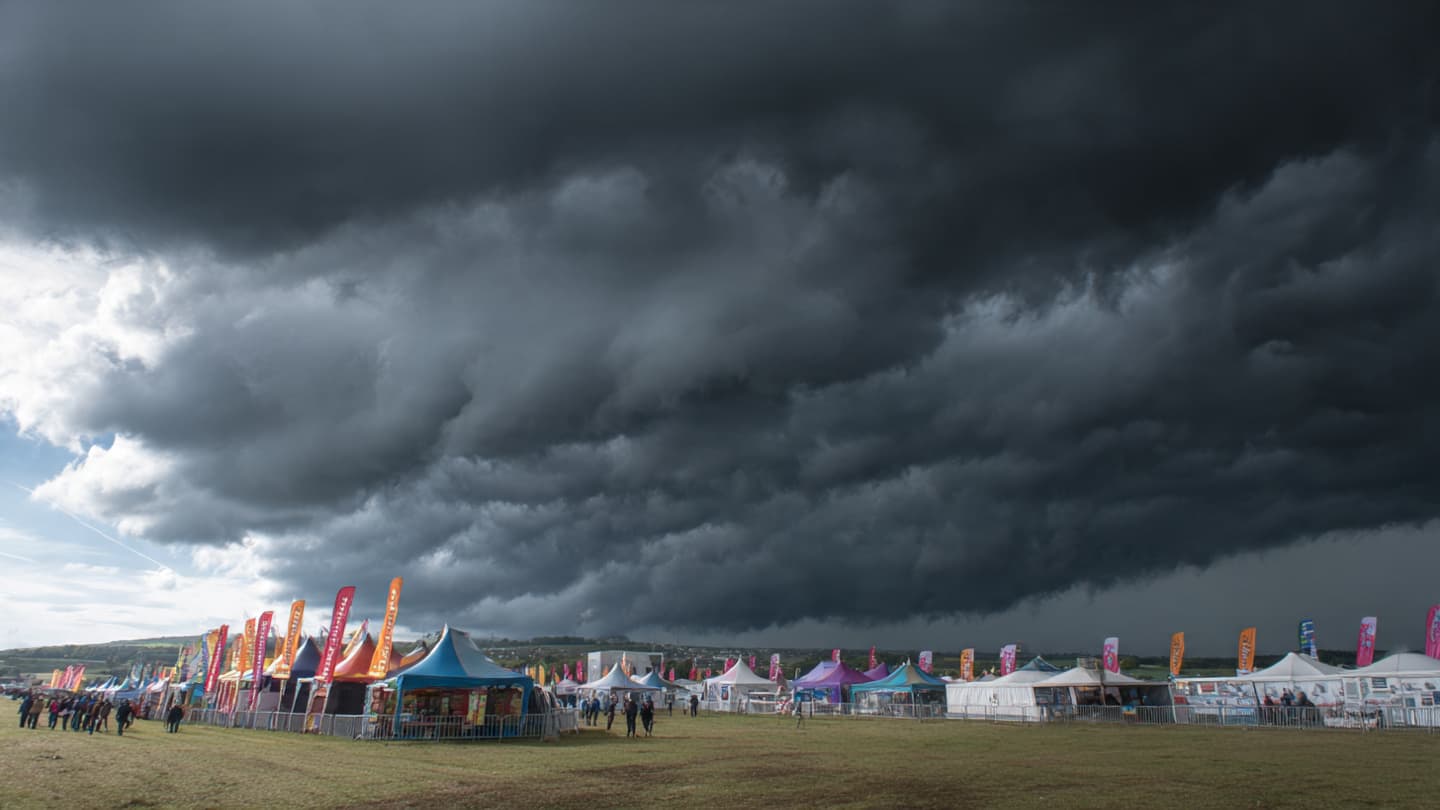
Extreme weather conditions have recently disrupted activities associated with the 2026 FIFA World Cup fan festival in Canada, highlighting the challenges faced by event organizers in the face of unpredictable natural forces. Reports indicate that severe weather, including intense heat and storms, has forced organizers to make significant adjustments to planned outdoor events connected to the tournament.
The safety of participants and spectators remains the highest priority during such events. Organizers have had to rely on weather monitoring systems and emergency-response plans to minimize potential risks. As a result, some scheduled activities were altered or postponed to ensure public safety, demonstrating the delicate balance between celebration and caution.
Large public gatherings, such as the World Cup fan festival, require extensive logistical preparation. Factors such as crowd management, transportation planning, and emergency services are all influenced by prevailing weather conditions. Meteorologists have noted that extreme weather events are becoming increasingly common, making them a critical consideration for organizers of international sporting competitions.
The disruption of the fan festival also serves as a reminder of the broader discussions surrounding climate change and infrastructure. Cities that host major international events are increasingly evaluating how to adapt their venues and public spaces to accommodate changing environmental conditions. This includes assessing the resilience of infrastructure to withstand extreme weather events, which are expected to become more frequent in the future.
Fans attending the festival have generally responded positively to the guidance issued by local authorities. Temporary adjustments allowed organizers to maintain a level of activity while prioritizing safety. This adaptability is crucial in ensuring that the spirit of the event is preserved, even when nature changes the script.
Experts emphasize that weather-related disruptions are not unique to sports events. Similar challenges affect transportation systems, public events, tourism, and outdoor industries worldwide. As the tournament progresses, organizers are expected to maintain close coordination with meteorological services to navigate any further weather-related challenges.
The situation serves as a reminder that successful global events depend not only on meticulous planning and enthusiasm but also on the ability to adapt to changing conditions. As the world continues to grapple with the impacts of climate change, the lessons learned from such disruptions will be invaluable for future events.
Published by Banx Network. This article is part of the Banx decentralized media programme, powered by the BXE token on the XRP Ledger.




