

Key Highlights
- Antarctica's extreme weather is complicating scientific research.
- Changing sea ice conditions are affecting logistics and operations.
- Technological innovations are helping researchers adapt to new challenges.
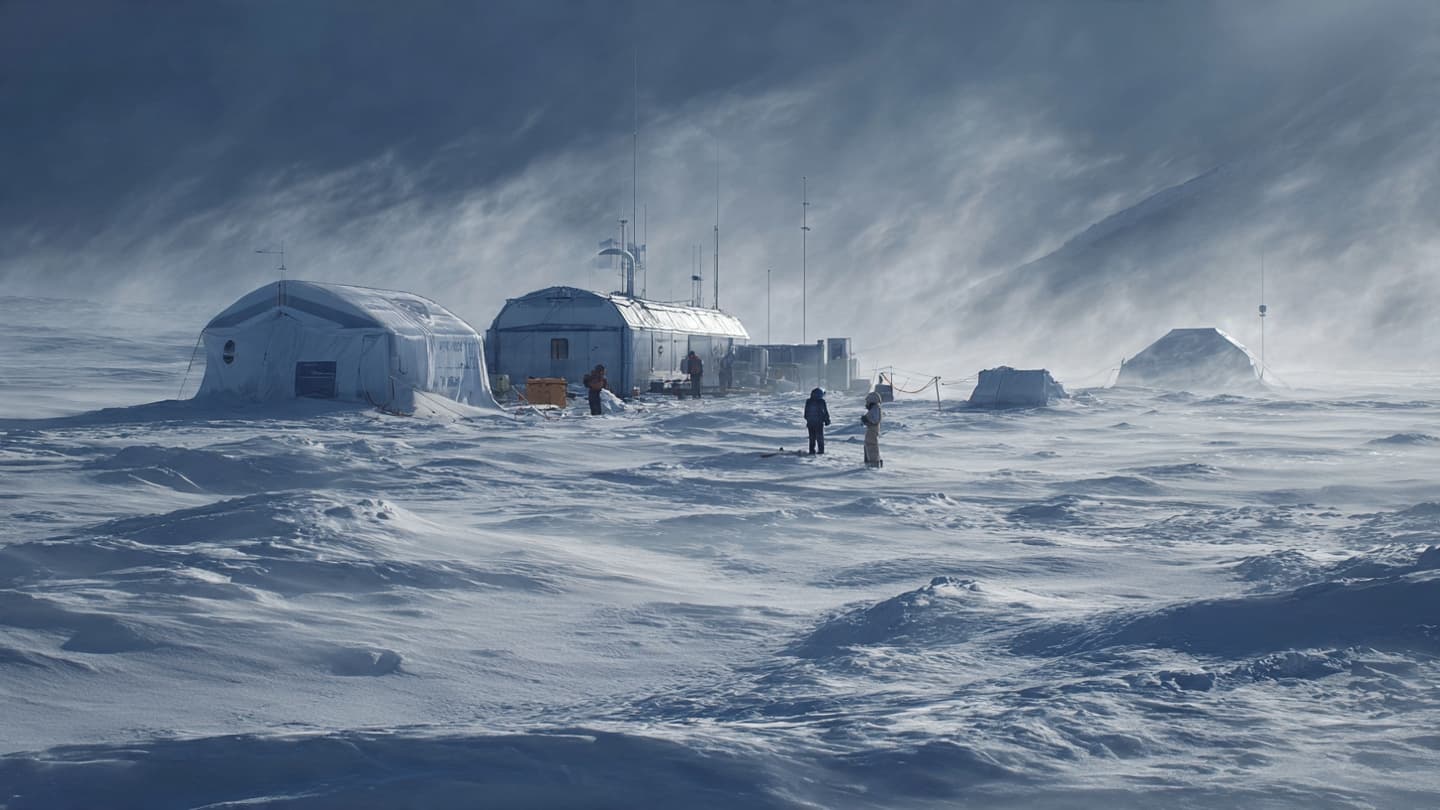
Antarctica has long stood as one of Earth's most remote and demanding frontiers. For generations, scientists traveling to the frozen continent accepted isolation, cold, and uncertainty as part of their mission. Yet researchers now report that a new challenge is emerging: increasingly unpredictable and extreme weather conditions.
Recent scientific assessments indicate that changing weather patterns are complicating research activities across parts of Antarctica. Stronger storms, shifting sea ice conditions, and unusual weather variability are affecting logistics and field operations. Research teams often depend on narrow weather windows to conduct studies, transport equipment, and access remote observation sites. When storms intensify or conditions change unexpectedly, scientific schedules can be delayed by days or even weeks.
Sea ice variability has also become an important concern. Some research stations rely on stable sea ice for transportation and supply operations. Changes in ice conditions can create significant logistical difficulties for expeditions, making it harder for scientists to reach their study sites or receive necessary supplies. This unpredictability can hinder the progress of critical research aimed at understanding climate change and its global implications.
Scientists emphasize that Antarctica plays a crucial role in understanding global climate systems. Data collected from the continent contributes to research on sea-level rise, atmospheric processes, ocean circulation, and long-term climate trends. The insights gained from Antarctic research are vital for predicting future climate scenarios and informing global policy decisions.
Technological innovation is helping researchers adapt to these challenges. Autonomous instruments, satellite monitoring systems, and remote sensing technologies are increasingly being deployed to collect data in areas that have become more difficult to access physically. These advancements allow scientists to gather crucial information without being directly impacted by the harsh weather conditions that can disrupt traditional fieldwork.
Despite these advances, field research remains essential. Direct observations and on-site measurements continue to provide information that cannot be fully replicated through remote technologies alone. The unique environment of Antarctica offers insights that are critical for understanding the broader implications of climate change.
As environmental conditions evolve, scientists say maintaining research capacity in Antarctica will require continued international cooperation, investment, and flexibility to operate safely within one of Earth's most challenging environments. Collaborative efforts among nations and research institutions will be key to overcoming the logistical hurdles posed by climate change and ensuring that vital research continues in this fragile ecosystem.
Published by Banx Network. This article is part of the Banx decentralized media programme, powered by the BXE token on the XRP Ledger.




