
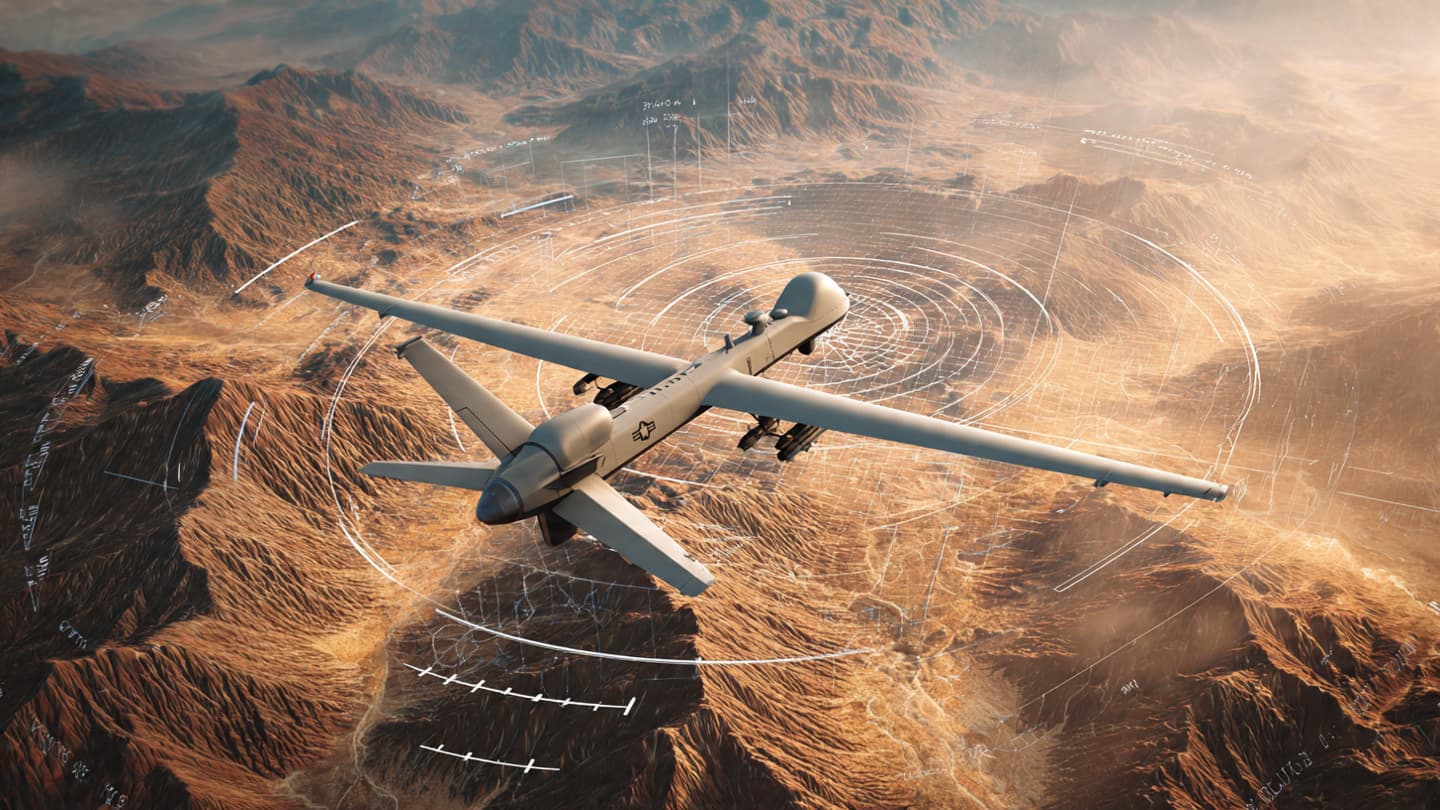
Key Highlights
- MQ-9 Reaper:A leading unmanned aerial vehicle used by the U.S. military.
- Iranian Defense:Enhanced air defense systems pose new challenges for drones.
- Global Trends:The ongoing evolution of military technology reflects a cycle of adaptation.
The landscape of modern military technology is often characterized by its precision and dominance, with advanced systems like the MQ-9 Reaper drone exemplifying this trend. Developed by the United States, the MQ-9 Reaper has established itself as a pivotal asset in surveillance and targeted operations, showcasing remarkable endurance and sophisticated intelligence capabilities. However, recent discussions have brought to light the vulnerabilities that even such advanced systems can face when confronted with evolving defense strategies, particularly from nations like Iran.
The MQ-9 Reaper has been integral to various military missions across conflict zones, providing critical reconnaissance and strike capabilities. Yet, defense analysts have raised concerns regarding the effectiveness of these drones in contested airspace, especially in light of advancements in Iranian air defense systems. Reports from regional media indicate that Iran has made significant strides in radar tracking, electronic warfare, and layered missile defenses, all designed to detect and neutralize unmanned aerial vehicles.
Iran's military development has been largely driven by years of international sanctions and regional security tensions. In response, the country has invested heavily in domestic defense technologies, including radar systems and drone interception capabilities. These advancements are part of a broader strategy to enhance territorial defense and counter perceived threats from foreign military operations, particularly those involving U.S. assets.
The ongoing dialogue surrounding the MQ-9 Reaper and Iranian air defenses reflects a global trend where unmanned aerial systems are increasingly met with sophisticated countermeasures. As the use of drones expands, nations are concurrently refining their electronic warfare tools and integrated air defense networks, creating a complex battlefield environment.
Strategic analysts emphasize that military technology evolves through cycles of adaptation rather than a straightforward path to superiority. Each advancement in drone technology often prompts corresponding innovations in defense systems, resulting in a continuous competition between surveillance capabilities and defensive measures. This dynamic underscores the necessity for military planners to remain vigilant and adaptable in the face of rapidly changing technological landscapes.
The public discourse surrounding the MQ-9 Reaper also highlights broader geopolitical tensions involving the United States and Iran, as well as the intricate security dynamics in the Middle East. Defense technologies often serve as symbols within larger strategic narratives, reflecting not only technical capabilities but also the underlying political and military objectives of nations.
Experts caution that while discussions about operational vulnerabilities are important, they should be approached with caution. Many defense capabilities remain classified, and assessments can be influenced by strategic messaging from various stakeholders. As reports continue to emerge regarding the interactions between MQ-9 Reaper drones and Iranian air defense systems, they contribute to a larger conversation about the future of modern warfare and the evolving nature of aerial defense strategies.
Published by Banx Network. This article is part of the Banx decentralized media programme, powered by the BXE token on the XRP Ledger.



