Key Highlights
- Resolution Passed:The European Parliament adopted a resolution declaring Russia's actions against Ukrainian children as genocide.
- Vote Outcome:The resolution received 536 votes in favor, with 8 against and 37 abstentions.
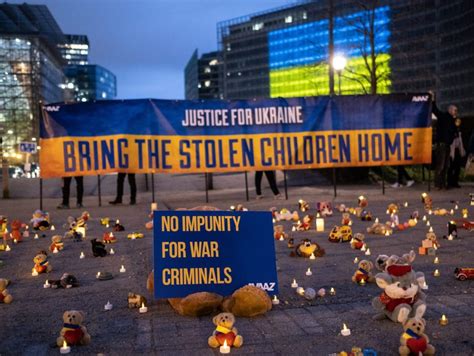
- Urgent Call:The Parliament urges the immediate return of forcibly deported children without using them as bargaining chips.
The European Parliament has taken a significant step in addressing the ongoing crisis involving Ukrainian children by adopting a resolution that categorizes Russia's actions as genocide. This resolution, which passed with overwhelming support, reflects the EU's commitment to human rights and the protection of vulnerable populations amidst the ongoing conflict.
In a vote that saw 536 members in favor, 8 against, and 37 abstentions, the Parliament emphasized the urgent need for the immediate, safe, and unconditional return of children who have been forcibly transferred or deported by Russian authorities. The resolution explicitly states that these children should not be used as leverage in any peace negotiations, highlighting the moral imperative to prioritize their welfare above political considerations.
The resolution also calls for enhanced accountability measures and stronger efforts to locate and reunite missing children with their families. This aspect of the resolution underscores the importance of not only addressing the immediate crisis but also ensuring long-term support and protection for these children, many of whom have been separated from their families during the conflict.
The European Parliament's declaration aligns with international legal definitions of genocide, which include acts committed with intent to destroy, in whole or in part, a national, ethnical, racial, or religious group. By framing Russia's actions in this light, the Parliament aims to galvanize international support and action against these violations of human rights.
This resolution comes at a time when the plight of Ukrainian children has garnered increasing attention from global human rights organizations and governments alike. The European Parliament's stance may influence other nations and international bodies to take similar actions, potentially leading to broader recognition of the situation and increased pressure on Russia to comply with international law.
As the conflict continues, the European Parliament's resolution serves as a critical reminder of the human cost of war and the need for concerted efforts to protect the most vulnerable. The call for accountability and the return of deported children is not just a political statement; it is a humanitarian imperative that resonates deeply in the context of ongoing hostilities.
In conclusion, the European Parliament's resolution marks a pivotal moment in the international response to the crisis affecting Ukrainian children, reinforcing the need for urgent action and accountability in the face of grave human rights violations.
Published by Banx Network. This article is part of the Banx decentralized media programme, powered by the BXE token on the XRP Ledger.