
Key Highlights
- European allies are increasingly worried about U.S. military aid to Ukraine.
- Concerns arise over potential shifts in U.S. domestic politics affecting support.
- European nations are exploring ways to boost their own military production.
European allies are increasingly worried about the long-term viability of U.S. weapons supplies to Ukraine amidst the ongoing conflict with Russia. With the war entering a protracted phase, concerns are mounting regarding the commitment of the United States to continue providing military assistance, which has been crucial to Ukraine's resistance efforts. The situation has prompted discussions among European leaders about the implications of U.S. support on Ukraine's defense capabilities.
Recent discussions among European leaders have highlighted fears that a shift in U.S. domestic politics or resource allocation could hinder the flow of arms and ammunition critical for Ukraine's defense. As Ukraine faces intensified military pressure from Russian forces, the need for consistent and reliable support is more pressing than ever. The Biden administration's commitment to Ukraine has been a cornerstone of the West's response to Russian aggression, but uncertainty looms as political dynamics shift in Washington.
European officials emphasize that a substantial reduction in U.S. military aid could undermine the efforts made thus far and jeopardize Ukraine's capabilities on the battlefield. Many in Europe rely heavily on U.S. military support and are urging Washington to reaffirm its commitment. The potential for a decrease in U.S. assistance raises alarms about the sustainability of Ukraine's defense strategy, particularly as Russian forces continue to escalate their operations.
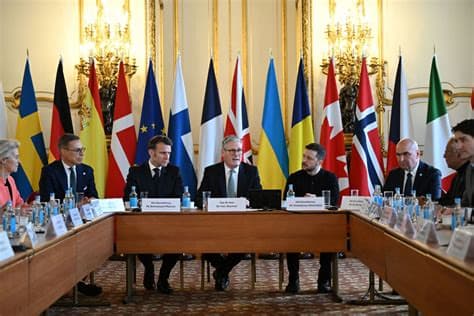
The situation also exposes potential fractures in the collective response to the Ukraine crisis, as European countries grapple with their own military capacities and readiness. While many nations have pledged support, the effectiveness of these efforts largely hinges on the U.S. stance. Countries like Germany and France have been vocal about the need for a unified approach, but the reliance on U.S. resources complicates their strategic planning.
To address these concerns, some European leaders are exploring avenues to increase their own military production and enhance coordination with allies to ensure a steady supply of arms to Ukraine, independent of U.S. fluctuations. This shift reflects a growing recognition that European nations must bolster their defense capabilities to support Ukraine effectively. Initiatives to ramp up domestic arms production and establish collaborative defense agreements are being discussed at various levels of government.
As the conflict evolves, the partnership between the U.S. and its European allies will be pivotal in shaping the future landscape of Ukrainian defense and the broader implications for European security. The ongoing dialogue among European leaders underscores the urgency of maintaining unity in global support against Russian aggression while addressing internal uncertainties. The outcome of these discussions will likely influence the trajectory of military aid and the overall stability of the region in the months to come.
Published by Banx Network. This article is part of the Banx decentralized media programme, powered by the BXE token on the XRP Ledger.



