

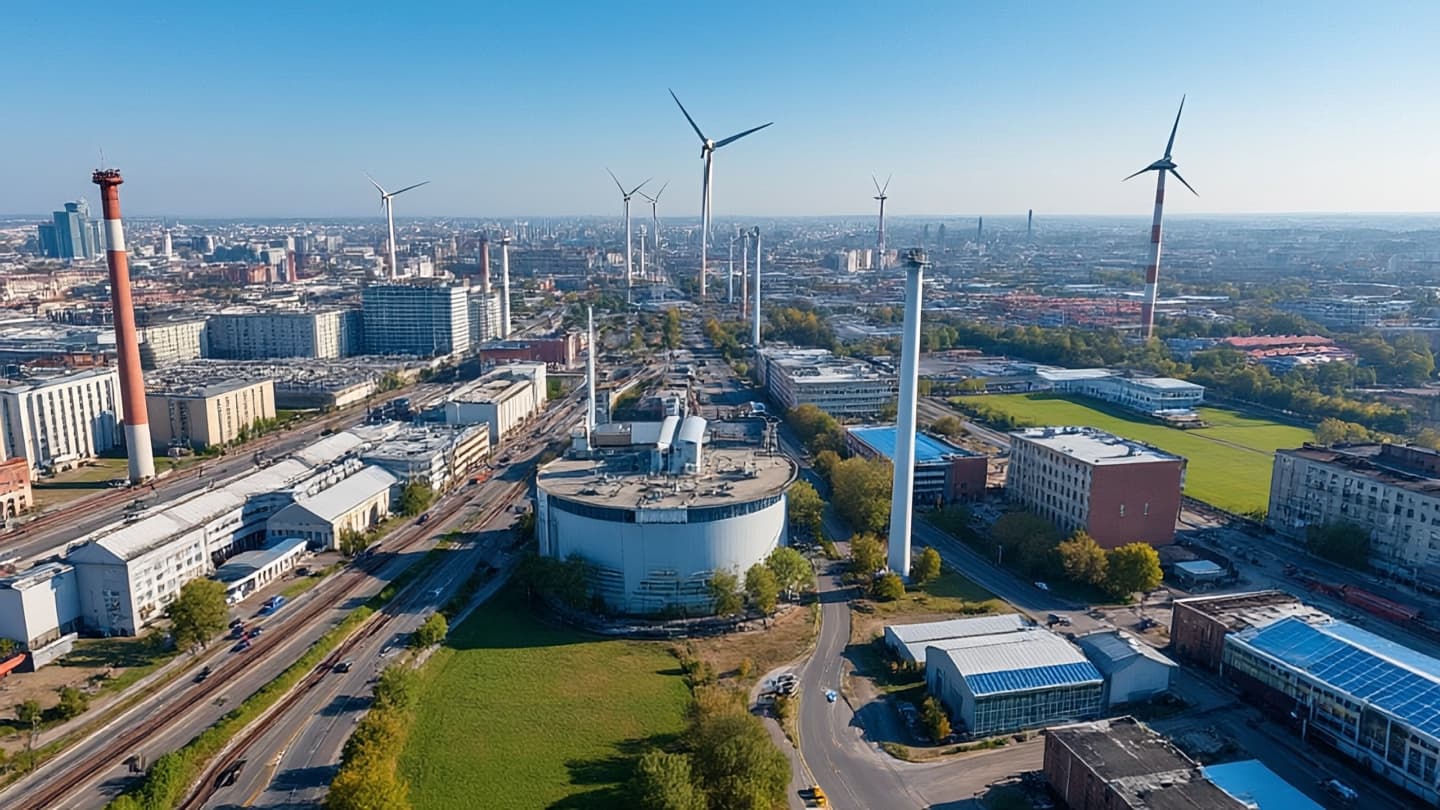
Key Highlights
- Energy Transition:European industries are adapting to new energy realities.
- Investment in Innovation:Companies are increasing investments in cleaner technologies.
- Policy Challenges:Balancing climate goals with economic stability remains a key focus.
Across Europe, the sound of industry has long represented the rhythm of economic progress, innovation, and regional development. Today, that rhythm is changing as the continent faces a new set of challenges involving energy costs, industrial competitiveness, and the transition toward cleaner technologies. This transformation reflects a broader global shift as economies search for more sustainable and resilient systems.
European industries have experienced significant pressure from changing energy conditions and evolving global competition. Manufacturing sectors, including automotive, chemicals, and heavy industries, are adapting to new realities while seeking ways to maintain their strength in international markets. The need for a reliable energy supply has become paramount, prompting governments and businesses to explore diverse energy sources and invest in renewable technologies.
Energy remains one of the most important factors influencing Europe’s economic direction. Governments and businesses are working to secure reliable energy supplies while also accelerating investments in renewable sources. This transition represents both a challenge and an opportunity for technological development. Many European companies are increasing investments in innovation, automation, and cleaner production methods. These efforts aim to improve efficiency while reducing environmental impact. For many industries, modernization has become essential to remain competitive in a rapidly changing global economy.
However, the transition is not without difficulties. Businesses must manage rising costs, regulatory changes, and the need for significant investment. Smaller companies, in particular, often face greater challenges as they attempt to adopt new technologies. The financial burden of transitioning to greener practices can be overwhelming, leading to calls for more supportive policies from governments.
European policymakers continue to focus on balancing climate goals with economic stability. The challenge is finding a path that supports environmental progress while protecting jobs and maintaining industrial capacity across the region. Analysts note that Europe’s future competitiveness will depend on its ability to combine innovation with practical economic strategies. Investments in technology, infrastructure, and workforce skills are expected to play a central role in shaping the next generation of European industry.
As Europe moves through this period of transformation, its industrial future will be defined by adaptation and cooperation. The continent’s response to energy and economic challenges may influence not only its own future but also the direction of global industrial development. The ongoing dialogue between industry leaders and policymakers will be crucial in navigating these complex issues and ensuring a sustainable future for European manufacturing.
Published by Banx Network. This article is part of the Banx decentralized media programme, powered by the BXE token on the XRP Ledger.




